


BY RUCHIRA GHOSH
In Hinduism, Lord Krishna is a popular and beloved deity known for his blue skin and amiable nature, resonating deeply with his followers through legend, mythology, and folklore.
Recently, I was invited to watchThe Blue God in Varied Manifestations, presented by the Nirvana Art Foundation, a Delhi-based hub of performing arts. It is not merely a celebration of Krishna; rather, it honours the myriad human emotions—particularly those experienced by women—such as motherhood, envy, devotion, companionship, and surrender, all directed at the deity in question. These emotions, in turn, enrich the entire spectrum of mythology and scriptures associated with the “Blue God.”
Let me emphasise that this is not a conventional depiction of the vast, action-packed, and monumental life of Lord Sri Krishna. Instead, this production explores the lives of surreal characters irrevocably changed by the deity and their interactions with him, rather than following a chronological narrative. Here, Krishna embodies much more than just a god; he appears as a child, fulfilling a woman’s longing for motherhood, animating the inanimate, and emerging as a saviour who restores fractured dignity and avenges wounded pride. Ultimately, he becomes the final conduit through which souls can transcend the earthly (read mortal) realm.
For those unfamiliar with the subject, the so-called blue hue is not blue in the literal sense; it is actually more of a blackish-blue. This difference is reflected in his original Sanskrit name, Krishna, which means “jet black.” However, due to the influence of common people and local dialects, the name evolved into various forms such as Kisna, Kanha, Kanu, and Kala. Many doting mothers, who often had a natural preference for their male children—especially those who were uneducated during that era—adopted simpler variations of names that were easier to pronounce and remember. Over time, this led to the deity being perceived as the boy next door, a beloved figure among the neighbourhood “aunties,” as people might say today.


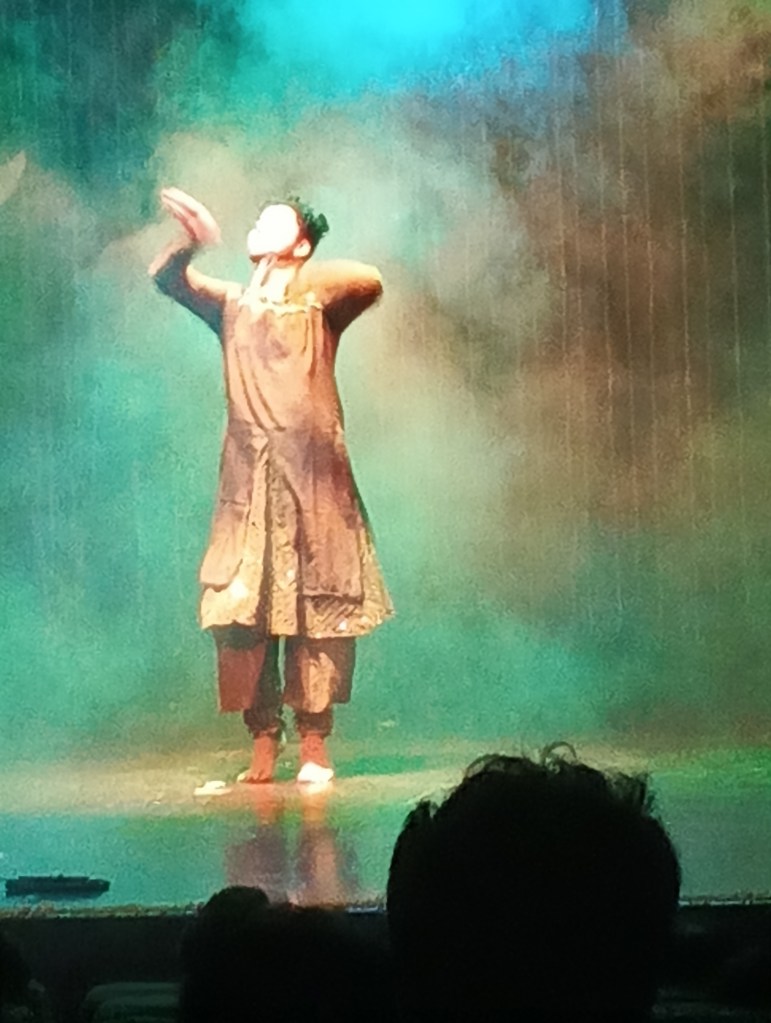

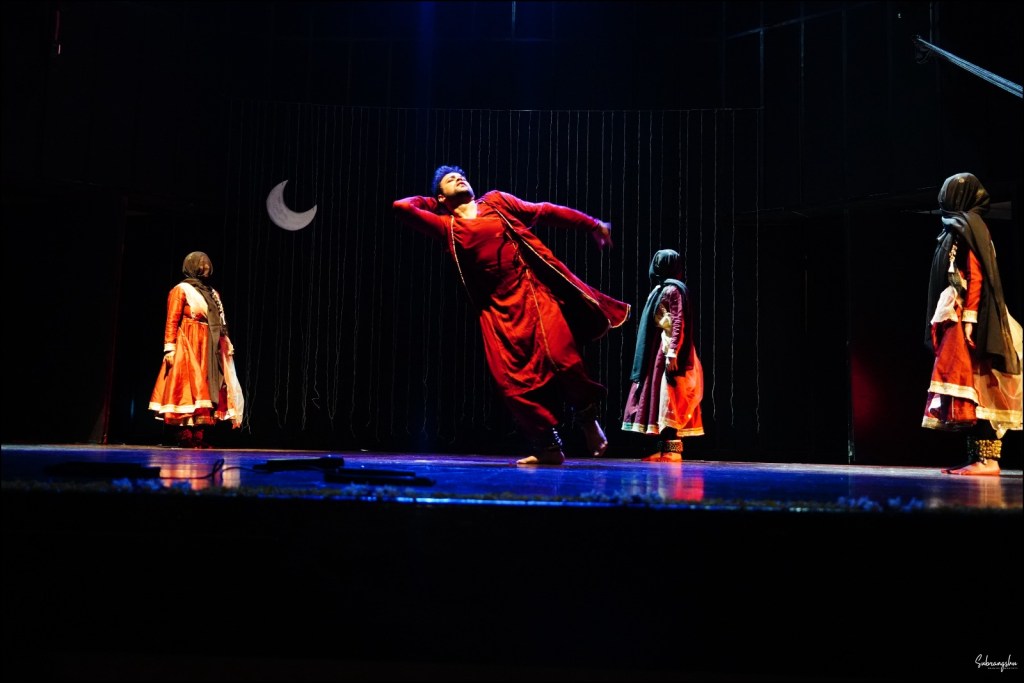
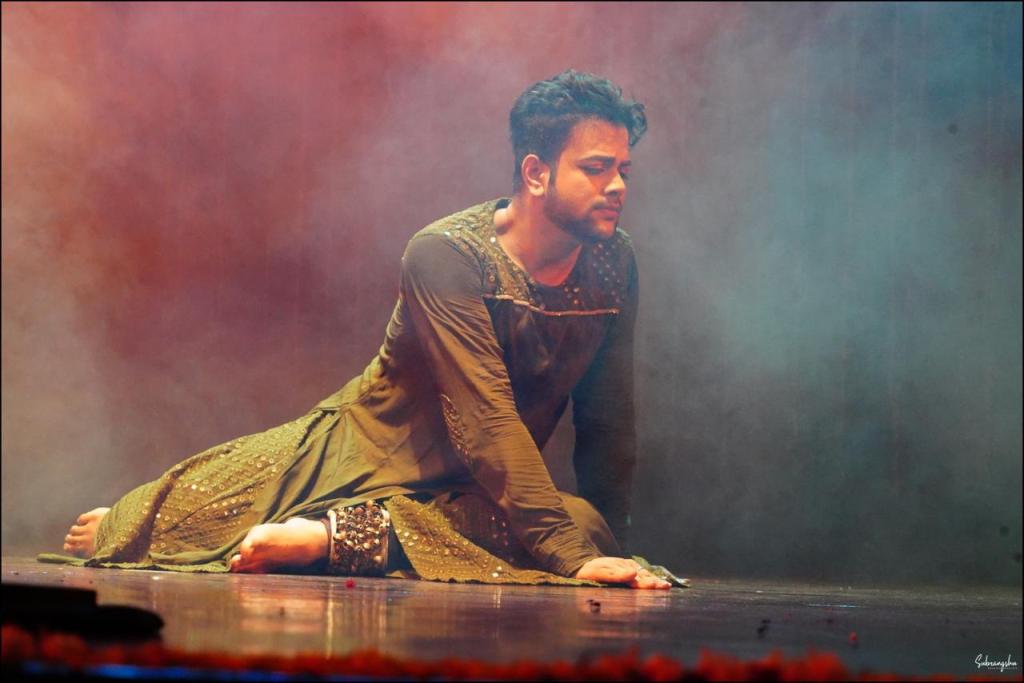
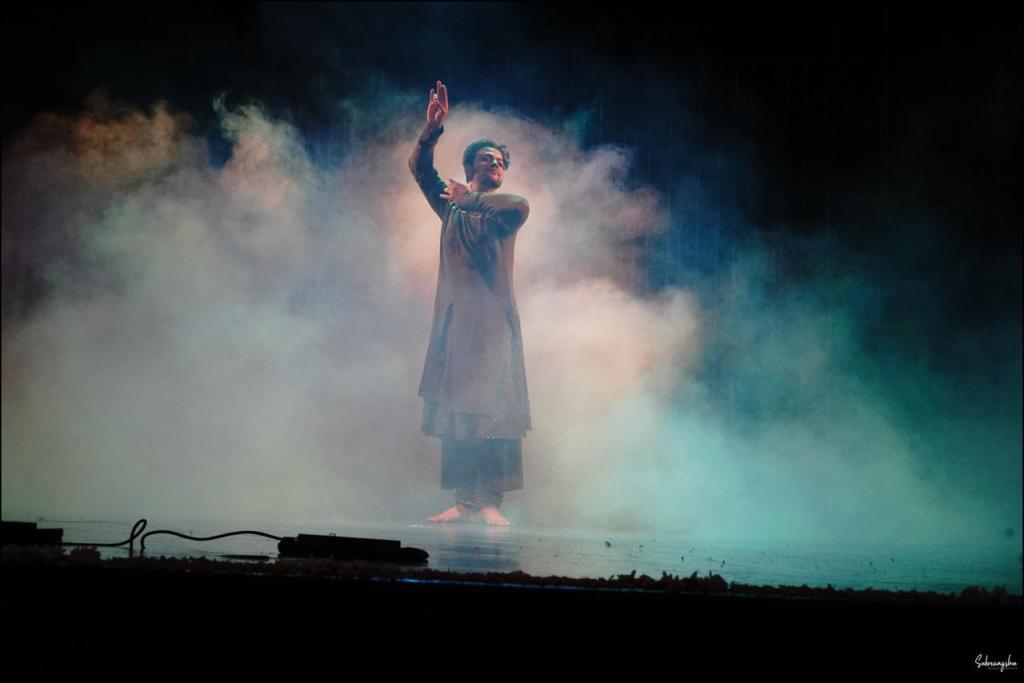
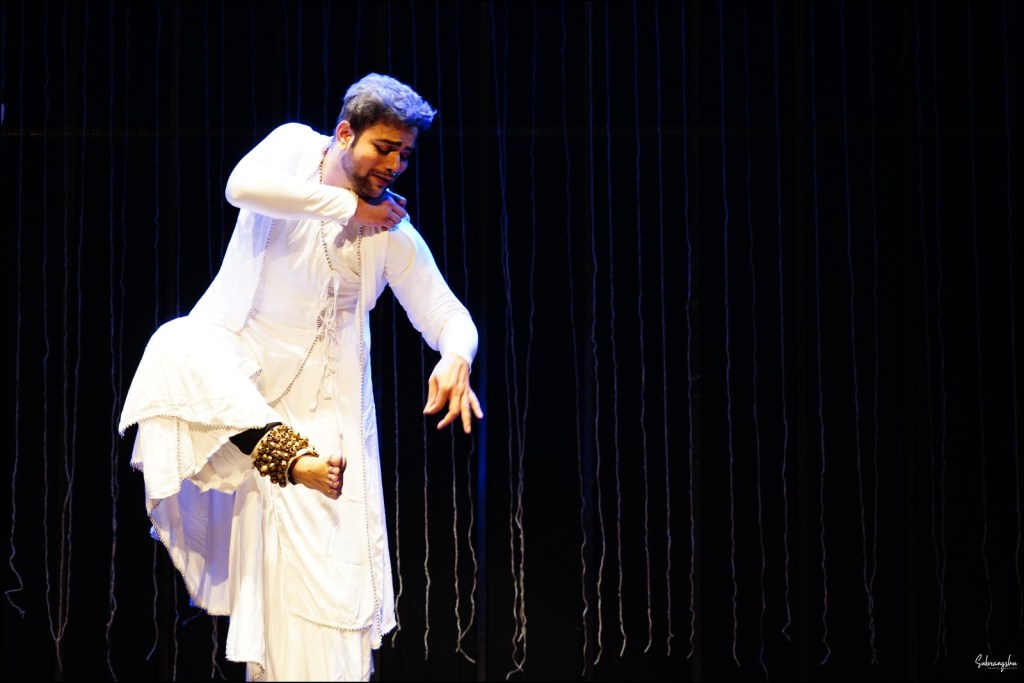
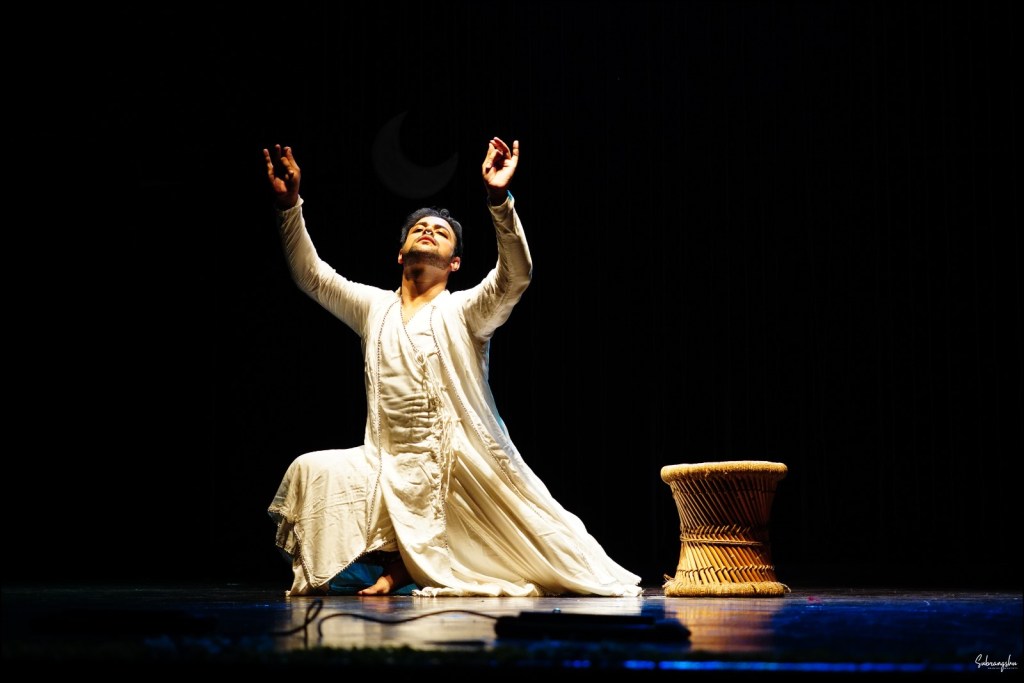
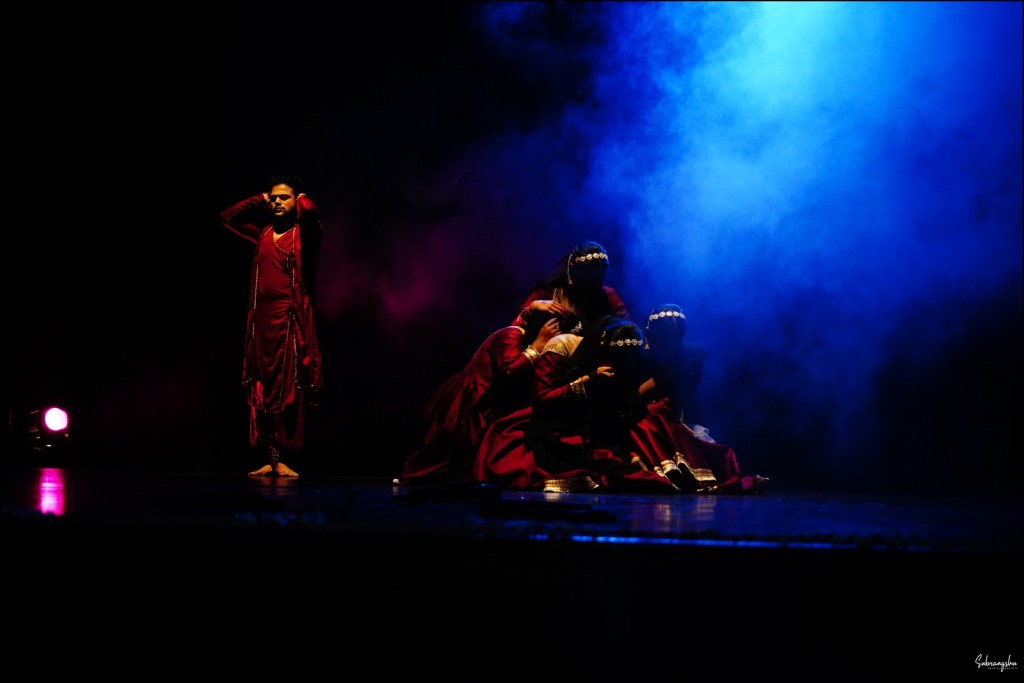
For this presentation, the artists made ample use of the “Katha Natya” tradition, wherein the context and essence of each piece are shared with the audience before it is performed.
The first segment of the dance-drama focused on Putana, a rakshasi (ogre, demoness), possibly the most notorious vamp in mythology and legends. Rakshasas and rakshasis were not merely grotesque embodiments of evil; they were powerful beings often entrusted with missions that required force, vigilance, and protection. Putana might have been associated with fertility and child protection; however, in later literature, she is powerfully depicted as a child-killer.
In this interpretation, Putana, a rakshasi serving Kansa—Krishna’s tyrannical maternal uncle—is given a cruel task: to eliminate the child before his destiny can unfold. Vacillating between obedience and hesitation, Putana journeys toward Vrindavan. Yet somewhere along the way, she begins to waver. As she walks through the serene landscapes, she is bemused by the beauty and names itAmbari Nagari—a land as pure as heaven and as splendid as celestial kingdoms. Before she ever spots Krishna, Putana has already encountered a pristine world untouched by cruelty.
The next segment is titledDeva Vrata: Bansuri. According to the Padma Purana, Devavrata is a devout Brahmin and an ardent devotee of Vishnu, possessing knowledge and devotion but lacking humility. It is believed that on one occasion, he incurred Lord Vishnu’s wrath and was condemned to be born as a bamboo stem in the groves of Vrindavan, there to await liberation.
Sri Krishna’s flute has myriad names—Venu, Murali, Vamshika, Sammohini, Mahananda—each portraying a distinct quality, mood, and manifestation of its enchantment. Yet, beyond all names, what makes the flute extraordinary is not merely its sound. It signifies that to receive divine wisdom, one must be hollowed of ego, emptied of pride, and rendered open enough for grace to flow through.
The next segment showed how Lord Krishna became the saviour of Draupadi, the wife of the five Pandava brothers. Born from a sacrificial fire, Draupadi was blessed with divine attributes. However, her divinity did not protect her from hardships. She was divided among five husbands in the name of politics, endured suffering for the sake of dharma, and ultimately lost everything when she was gambled away, all while history watched in horror. Undaunted, Draupadi raised her eyes to the heavens to ask a few pertinent questions: What is more violent than the hand that strikes? Or the hundreds who are mute witnesses? What is more cruel than the man who inflicts wounds? When a helpless woman was dragged by her hair, stripped of her dignity before kings and elder relatives, where was dharma, honour, and manhood then?
The last item on the agenda revolved around Radha, the Blue God’s divine consort and alter ego. However, the image is changed now. Radha is perpetually portrayed as beautiful, youthful, sensuous, frivolous, and often enigmatic; here, she is depicted as weak, feeble, aged, and weary of life. No verve or spark remains within her being.
Radha wanders through the house like a ghost, torn between longing and liberation. The day wanes. Night arrives quietly. With frail hands, she picks up the lamp. She gazes beyond her window—and suddenly, lightning tears through the sky, shattering the silence of her loneliness. Then, through the sound of rain, the trembling sky, and the hushed whisper of the night, a sound reaches her ears. A melody. Is it the Yamuna calling out in madness—or is it the flute? With trembling feet and failing breath, Radha rushes toward the banks of the Yamuna…
Apart from the prominent lead dancer, Sudip Chakrabarty, the bevy of youthful and vibrant female dancers deserves kudos. As usual, the taciturn, low-profile vocalist and music coordinator, Jaydeep Sinha, did a highly commendable job.

