

BY RITA PANANI
Indian literature boasts a vibrant and diverse heritage that spans thousands of years, reflecting the country’s rich cultural, historical, and philosophical tapestry. From ancient texts that laid the groundwork for spirituality and morality to modern narratives that explore contemporary issues, Indian literature captures the evolving identity of its people. This article explores the key milestones in Indian literature, showcasing its transformation and enduring significance.
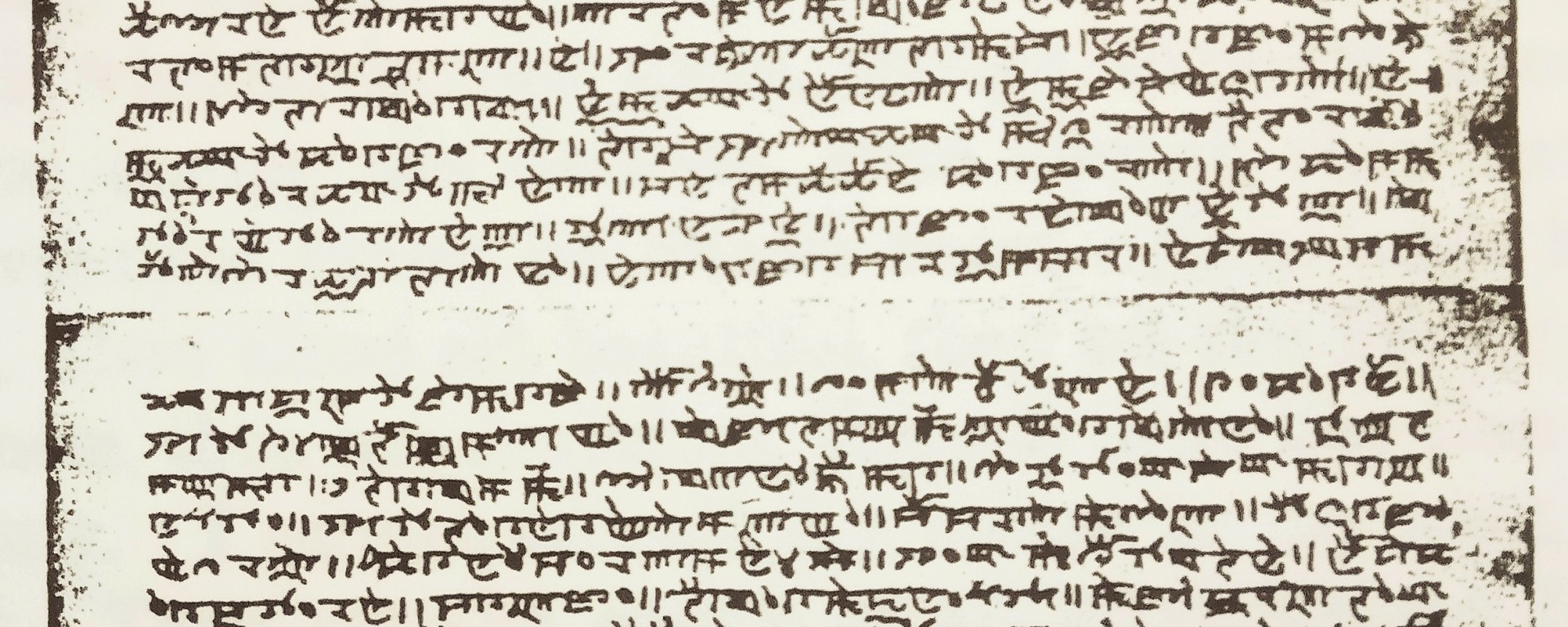
The roots of Indian literature can be traced back to ancient scriptures such as the Vedas, composed around 1500 BCE. These sacred texts form the foundation of Hindu philosophy, encompassing spiritual knowledge, rituals, and guidance for righteous living. Later, the Upanishads, composed between 800 and 400 BCE, shifted focus towards philosophical inquiry and introspection. Their poetic form wielded profound influence, fostering a tradition of philosophical discourse that continues to resonate.
As Indian culture evolved, so too did its literary expressions. The epic narratives of the Ramayana and Mahabharata, written around 500 BCE to 400 CE, are among the most celebrated works in Indian literature. The Ramayana, attributed to Valmiki, recounts the life of Lord Rama and his quest to rescue Sita, showcasing themes of duty, love, and righteousness. Conversely, the Mahabharata, credited to Vyasa, explores complex moral dilemmas and interpersonal conflicts within the framework of a grand epic war. Together, they serve as cultural touchstones, reflecting societal values, ethics, and the human experience.
During the medieval period, regional languages flourished, leading to the emergence of influential poets such as Kabir and Tulsidas. Kabir’s verses transcend religious boundaries, advocating for unity and spirituality through simple yet profound language. Tulsidas’s rendition of the Ramayana into Awadhi not only made the text accessible to broader audiences but also established it as a pivotal work in Hindi literature.
The colonial era marked another turning point in Indian literature. Writers such as Rabindranath Tagore epitomise the fusion of traditional and modern influences. Tagore, the first non-European Nobel laureate in Literature, crafted works that delved into themes of identity, nature, and the human spirit. His collection of poems, Gitanjali, reflects a profound connection to both Indian culture and universal human emotions, making him an enduring figure in Indian literature.
The 20th century witnessed the emergence of novelists like R. K. Narayan and Ismat Chughtai, who began to capture the complexities of Indian society in their works. Narayan’s fictional town of Malgudi, depicted in novels such as “Swami and Friends,” offers a microcosm of Indian life, exploring the nuances of tradition and modernity. Meanwhile, Chughtai’s bold narratives challenged societal norms, highlighting the struggles of women and the quest for identity.
Today, Indian literature is more diverse than ever, encompassing a plethora of genres and voices. Contemporary authors such as Arundhati Roy, Salman Rushdie, and Jhumpa Lahiri continue to engage with both national and global themes, addressing issues such as identity, migration, and social justice. The rise of regional literature and the use of English as a literary medium further enrich the landscape, highlighting the multiplicity of perspectives within Indian society.

