

BY CSM STAFF WRITER
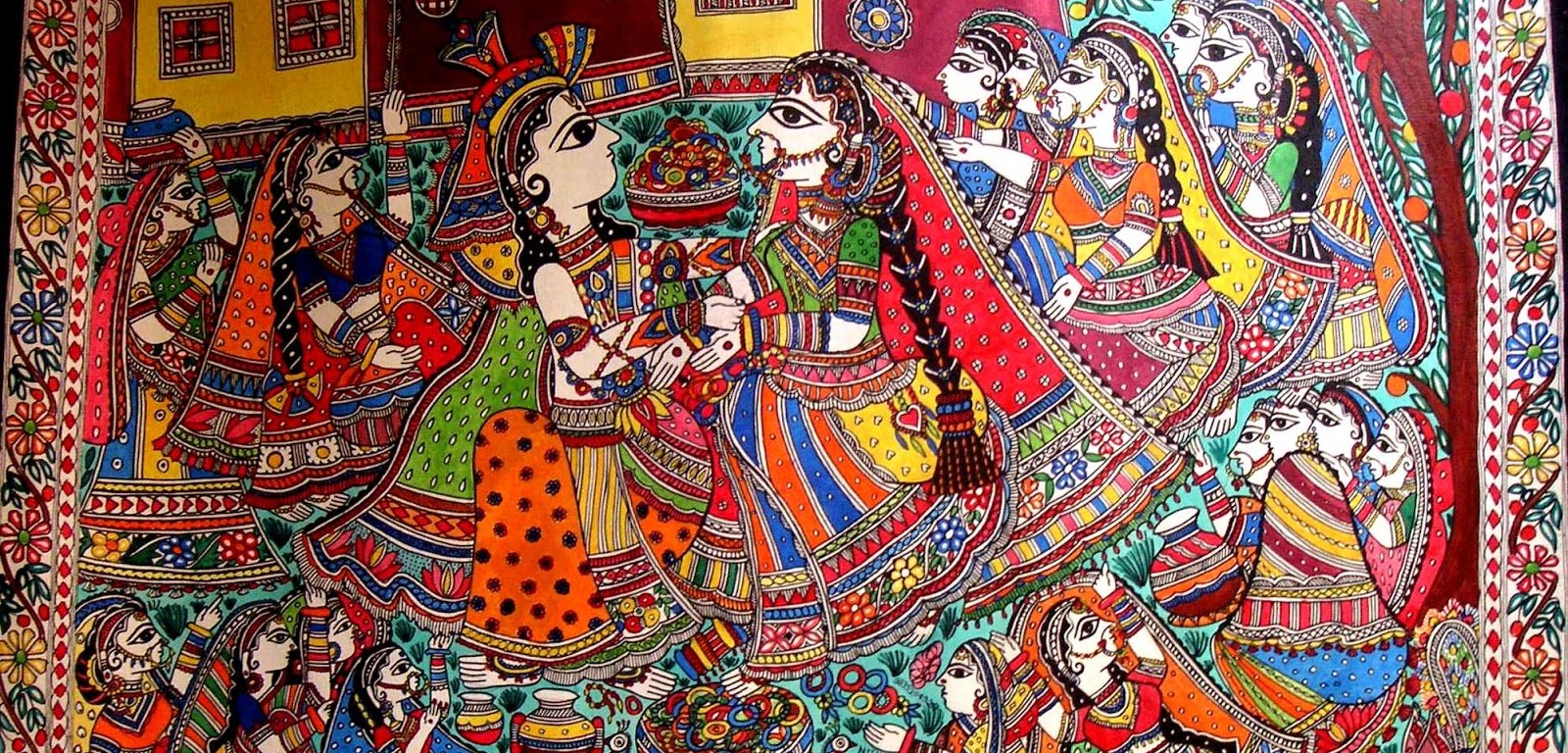
India’s rich tapestry of folk arts is a beautiful reflection of its diverse cultures, histories, and traditions. These art forms, rooted in regional identities and often transmitted through generations, capture the essence of life in various communities across the subcontinent. From intricate textiles to vibrant paintings, from captivating performances to traditional crafts, Indian folk arts are not just aesthetic expressions; they embody stories, rituals, and the very soul of the people who create them.
Folk art in India is distinguished by its locality and community involvement. Every region boasts its own unique style, often characterized by traditional techniques, themes relevant to local culture, and uses materials that are indigenous to the area. For instance, the Warli paintings of Maharashtra, created by the indigenous Warli tribe, utilize simple geometric shapes to depict daily life, nature, and agricultural activities. These murals offer insights into the spiritual and social beliefs of the Warli people while preserving their cultural heritage through art.
Similarly, the Pattachitra paintings from Odisha, characterized by intricate details and storytelling through vibrant imagery, reflect the narratives of Hindu mythology and folk tales. The use of natural colors derived from minerals and herbs highlights the connection between the artists and their environment, showcasing the sustainable practices long embedded in traditional arts. These art forms are typically painted on cloth or dried palm leaves, and the stories conveyed through them are perpetuated in local festivals and community gatherings.
The folk-dance forms of India, such as Garba from Gujarat, Bhangra from Punjab, and Kathakali from Kerala, are equally vibrant representations of culture and tradition. These dances are not merely performances; they often accompany religious ceremonies, harvest festivals, and community celebrations, serving as expressions of joy, fertility, and gratitude. The costumes, music, and choreography reflect the unique cultural essence of each region, and the dances foster a sense of community and belonging among participants and spectators alike.
In addition to visually rich forms of art, Indian folk arts include a variety of craft traditions that have stood the test of time. Handwoven textiles are a prime example; from Banarasi silk to Kanchipuram sarees, each weaving technique tells the story of its region and its artisans. The intricacies involved in handloom practices not only provide economic sustenance to countless weavers but also preserve traditional skills that might otherwise fade away in an age dominated by fast fashion and industrial production.
However, despite their cultural significance, Indian folk arts face modern challenges. Increasing urbanization, globalization, and the rise of mechanized production have threatened the survival of these art forms. Many traditional artisans struggle to compete with cheaper, mass-produced goods, leading to dwindling livelihoods and an erosion of cultural identity. As younger generations move to cities for better economic prospects, the transmission of skills and knowledge in these art forms is at risk.
Fortunately, a renewed interest in artisan crafts and local handicrafts has begun to emerge. Efforts to promote and sustain folk arts are being made by various NGOs, government programs, and even private enterprises. Initiatives like the “Bharat Rural Livelihoods Project” and “Khadi and Village Industries Commission” are designed to empower artisans by providing them access to markets, training, and resources to enhance their craft while ensuring fair wages for their labor.
Moreover, contemporary artists are drawing inspiration from traditional folk arts, weaving them into modern themes and mediums. This fusion not only breathes new life into ancient practices but also helps engage younger audiences, making folk art relevant in today’s context. By integrating folk techniques with contemporary art forms, these artists have the potential to create a renewed appreciation for Indian art and culture, encouraging new generations to connect with their heritage.
The journey of Indian folk arts is ongoing, and it reflects the resilience and creativity of its people. Celebrating these art forms is essential not just to preserve traditions but to foster a deep understanding of the diverse cultures that comprise India. As we engage with and support folk artists, we participate in a shared journey of preserving and revitalizing the cultural legacy that defines our nation. The enchantment of Indian folk arts continues to inspire and resonate, revealing the timeless beauty and storytelling power they hold within the collective consciousness of the country.
 COUNTRY SQUIRE INDIA