

BY RUCHIRA GHOSH
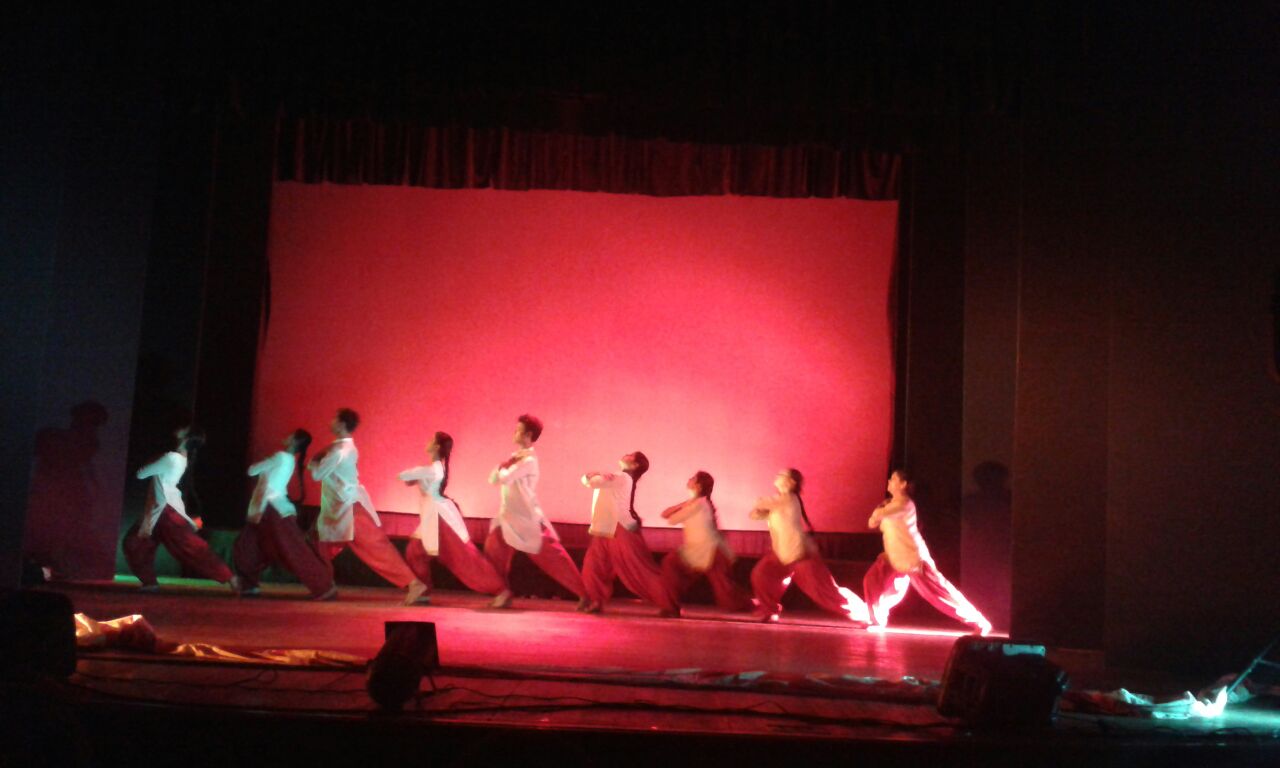
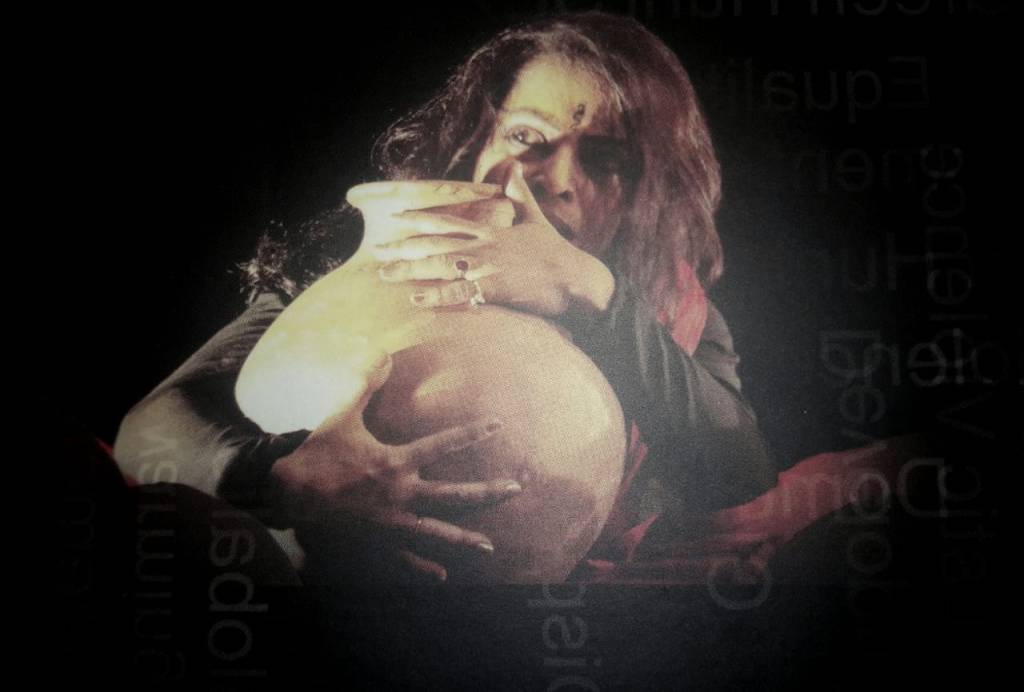
I first encountered danseuse Ambali Praharaj last year (2024) in “Echoes of Narcissus,” a production by Delhi’s Nirvana Dance Academy. Based on the Greek legend, the performance featured Ambali as Liriope, mother of the beautiful protagonist. Her lithe, graceful movements and expressive portrayal of love, anxiety, and suffering were captivating. Later, over coffee on a chilly November morning, she spoke passionately about dance, choreography, theatre, and her dreams.
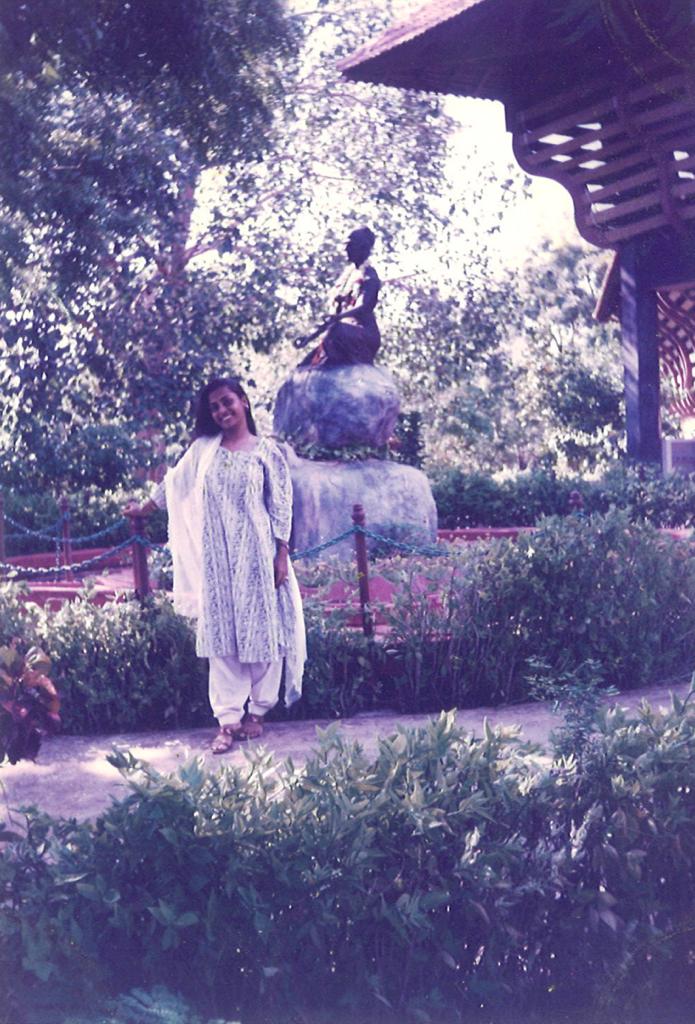
Life has been a roller coaster for Ambali, yet she has overcome every obstacle. Born in Midnapore, West Bengal, she grew up in a culturally vibrant family of singers, artists, elocutionists, and instrumentalists. Her mother, a singer, first noticed her talent. “Whenever Maa sang, I would spontaneously dance,” Ambali recalls. “She saw my steps were perfectly in sync.” From then on, dance became her path.



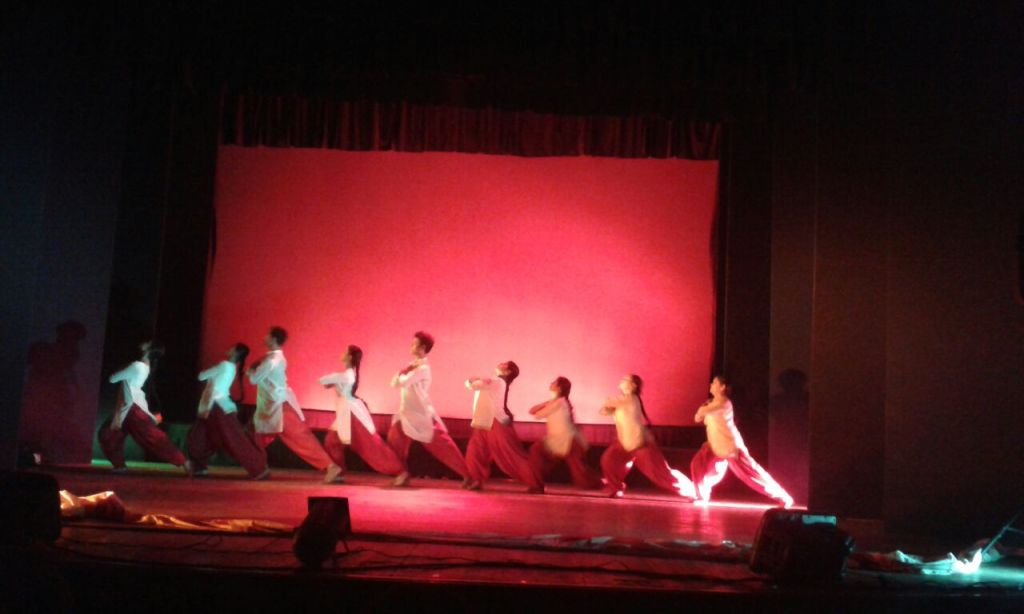


That path, however, was not easy. As a child, Ambali was diagnosed with rickets, and doctors said she might never walk—let alone dance. “But my mother’s determination changed everything,” she reveals. “Through constant care, medication, exercise, physiotherapy, and diet, she helped me regain a normal life. I am eternally grateful.”
Initially trained at a local dance school, Ambali later sought more advanced training. After high school, she enrolled at Rabindra Bharati University in Kolkata, enduring a daily six-hour commute by train. She studied Bharatanatyam under Guru Khagendra Nath Barman, but often missed morning Adavu classes due to the distance. To compensate, her father began driving her by motorcycle to Kharagpur to catch an earlier train. She also took private weekend lessons at her Guru’s Bhabanipur residence. Eventually, her family relocated to Kolkata, easing her journey. She graduated with first-class honours, held her Arangetram, and then began her Master’s.
A major breakthrough came when Lady Ranu Mukherjee—close associate of Tagore and head of Kolkata’s Academy of Fine Arts—noticed Ambali’s talent. Alongside scholar Dr. Pabitra Sarkar, she secured Ambali a full scholarship to study classical dance at Kalakshetra in Chennai, the renowned institute founded by Rukmini Devi Arundale. “It was a dream come true,” says Ambali. “My time there was deeply fulfilling.”
Back in Kolkata, Ambali worked to establish herself. Not limited to classical forms, she also trained in Japanese ‘NOH’ dance-drama, which she integrated into her work. Her strength lies in innovative blends of dance, drama, and choreography, with themes ranging from Krishna Leela to mythology and the epics.
In 1992, she received the Dishari Award from the Bengal Film Journalists’ Association and a Ministry of Culture fellowship for research in classical dance. A career milestone came in 2012, during Tagore’s 150th birth anniversary, with her magnum opus Ranu O Bhanu—a dance-drama adaptation of Sunil Gangopadhyay’s novel, exploring the complex relationship between the bard and Lady Ranu. The work received thunderous applause. “Sunil Babu was present and deeply pleased. I was overwhelmed by his appreciation,” Ambali shares.
Soon after, seeking a more vibrant cultural environment, she moved to Mumbai. Her performances were warmly received, and she collaborated with noted artists. “Mumbai was a memorable phase,” she reminisces.
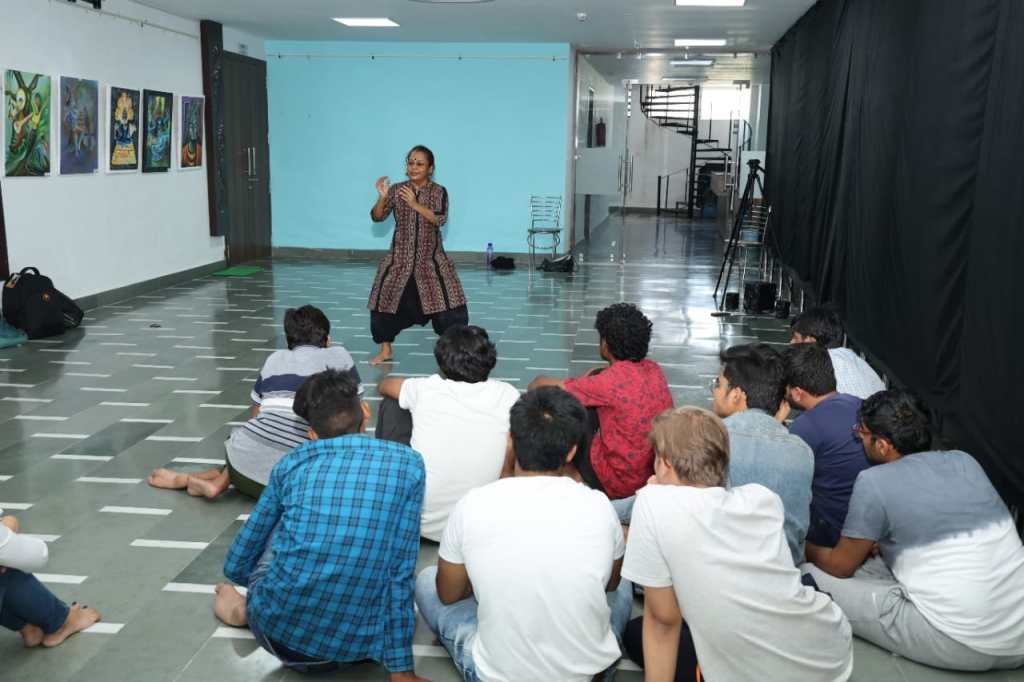
During the COVID-19 pandemic, Ambali accepted an invitation to head the dance department at a deemed university in Bareilly, Uttar Pradesh. “The town is growing culturally—there’s great eagerness to join the mainstream,” she says. After three fulfilling years of teaching and performing, she returned to Kolkata but felt restless to expand her horizons. She then accepted the Delhi project mentioned earlier. Three months into it, she grew so fond of the city that she decided to stay. “I’ve been here nearly two years now,” she says. “I love every inch of it—my work, teaching, practising, and more.”
When asked what dance has given her, she replies without hesitation: “Spirituality, peace of mind, and serenity. My training taught me to remain calm even in difficult circumstances, to overcome obstacles and keep moving forward.”
On a final, cheerful note: Ambali has now started her own dance classes—both online and offline—in a premium locality of Delhi, where aspiring dancers can give shape to their dreams. Good going!
 COUNTRY SQUIRE INDIA