

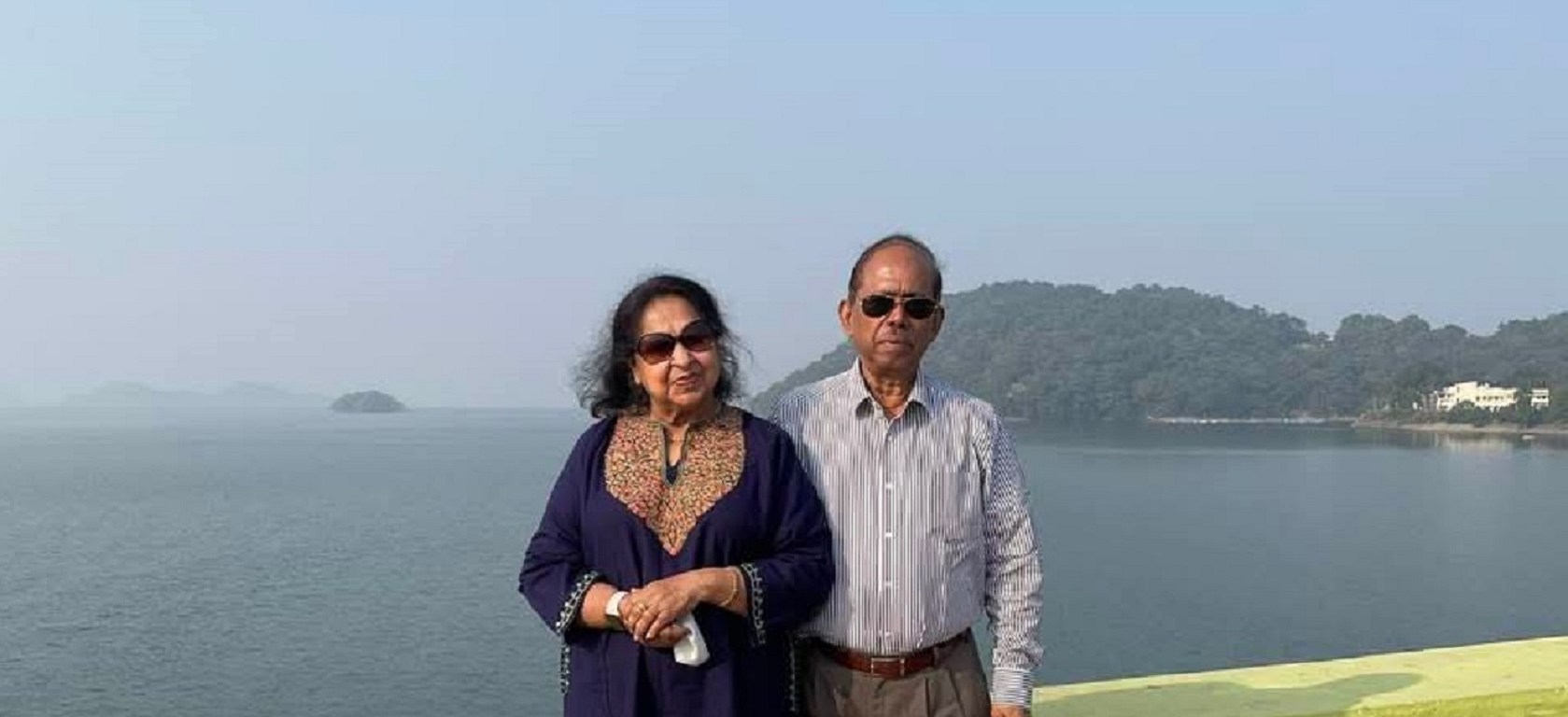
BY RUCHIRA GHOSH
Fifty-four years ago, he left the shores of his native land with just a few dollars in his pocket and dreams in his eyes, traveling to a new country in search of success and a better life. He had jumped midstream into what became popularly known as the Brain Drain syndrome.
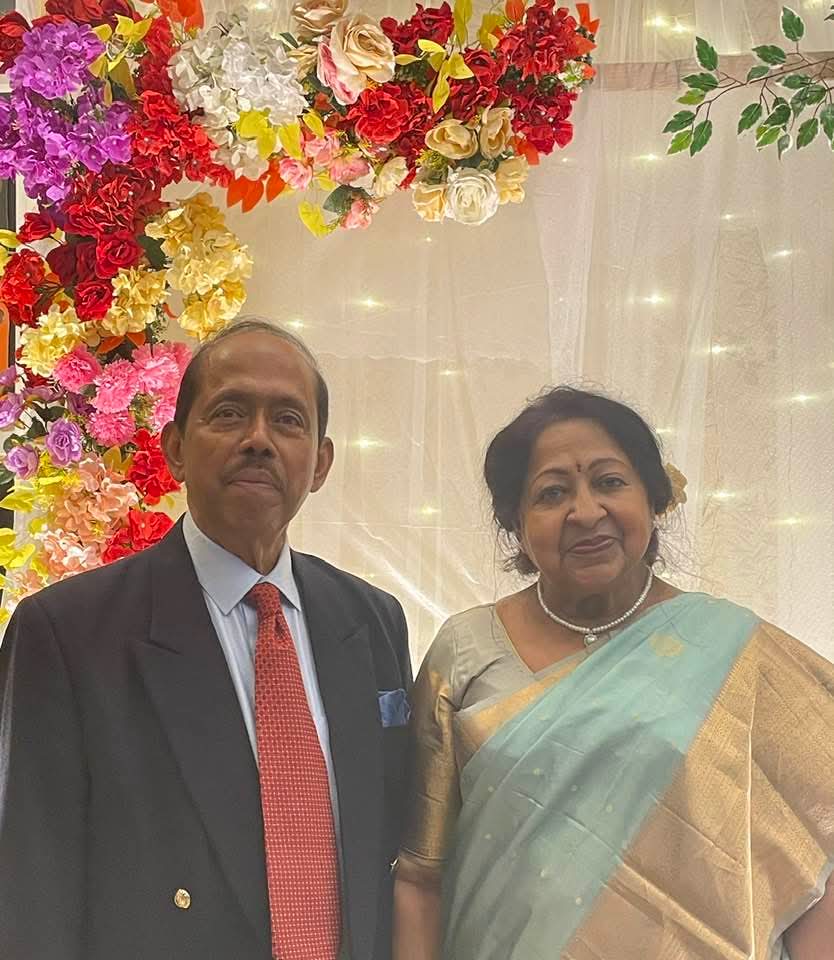
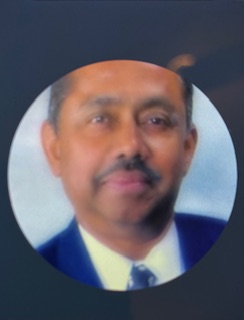
Today, decades later, he cannot stop smiling as he reflects on his achievements and blessings. The gentleman in question, Parimal C. Bose, is a true Hindustani (aka Bharatiya) at heart, and his spirit still beats for India. This American desi—as migrants are commonly called—undertakes several social and philanthropic projects in some remote and underdeveloped areas of India. Read on to find out more.
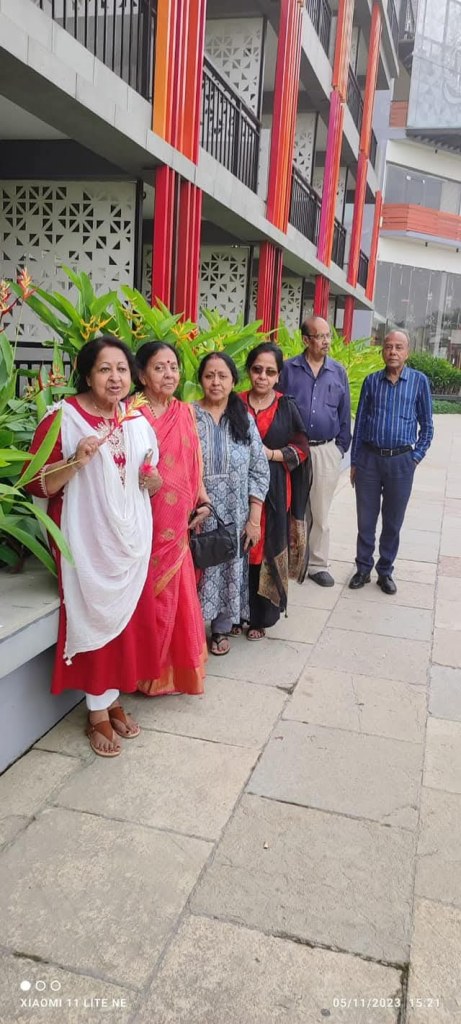
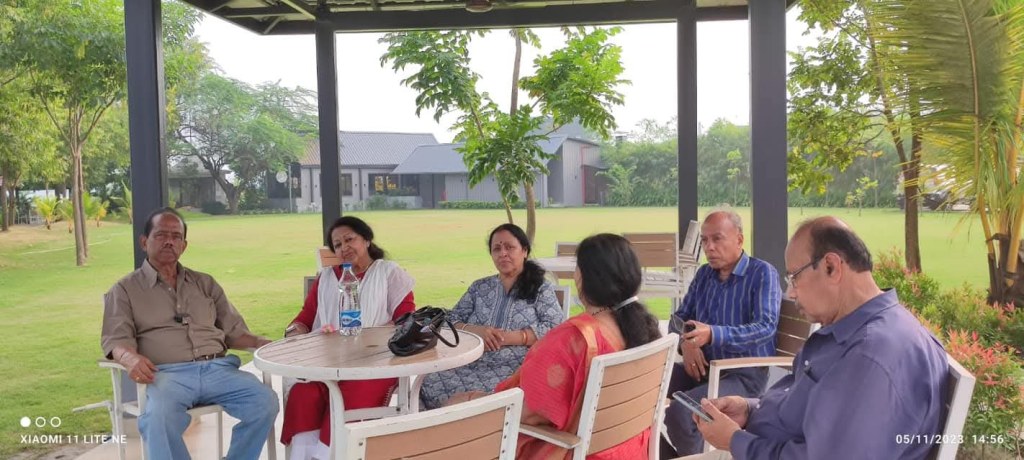
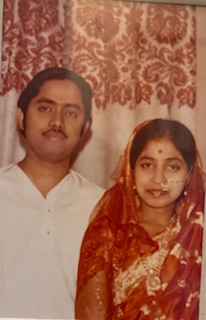
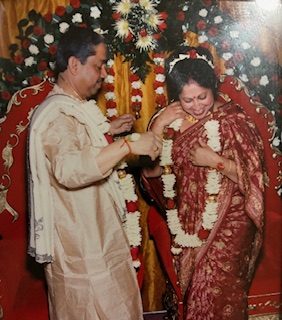
Please describe your early years, family life, etc.
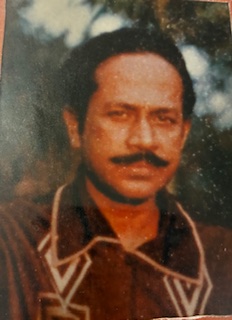
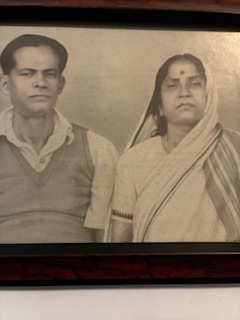
My father, hailing from Faridpur (now Bangladesh), migrated to Jamshedpur (Jharkhand) in 1919 at the behest of one of the founders of Tata Iron and Steel Co (TISCO). He was the sole breadwinner for our family of eleven. There was a story about his level-headedness: one day, a furnace in the Coke Ovens department caught fire. He crawled underneath to turn off the gas valve, thus saving hundreds of lives. He loved hunting and fishing, and I used to accompany him on such trips.
We were obviously not well-off, but our parents instilled in us a sense of discipline, honesty, and fraternal solidarity. I have five brothers and three sisters. My sisters are moderately educated and happily settled in their lives. My oldest sibling, Dr. Amal Bose, a physician, shouldered the burden of looking after the family. He sponsored my college education, without which I would be nowhere today. Two other brothers eventually moved to the U.S. and settled into suitable jobs. Three brothers decided to stay in India. So you see (laughs), I have part of my family halfway across the world!
My mother was my goddess, the Pole Star of my life. She efficiently managed our extremely limited resources and taught us to live simply and maintain cleanliness. By a quirk of fate, she departed this world shortly after I left for America. I never saw her again. My life had changed forever.
How about your college and university days?
After graduating from high school in Jamshedpur, I decided to pursue college in Kolkata. I wanted to attend the college run by the Ramakrishna Mission at Belur Math. Despite passing the admission test, I couldn’t get in because they required a substantial donation, which we didn’t have. Thankfully, Presidency College accepted me with open arms.
Alongside my studies, I took up a part-time teaching position at a nearby high school. Additionally, I received a Ford Foundation scholarship, which provided me with the financial independence to complete my Master’s in Economics and Political Science.
Soon after, I received my first job offer at the Bank of India in Guwahati, thanks to a well-wishing gentleman who recommended I move to the Patna branch after a year. Although I started in a junior position and worked a 9-to-5 job, I felt unsatisfied and always dreamt of going abroad.
How did the exit plan come about?
After earning my Bachelor’s degree, a few of my classmates migrated to the UK and West Germany. When I expressed my desire to do the same, my mother said we lacked the resources to support me. Restless, I joined an evening job in the accounts department of a bus-body manufacturing company. A couple of years passed, during which I became acquainted with the owners of a travel agency located on the same floor.
One day, as I was heading home, one of them casually asked, “Parimal, would you like to migrate to the USA?” I replied, “Yes, of course, but how?” I visited them the following evening, and they explained, “You need to apply with the U.S. State Department in Washington, D.C.” It was the year 1970, and the U.S. was inviting doctors, engineers, accountants, and other professionals for immigration from India and other countries.
Approximately a month later, I received approval from the U.S. State Department. The news was overwhelming; it had happened so fast. Hundreds of questions flooded my mind: Did I have enough savings to support the trip? What if I didn’t like the job I would get? Could I return to India to reclaim my old job? Where in the U.S. would I go? What about my expenses? At that time, the Reserve Bank of India (RBI) permitted only $10 of foreign exchange for travel, which wouldn’t be enough. I applied to the RBI for $400, and a senior officer became my guarantor for the repatriation of that amount. Additionally, another travel service loaned me the air ticket to New York. Finally, on a Saturday afternoon in mid-February, I stepped off the plane at JFK Airport in New York.
Describe your first few days in the New World.
I had never before traveled to such a cold place. I purchased an overcoat and a hat from Beirut—“intelligent shopping,” I thought. With a big envelope containing my chest X-ray in hand, I approached a kind gentleman at the immigration counter and received a small “green card.” A colleague from Patna had asked his relative to pick me up from the airport, but he didn’t show up. I had information about a YMCA on 33rd Street in Manhattan, so I took the “A” train to the 33rd Street subway station and checked into the YMCA, where I spent the night.
The next morning, I called and reached 555 West 156th Street, arriving at a large studio apartment with three occupants. I was to be the fourth. “Oh, God, is this how my dream door would open?” I mused. Fortunately, there was a rooftop apartment available, and within a couple of days, two of us moved in. The next few weeks, after receiving my Social Security Card, were spent job hunting.
Migrating to the USA doesn’t put food on your table. I got busy inquiring about prospective employers in New York City. Having worked in the Indian banking industry, I was familiar with several large banks in the USA, such as Bank of America, Chase Manhattan Bank, Irving Trust, and American Express. However, I wasn’t familiar with the big names in the brokerage industry. My Social Security Card arrived approximately two weeks after I applied, and the time to find a job was “now” without any delay. Fortunately, the application centers were not far from each other, all located on Wall Street.
I went to Irving Trust first. Applicants like me were rushed into a large room furnished with neatly placed chairs and desks. There was a long queue of job seekers, and we were asked to answer simple math questions within five minutes. My banking experience in India made me familiar with numbers, so it took me hardly two minutes to complete the scorecard, and I was awarded 100% marks. The lady in charge told me to see the bank official within three days.
I noticed some applicants heading towards American Express Co., so I decided to tag along. The same procedure followed, and I was selected by American Express. I then saw a smaller group of people moving towards the employment center of Merrill Lynch, a company I had never heard of before. Determined that this would be my last attempt, I decided to give it a try, and I was successful in that test too, happily returning home.
The next day, I met Mr. George I. Raskin from Merrill Lynch’s Corporate Tax Department in a large, bright corner office. After listening to my life story in three minutes, Mr. Raskin asked me, “How much do you want to make per week?” I quickly made a calculation and replied, “$110.00 per week.” He smiled and said, “Okay, done. I will pay you $113.00.” A few weeks later, he called me into his office and explained that he knew my educational qualifications and believed I deserved much more.
Every six months, my boss raised my salary. He recommended me for a position in the International Securities Sales Department, which became my dream job. This role allowed me to regularly visit India and other international destinations, ultimately leading to income growth beyond my wildest expectations.
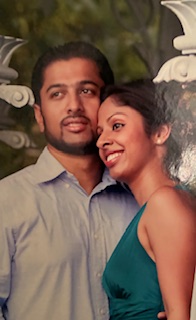
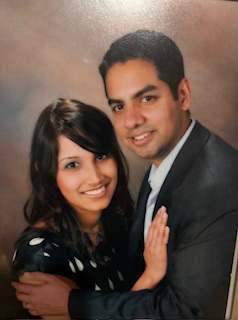
As for family life back then, we got married at the end of 1972. After living in Manhattan for about three years, we welcomed our first child, Shubhro. We decided to move to a small town called Emerson, where we found a modest house that needed improvements. As a young couple with dreams and aspirations but limited financial resources, we took on the renovations ourselves.
We weren’t fond of the kitchen floor and believed it would look great if we covered it with ceramic tiles. I visited The Home Depot, a large home improvement store, to buy the necessary tiles and tile-cutting equipment. After work, once our son was in bed, we started the tiling project.
My wife would wake up early each morning to prepare for Shubhro, drop him off at the babysitter’s, and then we would take a train to our jobs at Merrill Lynch in downtown Manhattan. After getting home around 6:30 PM, we would pick up the baby, give him a shower, cook dinner, feed him, and then put him to bed. By the time we sat down for dinner, it was often past 11:00 PM.
Our early life in America was challenging, but we didn’t give up. Through hard work, our dreams flourished beyond what we could have ever imagined.
Are you associated with charitable and social services?
Yes, we have earmarked a certain amount for charity. The recipients are students of BharatSevashram Sangha in Jamshedpur and Dumka. When COVID-19 hit India, our own family members went through a rough patch. We moved our charity efforts to Jalpaiguri, Siliguri, and Jamshedpur.
That charity spiraled manifold because it also included paying medical bills. I am glad that our financial circumstances allowed us to afford it.
Are you pious and religious-minded?
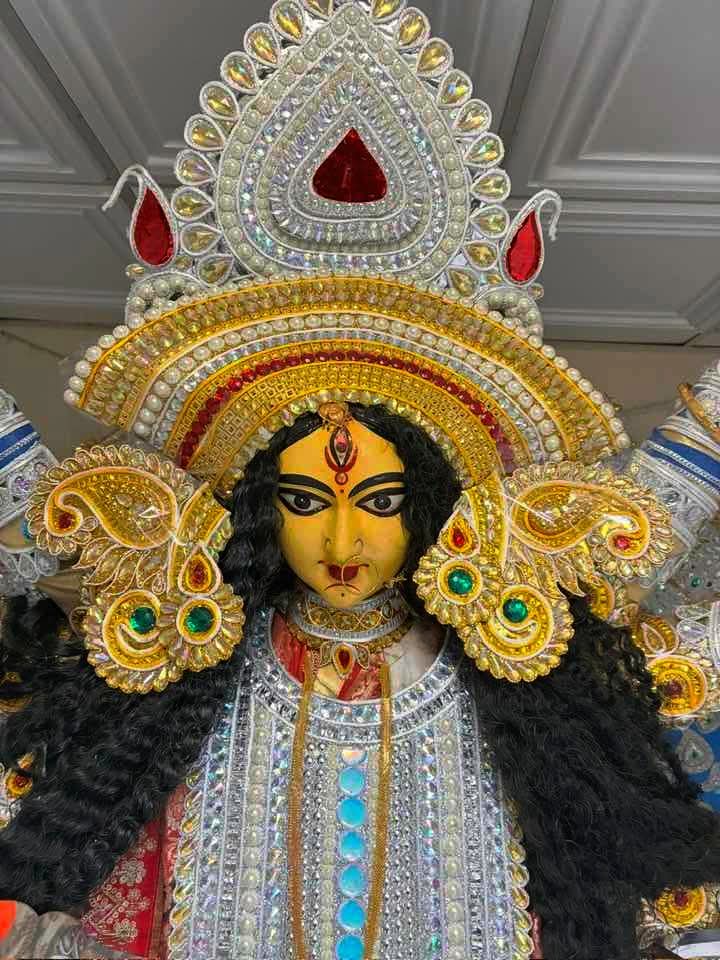
When I was in middle school, I used to visit the potters and clay artisans who created idols of Maa Durga in the Burma Mines locality of Jamshedpur. I had vowed to myself that one day, I would create a similar idol and worship it. I inherited this artistic trait from my mother, I suppose (laughs).
With the active support of my wife and other relatives, especially my elder brother Kamal, we began “Matri-Bandana” (ritual worship) at home in 1983. I obtained the clay for the idol from Kolkata, with additional clay sourced locally. It was clear that my initial attempts were clumsy, as I was a novice. However, “practice makes perfect.” Each year, my handiwork has improved, particularly since my daughter Sharbari, a talented artist herself, lends a helping hand.
You must be a seasoned traveler. Share your experiences.
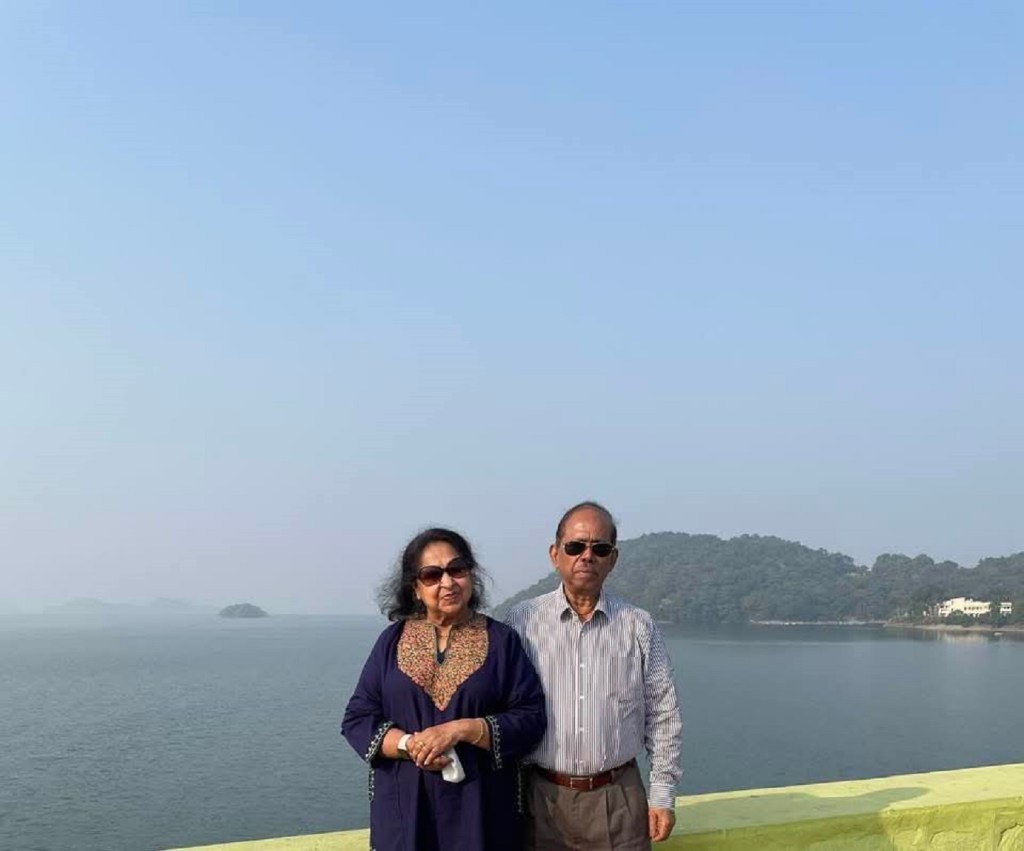
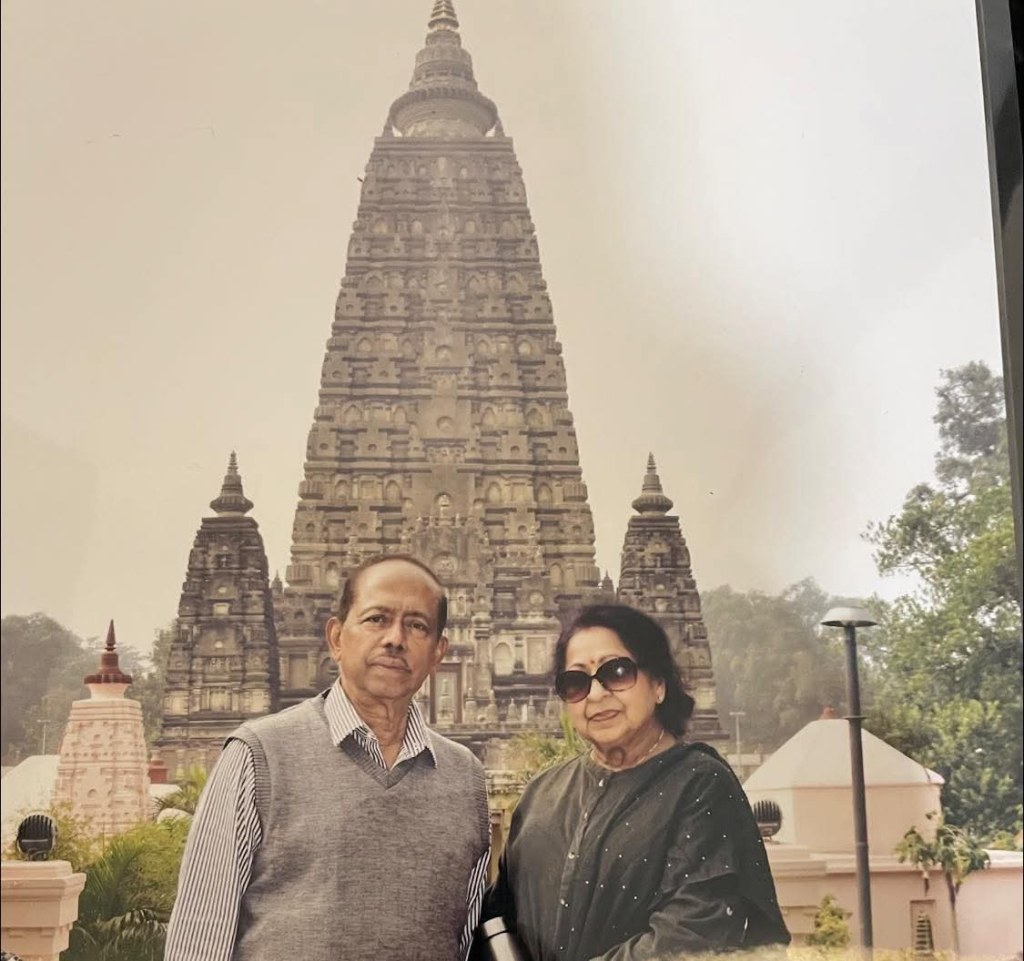
Can you believe we had our honeymoon in Europe? (laughs) It was memorable. Even otherwise, I am fairly well-traveled, which includes Indian destinations as well. For instance, pretty recently we (wife included) covered the Buddhist circuit: Bodhgaya, Rajgir, Nalanda, and Sarnath. We also toured Kashmir extensively and discovered its untamed, pristine beauty. It was mesmerizing.
Any regrets about leaving India?
None whatsoever. What else could I have pursued in life, and where would I have lived? One option was to become a banker in India at a higher rank. However, would my earnings in India have supported the lifestyle we have in the USA? Probably not.
One aspect of family life in the USA is its individualism, where grown children typically have their own households separate from their parents. This can create anxiety for parents, especially as they grow older. I’m not fully aware of the joint family concept in modern India, but I imagine that the effects of individualism must be evident in cities, if not in villages.
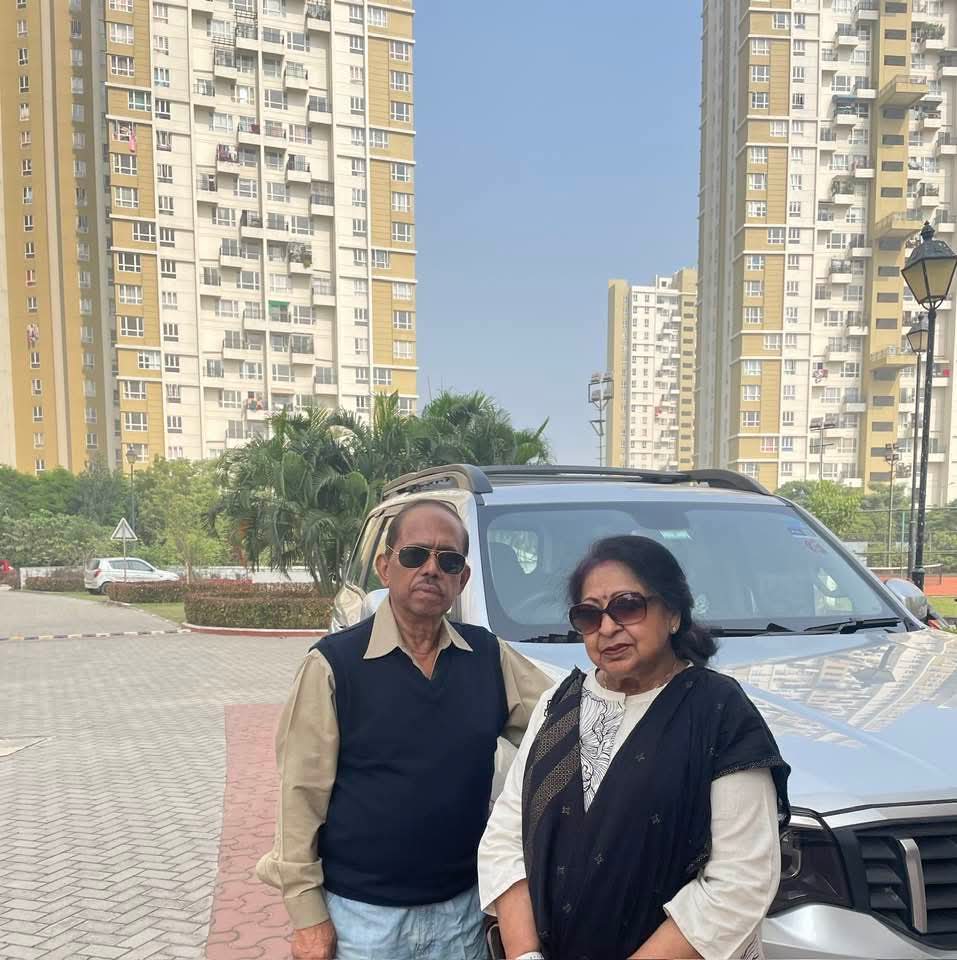
We have a large home, which we purchased in the mid-80s when our children were in school. Later, my son Shubhro and I built a toy train set that runs on low-voltage electricity, and it is our pride. I have had my fair share of luxury; our family has owned and driven swanky cars like Audi, BMW, and Mercedes-Benz. My job involved extensive traveling, during which I covered major parts of the globe.
In the evening of his life, Bose is a contented man. Success and wealth have not gone to his head; at heart, he remains a simple man. Now he spends time steeped in spiritual fervor and unwavering devotion to the Mother deity, listening to his favourite Tagore music on YouTube (discs and cassettes are passé), holding cozy conversations with his wife of so many decades, and frolicking with his grandchildren, who are quite a handful.
 COUNTRY SQUIRE INDIA