


BY RUCHIRA GHOSH
A Conversation with Dr. Indira Das
I first met her at a ladies’ club where we pursued diverse cultural activities. She presented a piece of Romantic English poetry. We encountered each other multiple times at various concerts, dance recitals, and film festivals held throughout the year in the city. A common acquaintance told me she was an eminent gynaecologist. Later, at a vernacular book fair, I discovered her latest collection of short stories had become a crowd-puller.
Curiosity got the better of me, so I contacted Dr. Indira Das during one of her rare free weekends—and an interesting conversation ensued.
1. Tell us about your early life, family background, and education.
I was born and raised in Kolkata, where my parents migrated after the Partition of India during the struggle for independence from British colonial rule. My father held a postgraduate degree in Economics and worked in the Government Accounts Department, while my mother was a botanist who taught Life Sciences at Brahmo Girls’ School.
I began my education in the Montessori section of my mother’s school but later moved to Calcutta Girls’ High School. Our school was affiliated with a Protestant church, which exposed us to global culture. I pursued a medical degree at Medical College, Calcutta, with the ambition of specializing in my chosen field.
In 1988, I enrolled in the Postgraduate Institute at Chandigarh for an MD in Obstetrics and Gynaecology. Six years later, I relocated to the Delhi NCR region and have lived here since, working at multiple hospitals while establishing my private practice as a gynaecologist.






2. How did you develop an interest in music and creative writing?
My parents encouraged me to write frequently. My grandmother also played an essential role, often narrating stories that kept me engaged. She had a talent for rhyming words, and I was captivated by it. As I grew up, those cherished childhood moments profoundly influenced me, and my passion for writing blossomed.
From the tender age of six, I enjoyed crafting rhymes and short stories based on my experiences. Some of my works were submitted to local magazines by my enthusiastic parents, and a few were even published. My love for creativity and writing persisted throughout my life.
I was also introduced to Tagore’s songs and witnessed several of his dance dramas during my time at the Montessori section of Brahmo Girls’ School, which fostered a deep respect for his monumental contributions.
3. Describe your musical training and forward journey.
I have been learning Hindustani classical music since childhood and hold diplomas in Rabindrasangeet and Manipuri dance. Later, I recorded several albums of songs by Tagore and Kazi Nazrul Islam, another legendary poet.
Over time, I felt inspired to set some of my poems to music and began working as a singer-songwriter and composer. These songs were performed by award-winning artists and released as albums by INRECO, Prime Records, and Raga Music, among others—all warmly received.
Additionally, I continued honing my classical music skills under the guidance of the renowned Kirana Gharana, mentored by Padma Shri Vidushi Sumitra Guha.
4. Your literary and creative journey: Who inspired you? Who are your favourite authors in English and Bengali? What are your favourite novels?
As an urban Bengali, I have always been inspired by Tagore’s versatility and creativity, which are imbued with profound philosophy. During my formative years, I read works by Bibhutibhushan Bandopadhyay, Ashapurna Devi, and Bonophul (Dr. Balai C. Mukherjee). I also explored classics such as Twenty Thousand Leagues Under the Sea by Jules Verne, Mother by Maxim Gorky, and War and Peace by Leo Tolstoy.
The poetry of Tagore, Nazrul, and modern Bengali poet Shankha Ghosh has significantly influenced me. I also admire poets like Keats, Milton, Robert Frost, and Sylvia Plath, reflecting my interest in global literature.
My three favourite books:
- The Hungry Tide by Amitav Ghosh
- The Palace of Illusions by Chitra Banerjee Divakaruni
- Tales from Shakespeare by Charles and Mary Lamb
I also cherish Tagore’s short story collection Golpoguchchoo and works by contemporary authors Sunil Gangopadhyay and Samaresh Basu.
My three favourite authors:
- Agatha Christie
- Charlotte Brontë
- Jhumpa Lahiri
5. Describe your medical career, postings, and private practice.
In the early stages of my medical career, I had brief stints in Chandigarh, Kolkata, and Mumbai before settling in Delhi NCR. I initially worked as a consultant at Batra Hospital and Medical Research Centre. Eventually, I started my private practice and opened my own nursing home, allowing me to balance my career with my passions.
My day begins early, often extending past 9 PM. While I schedule surgeries during the day, I also attend to late-night deliveries. In 2022, I documented my professional experiences in Phire Dekha, published by the Bengal Association in Delhi.
6. Your home and family life: How do you juggle all these responsibilities? Share some memorable experiences.
My profession allows me to connect with and observe many people—learning about their sorrows, victories, fears, and liberation. As a doctor, my extended family includes my hospital staff. The experiences of those I serve provide genuine insights into rural India’s realities and spark my curiosity.
I also travel extensively, domestically and internationally, and each new destination inspires me to read and discover new experiences. As I am a gynaecologist, I have a demanding profession. My usual time of writing starts after 11pm – when the world is at rest. I try to write for two to three hours every day, except when I spend a sleepless night attending to a critical patient. However, I unwind in my poetry, I speak my mind in my stories.
Once I was invited to a prestigious Poetry Meet in my city, to recite a couple of my poems but the organisers missed to inform me that the poets were expected to read out their poems on ‘monsoon’. I was not carrying any poem about monsoon for recitation, but a fan from the audience rushed to the dais, passed on her mobile to me, requesting me to recite one of my poems on monsoon which she had saved in her handset! I was so touched by the fact that my reader not only collected my poem, saved it in her mobile handset and remembered it.
7. Please shed light on some of your notable literary works.
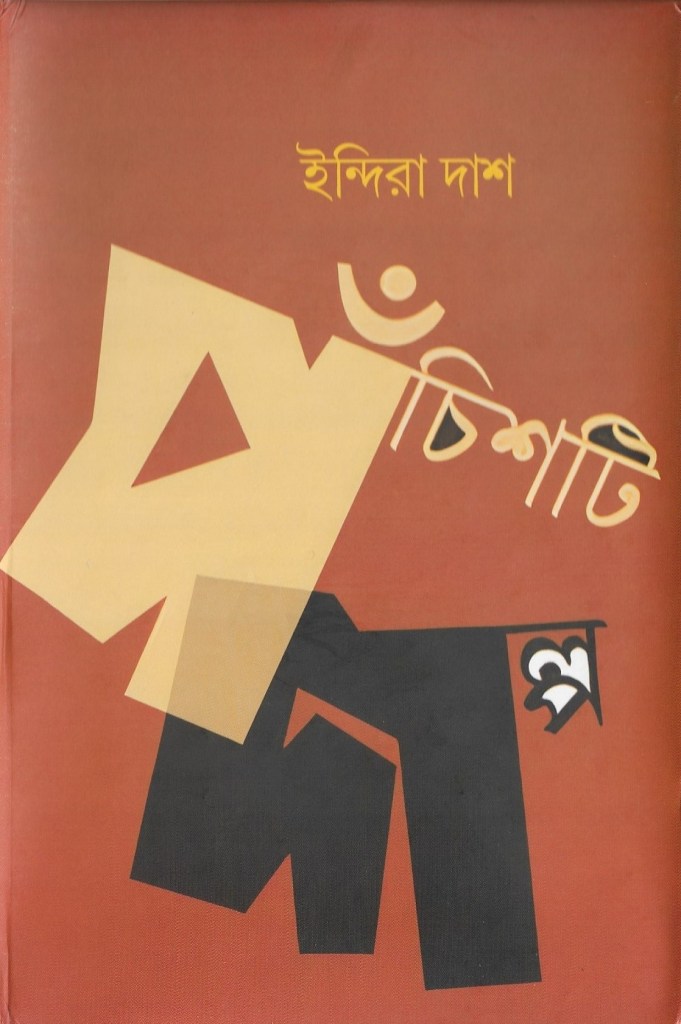
- Two short story anthologies: Ponchish Ti Golpo (25 stories) and Aro Ponchish Ti Golpo (25 more stories)
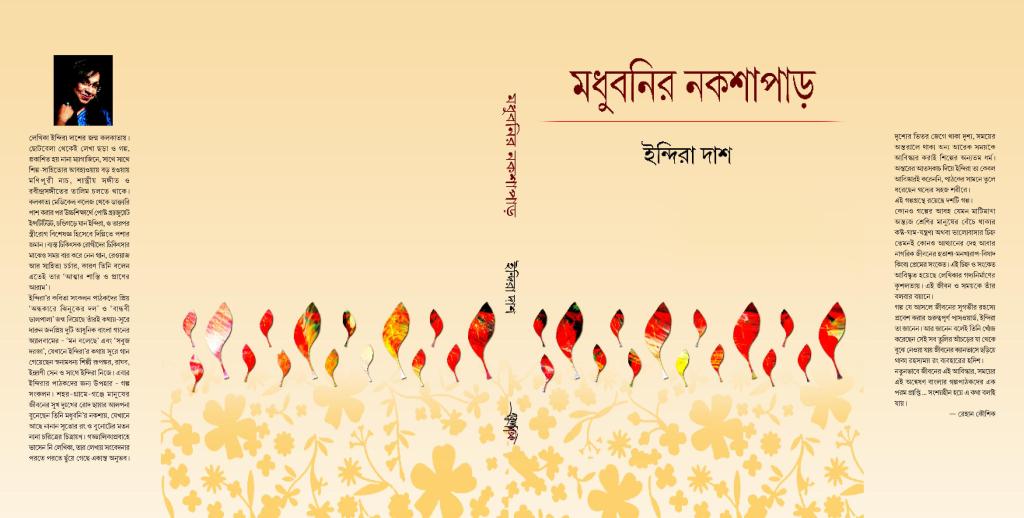
- Madhubanir Nakshapar (another collection of stories)
- Six novellas published as Chhoyti Upanyas
- The Last Dance (a collection of short stories in English)
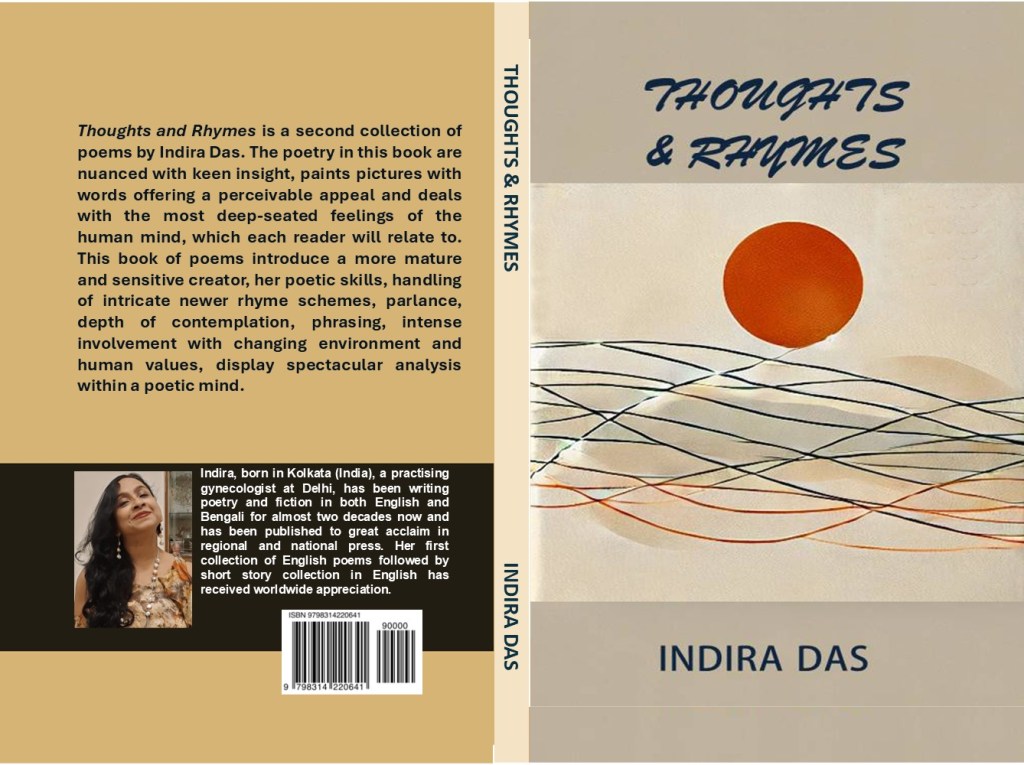
- Love Me a Rainbow (a compilation of my English poems)
8. What has life given you? Any future plans or aspirations?
The desire to share stories and connect with readers is a fundamental motivation for many authors. As a writer, I have been able to engage with my readers and fans. Their feedback inspires me to refine my creativity.
In 2023, I wrote my mother’s biography in Bengali. The book has been translated into English, and I await its publication to reach a broader global audience beyond Bengali readers in West Bengal and Delhi.
 COUNTRY SQUIRE INDIA