

BY RUCHIRA GHOSH
A Dance-Theatre Recital Like No Other
The other day, I received an invitation to an unconventional—perhaps even quaint—dance-theatre recital. The theme was remarkable, certainly off the beaten track.
Titled Swayam Prakasha Kirana (lit. “the light of self-manifestation”), the presentation draws inspiration from the profound philosophy of the Dasha Mahavidya Tantra. This subject is highly complex, intensely philosophical, and deeply psychological, which is why few dare to explore this largely uncharted realm of mysticism.
To understand it, we must delve into the essence of Shaktism and its associated Tantric traditions. This esoteric cult is often shunned by the general public, as it is known to involve gruesome, even ghastly rituals—incorporating bizarre elements like alcohol, human remains, and corpses.



The Primordial Force of Shakti
At the heart of the cult lies Shakti, the primordial female creative force, often embodied by the fierce deity Kali—unabashedly naked, with wild, flowing raven hair. The worshipper, or ardent devotee, must transcend base emotions—shame, revulsion, and fear (lajja, ghrina, bhay)—to uncover the stunning, ethereal beauty and grace of this dusky deity. Within this transcendence lies ultimate fulfillment and bliss.
Most people are familiar with two of Shakti’s manifestations: Kali and Tara. But there are eight more, collectively known as the Dasha Mahavidya—the ten realms of Supreme Knowledge.
- Kali signifies endless time, change, and destruction.
- Tara embodies compassion, knowledge, and protection.
- Tripura Sundari (also called Shodasi, the 16-year-old maiden) epitomizes beauty, grace, and the power of creation.
- Bhuvaneshvari represents the universe, the cosmos, and protective energy.
- Bhairavi, the fifth manifestation, is ferocious, linked with courage and transformation.
- Chinnamasta is the most terrifying of them all—a headless, nude woman riding a copulating couple. She transcends death, alive despite her severed head, which she holds in one hand while wielding a sabre in the other. The head bears a smile, not pain. She nourishes herself and her two Dakini accomplices with her own blood, symbolizing raw feminine power and unending sexual energy.
- Dhumavati is associated with old age, widowhood, and the transformative power of solitude.
- Bagalamukhi—”Bagala” meaning bridle, “Mukhi” meaning face—symbolizes the power to control negative forces and conquer enemies.
- Matangi, the penultimate deity, governs knowledge, music, and skillful communication.
- Kamala (or Lakshmi), the final manifestation, represents wealth, abundance, and prosperity.


The Performance: A Spiritual Odyssey
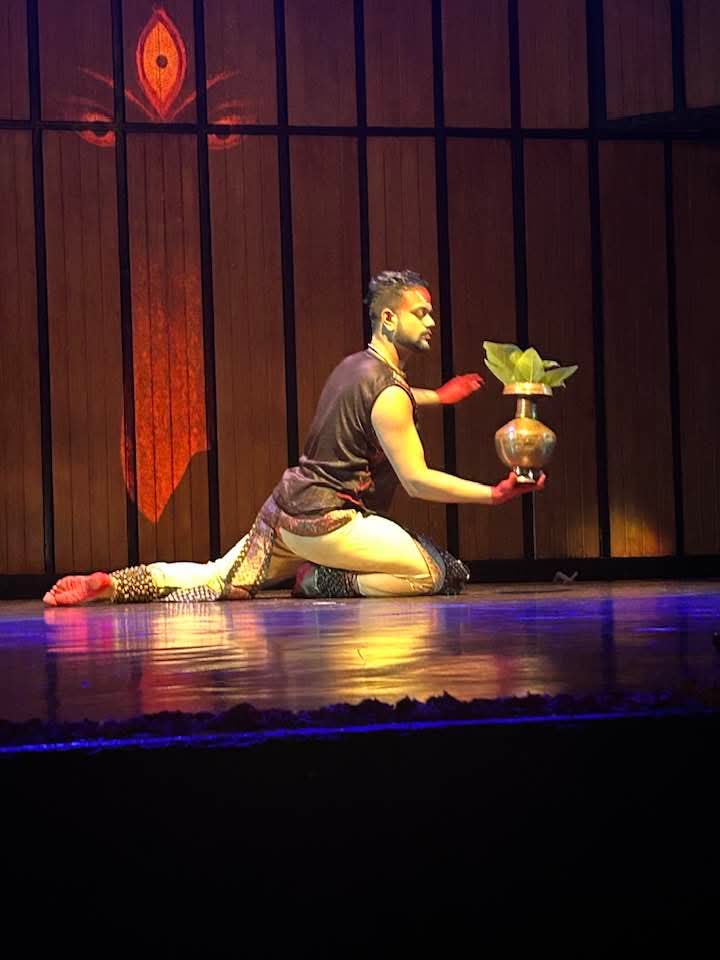
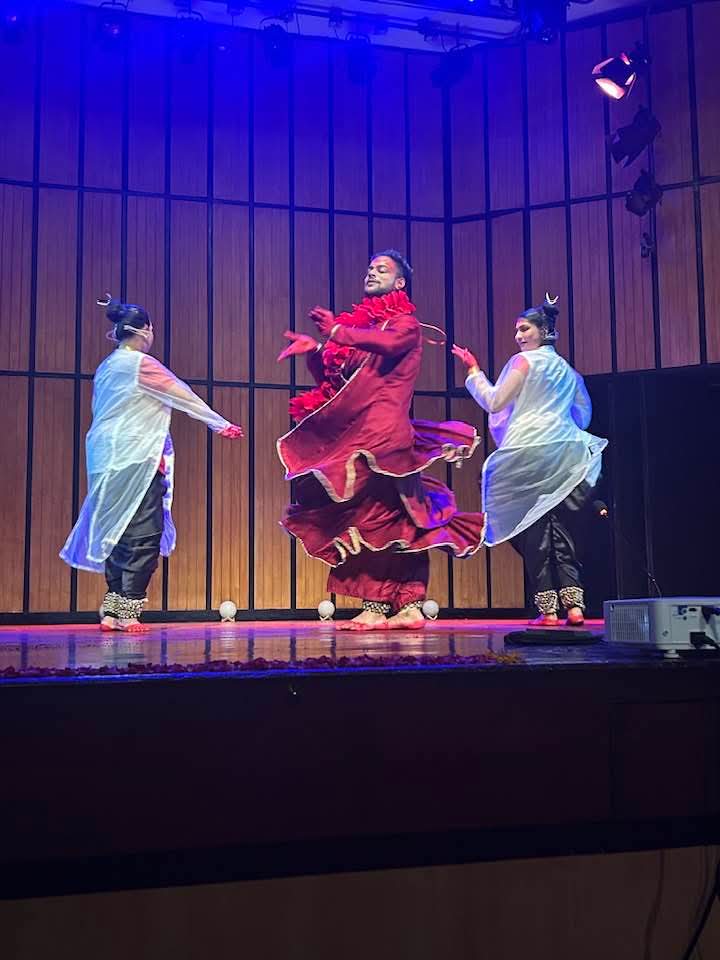
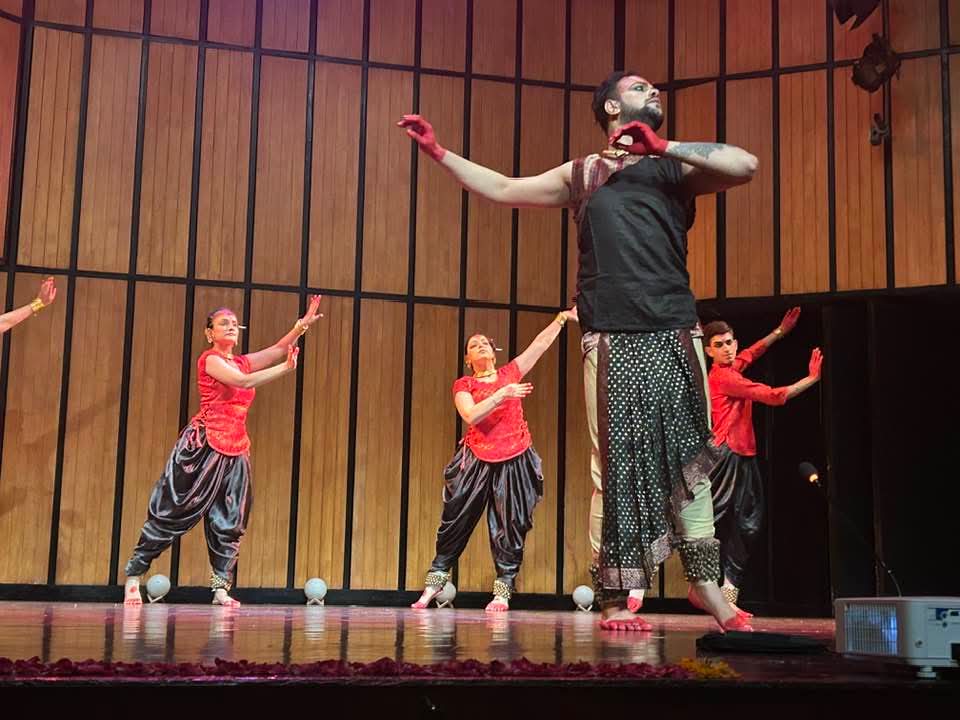
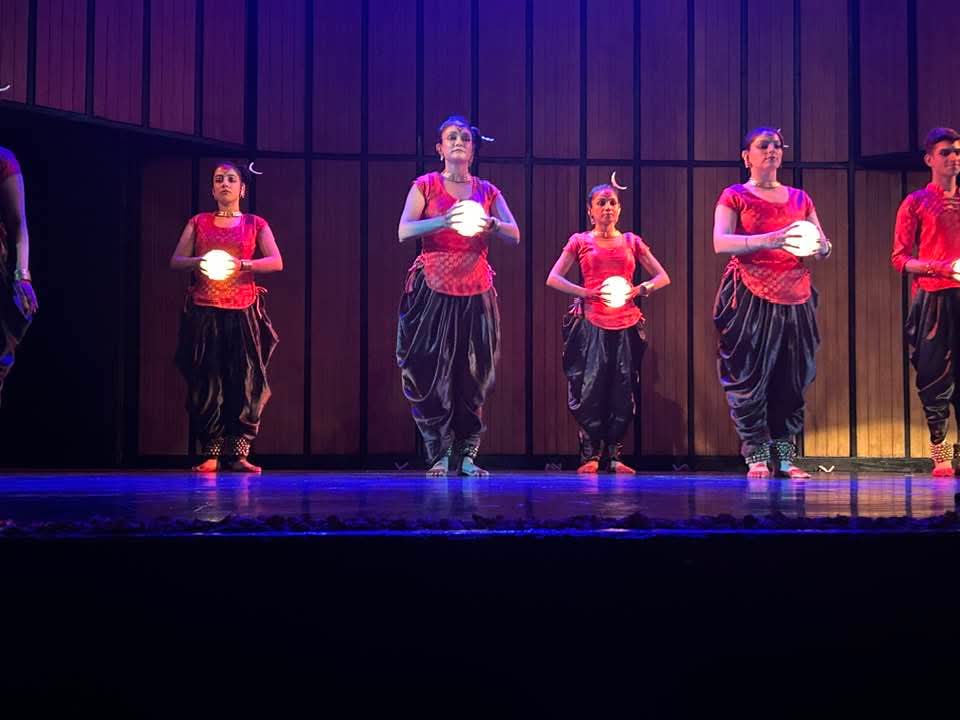
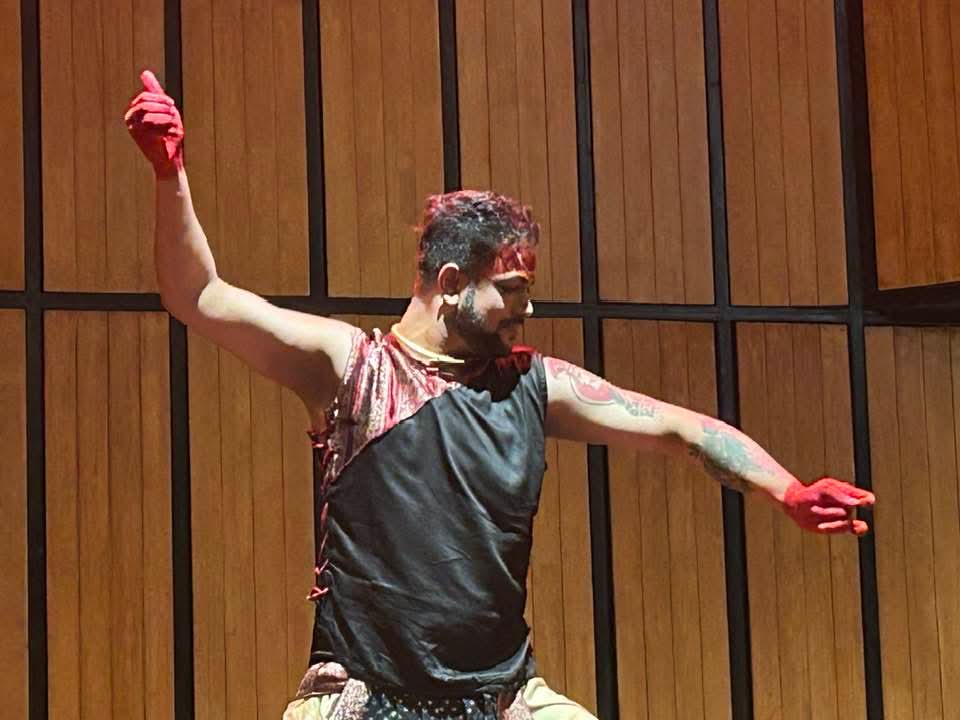
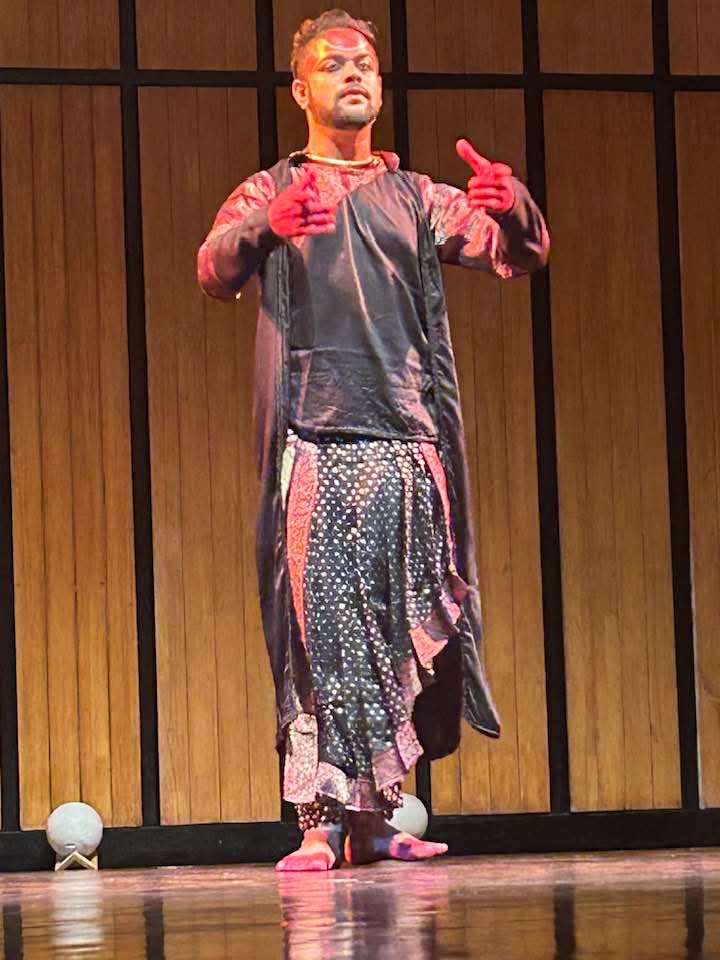
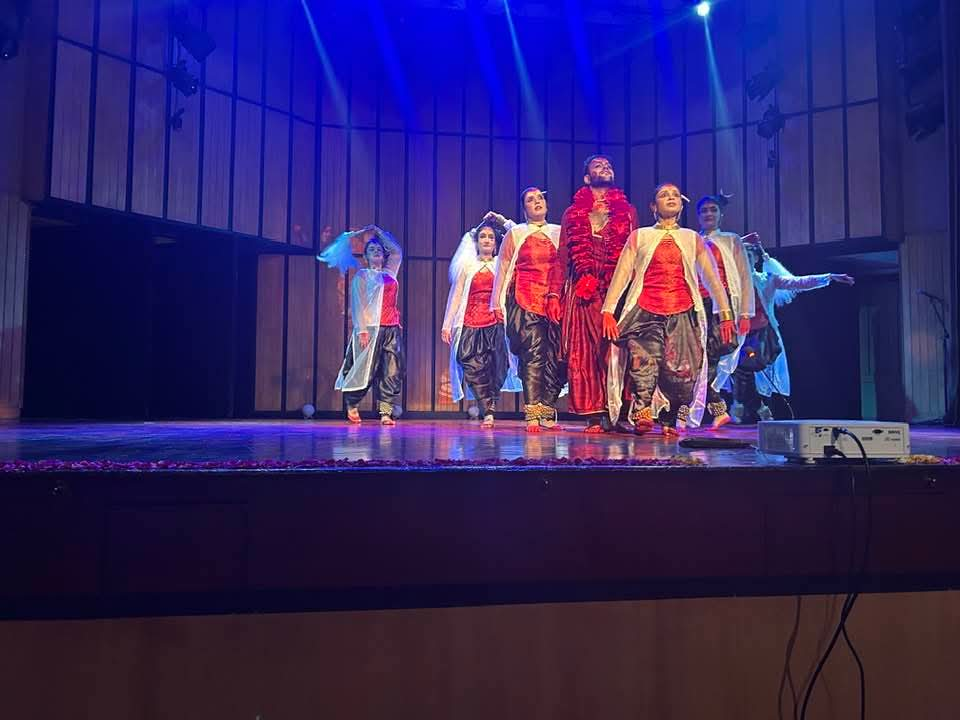
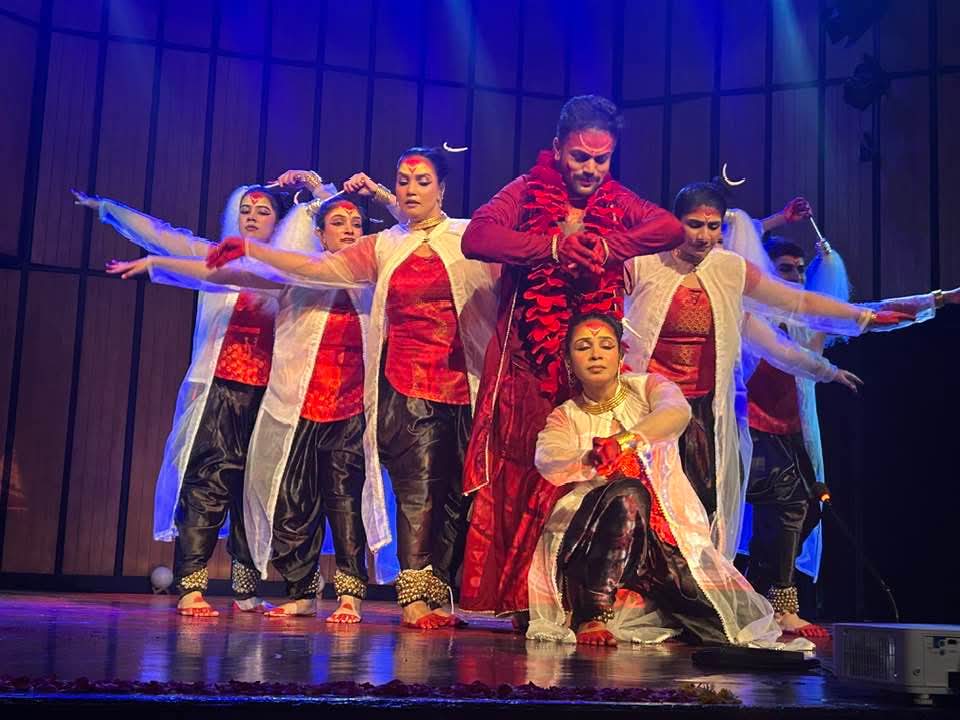
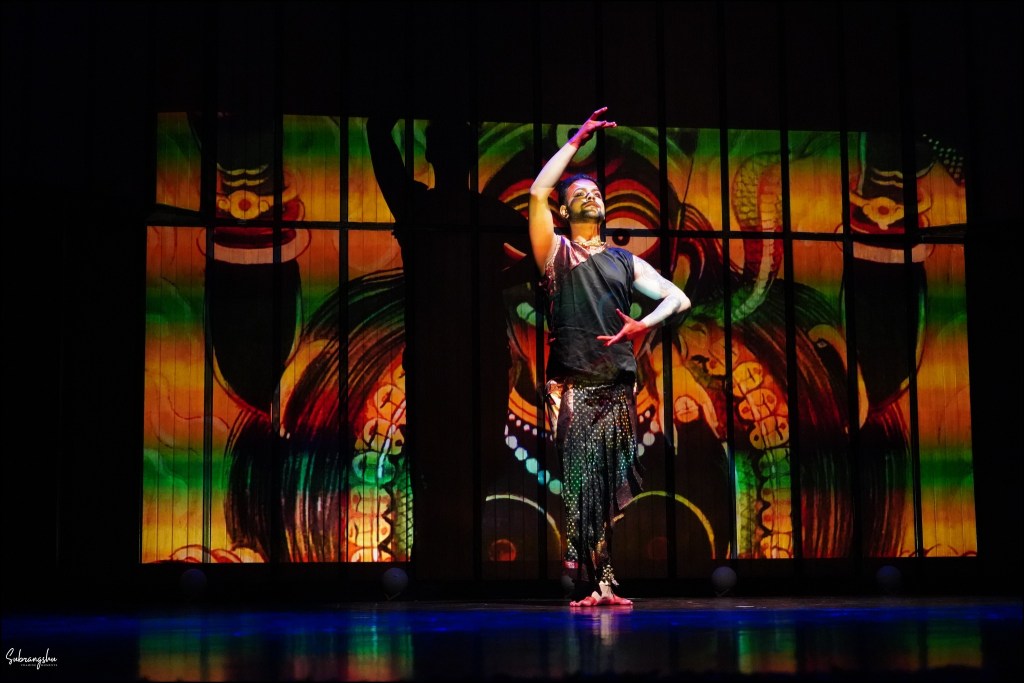
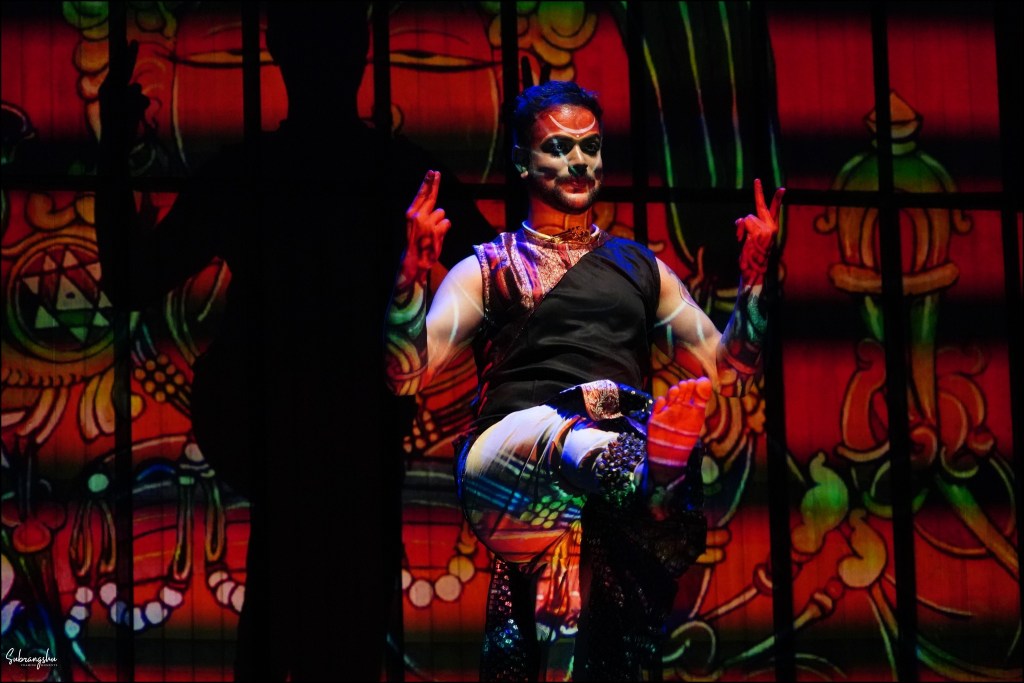
Staged at New Delhi’s elite Habitat Centre, this one-of-a-kind presentation by the Nirvana Arts Foundation traced the spiritual journey of a bhakta (worshipper) as he moved forward, encountering each of Shakti’s ten manifestations—youthful, melancholy, violent, sensual, gory, intellectual, benign, and beyond.
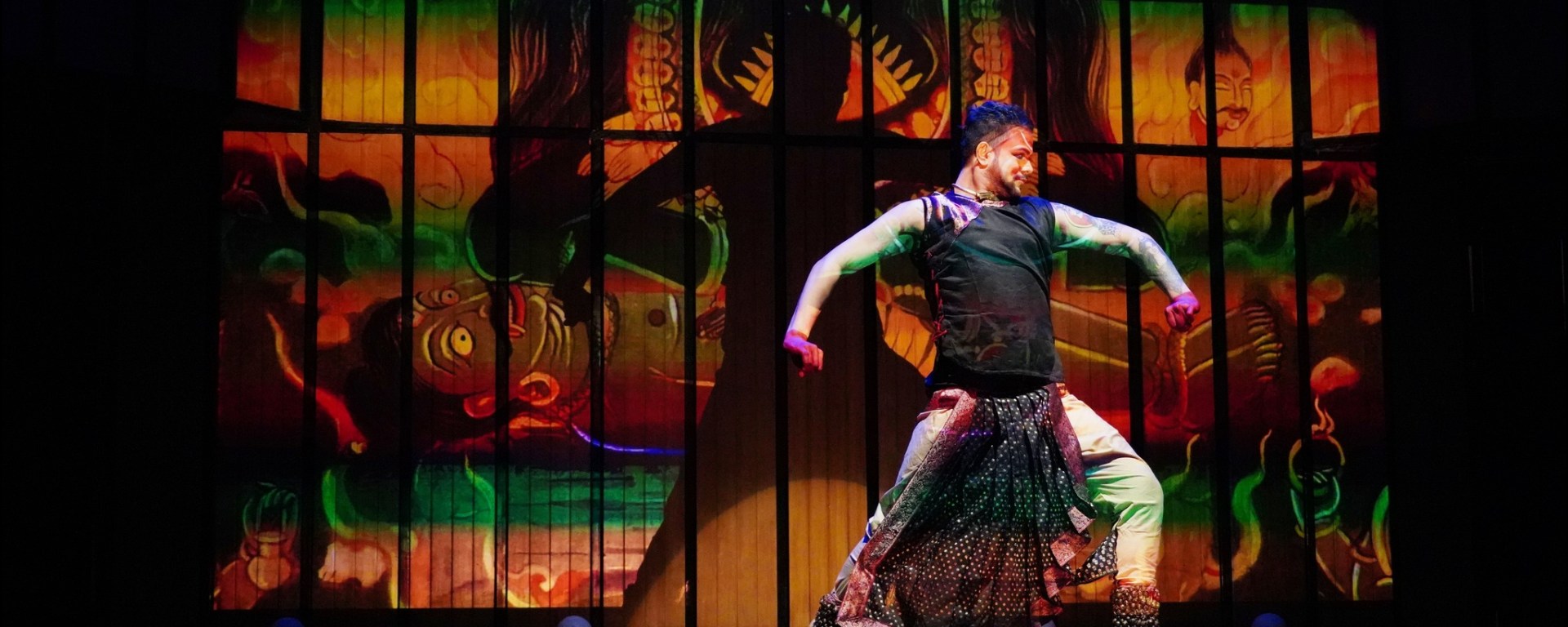
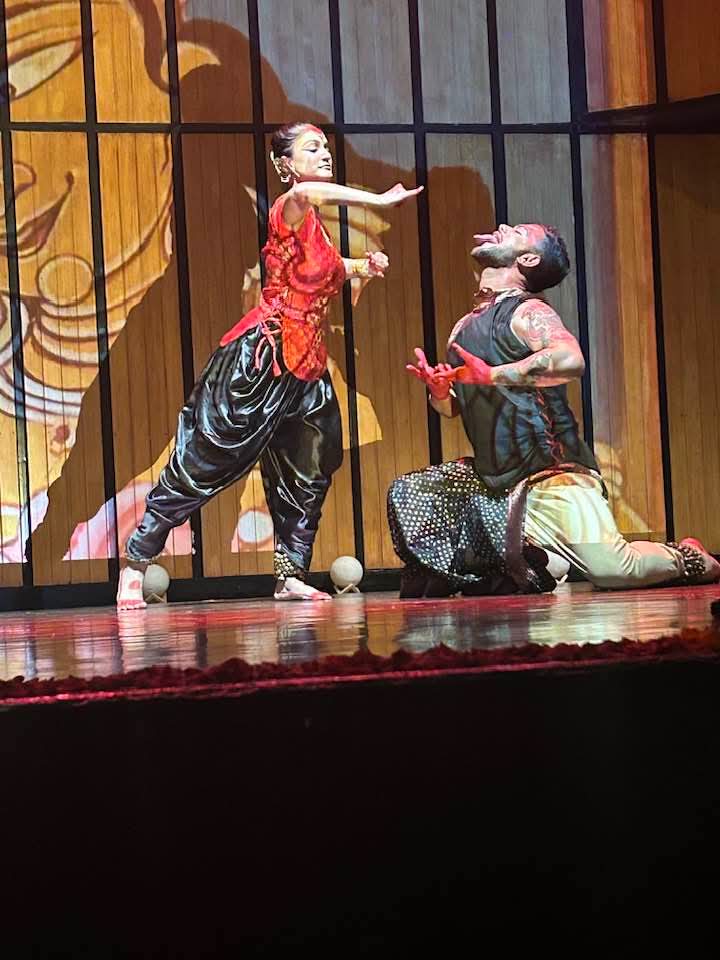
The technical brilliance of the show was undeniable. Using the “Wash and Tempera” technique, each deity’s visage was splashed onto the screen that formed the stage’s backdrop, while performers enacted the narrative. Barun Kar’s impeccable lighting and Arghyadipta Kar’s film projections synchronized seamlessly, heightening the surreal impact of the piece.
Deep black and flaming red hues—synonymous with the goddess’s fiery, hideous, yet compassionate nature—dominated the visuals. This paradox, inherent in Tantra-Shaktism, struck the viewer with profound meaning.
Kathak Meets Tantra: A Masterpiece
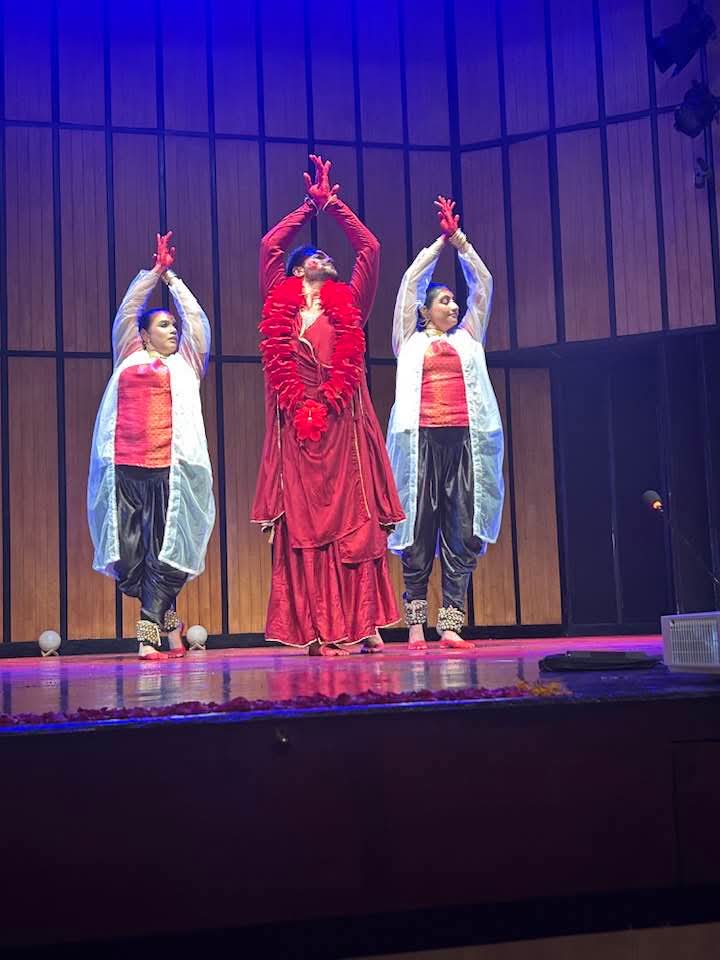
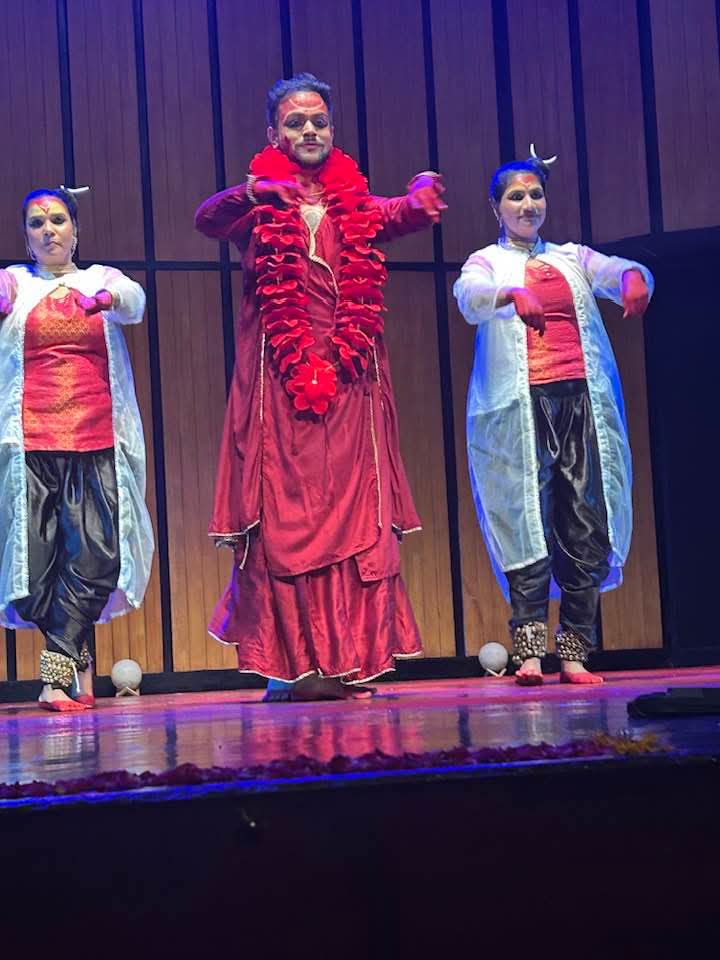
The fusion of Kathak with Tantric themes was mesmerizing. The audience sat in rapt silence as lead dancer Sudip Chakraborty, accompanied by a troupe of talented women, delivered a spellbinding performance. Their rapid, flawless footwork—the essence of Kathak—combined with gyrations that shifted from raucous to coarse, sensual to mellifluous, soft to affectionate, was nothing short of electrifying. Every movement led to the core truth: the majestic divinity of the Mother.
Even in his solo segments, Sudip was extraordinary—darting across the stage with whirls, shifting expressions, and bloodshot, kohl-lined eyes glaring, as if the devi herself had come alive. The piece began with Ragamalika and culminated in a full cycle of Kathak’s technical repertoire.
Above all, vocalist Jaydeep Sinha’s soulful renditions—interspersed with sonorous Sanskrit hymns and chants—were the pièce de résistance of the evening.
photo credits to SUBRANGSHU CHAKRABORTY
 COUNTRY SQUIRE INDIA