


BY RUCHIRA GHOSH
This is another installment in our series profiling prominent female vocalists who have made the National Capital their home.
I first encountered Barnini Sen at a musical soirée organized by the local Bengali community. Later, I had the pleasure of hearing her perform at a women’s cultural club we both frequent.
Music came to Barnini as naturally as breathing. Growing up in a family where her mother was an accomplished singer and her late father a devoted music enthusiast, she was steeped in melody from childhood. Though she graduated in Economics and later earned a Postgraduate Diploma in Applied Computer Science, music remained her true calling.
Her father’s banking career took the family across India, and wherever they moved, Barnini pursued formal training in local music schools. Her dedication culminated in a senior diploma in Hindustani classical music and a Prabhakar in Tagore music from Prayag Sangeet Samiti (Allahabad). She further honed her craft at Kolkata’s prestigious Dakshinee institute, studying under maestros like Apala Basu Sen, Sekhar Gupta, and currently, Sandeep Das.
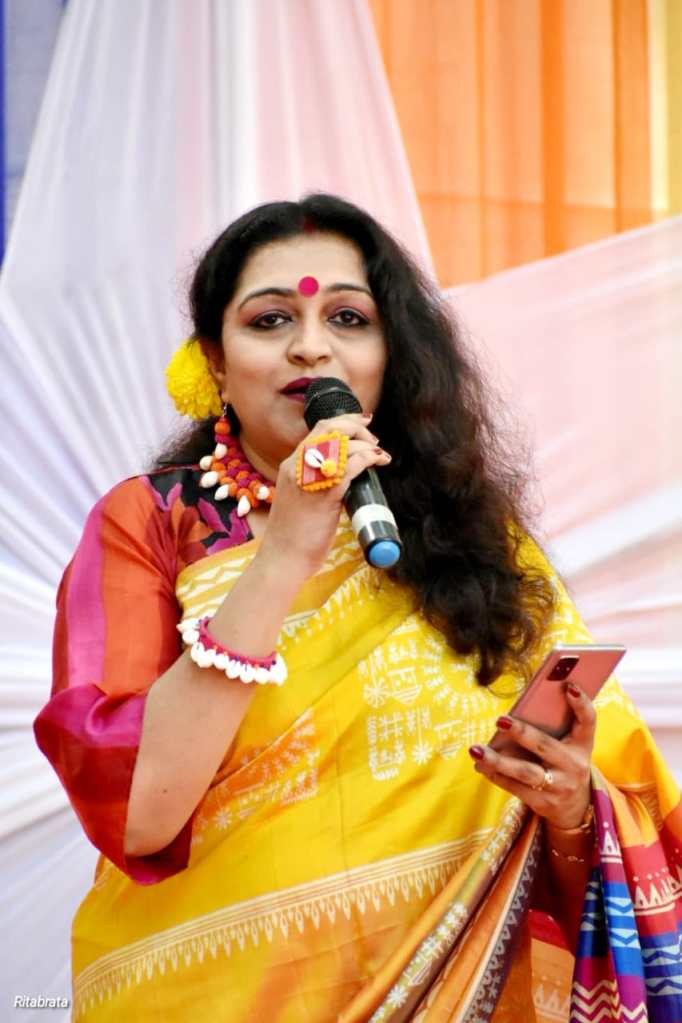
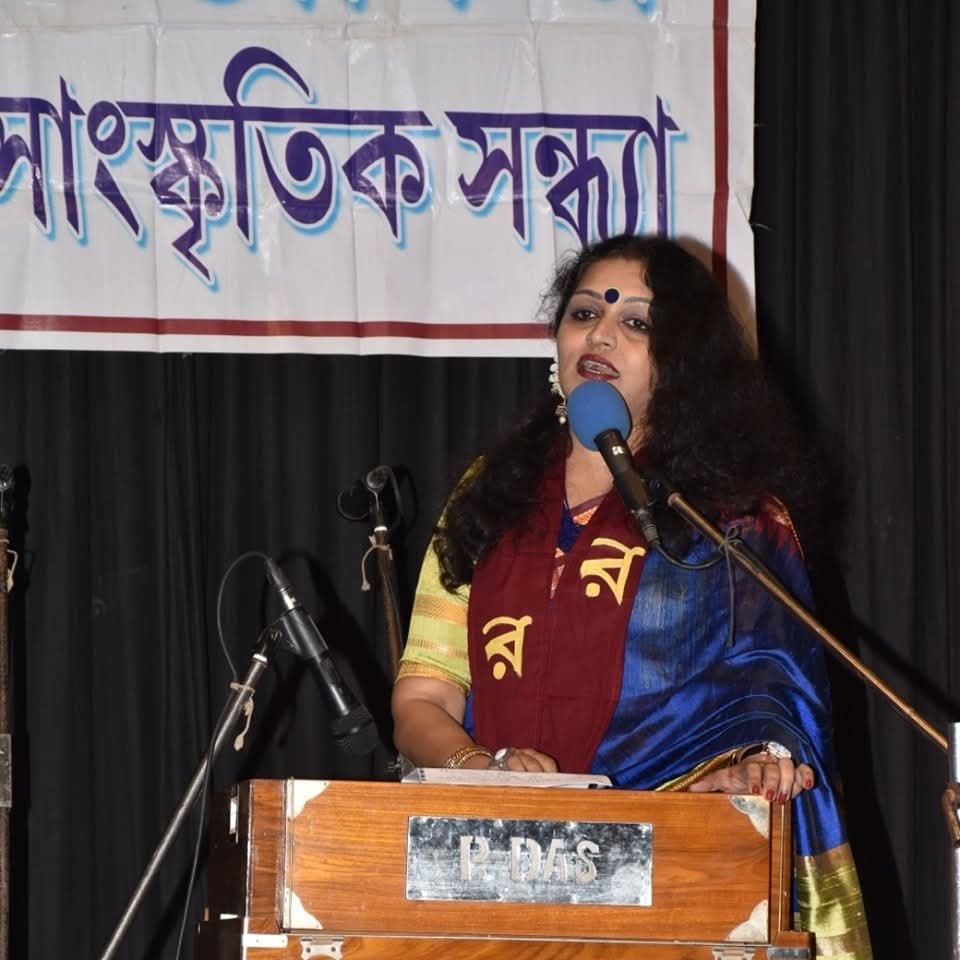

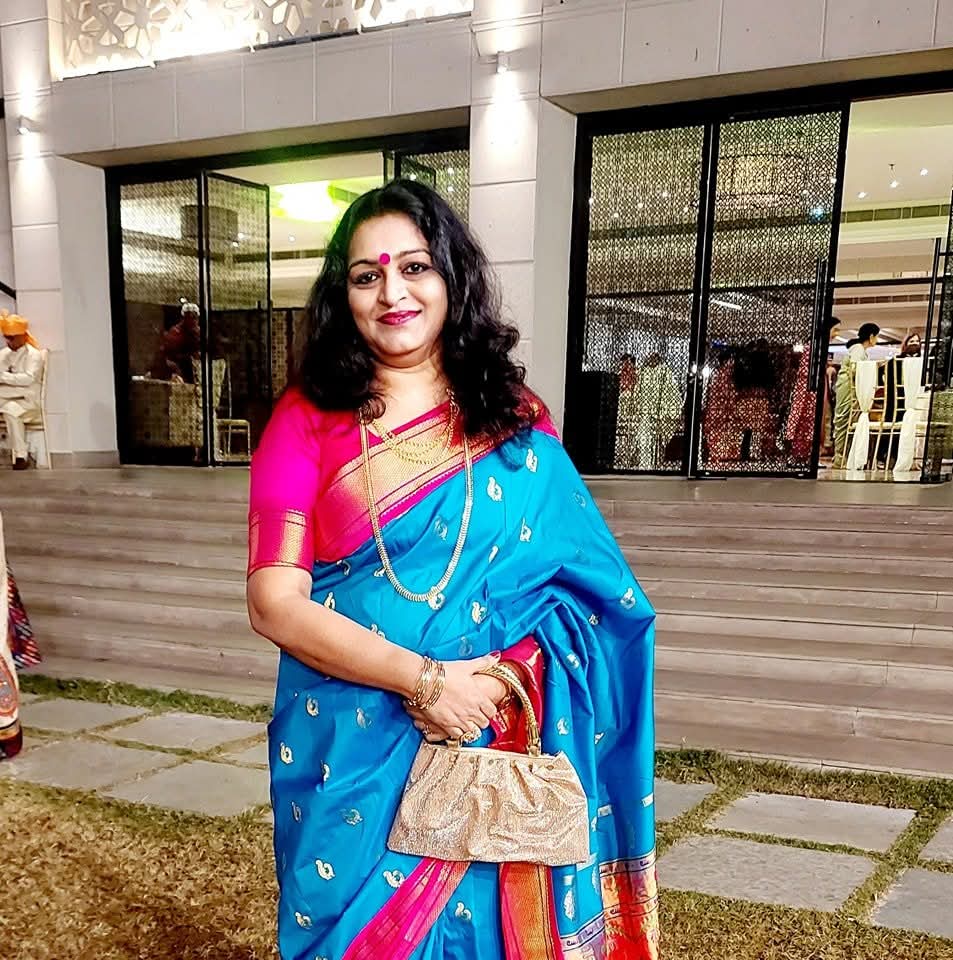
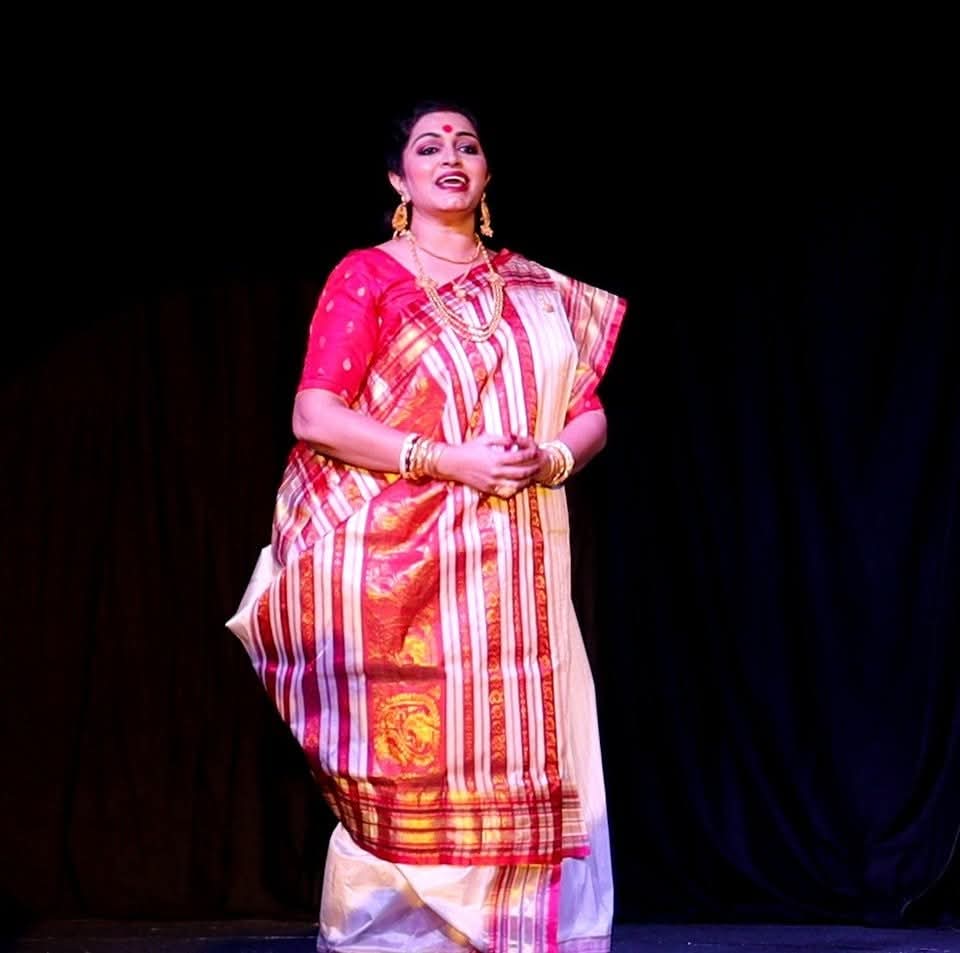
A Musical Journey Interwoven with Life
“Post-matrimony,” Barnini recalls, “I was delighted to discover my husband’s family shared my passion for music. It made settling into my new life effortless.”
Yet, like many women, the demands of motherhood and her husband’s transfers interrupted her artistic pursuits. After relocating to Gurugram (NCR), she reconnected with music, now enriched by exposure to broader genres. She shuttles frequently between Delhi and Kolkata, and recently enrolled in a program by Indira Music Institute, exploring Bengal’s cultural renaissance and the Tagore family’s monumental contributions—a fitting tribute to their enduring influence on Bengali arts, philosophy, and even culinary traditions.
A Prolific Performer
Barnini regularly graces stages across the NCR, including events honoring Raja Ram Mohan Roy, International Mother Tongue Day (21st February), and performances for All India Radio, Maitri Channel, and High TV.
On Guru-Shishya Parampara
Like her peers, Barnini reveres this timeless tradition. “It’s the bedrock of Indian culture,” she explains. “The guru is not just a teacher but a mentor and spiritual guide, shaping the disciple’s holistic growth. In return, the shishya offers unwavering dedication. This bond has nurtured everything from music to philosophy—its sanctity is irreplaceable.”
Her musical inspirations include Rabindra Sangeet legends like Rezwana Choudhury Banya, Jayati Chakraborty, and the versatile Iman Chakraborty.
On Fusion and the Future
Barnini embraces innovation cautiously: “Fusing Indian vocals with pop, rock, or orchestration can captivate new audiences and showcase versatility. But tradition must anchor experimentation.”
Looking ahead, she predicts trends like genre-blending, cross-cultural collaborations, AI-generated music, and virtual concerts—yet believes the soul of music will always lie in human emotion.
A Message to Aspiring Artists
“Learn endlessly,” she urges. “The guru-shishya bond teaches that growth is lifelong. Prioritize artistry over applause, and let tradition guide your evolution.”
 COUNTRY SQUIRE INDIA