

BY RUCHIRA GHOSH
Gurbani Vis-à-Vis Sufi Poetry
Since the dawn of civilization, women—often referred to as the “fair sex”—have played a prominent role in a broad spectrum of creative intelligence and activities, spanning anatomy, erotica, beauty, art, sculpture, music, and literature. The list is endless.
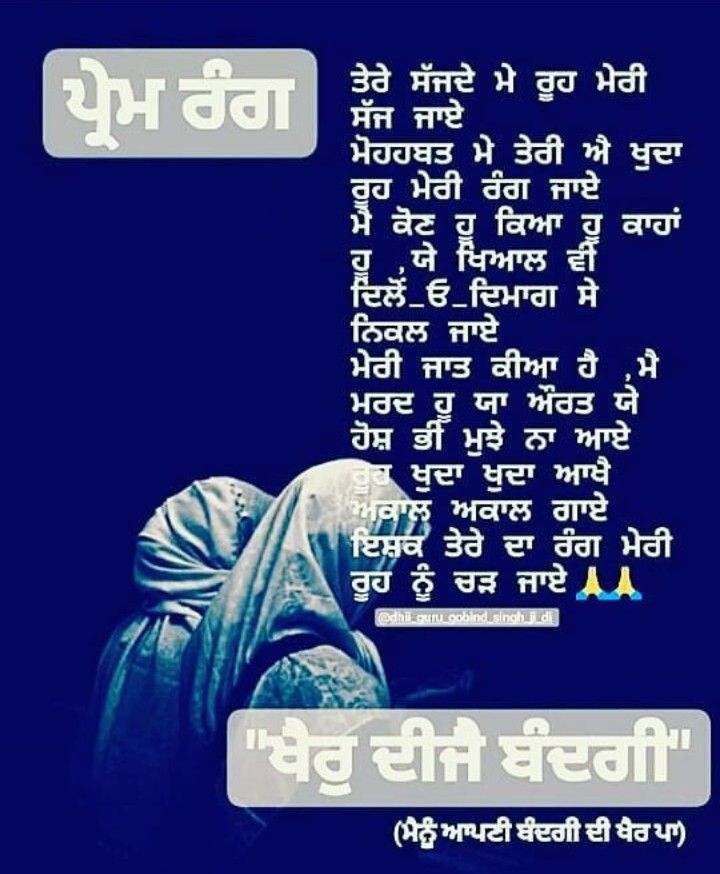
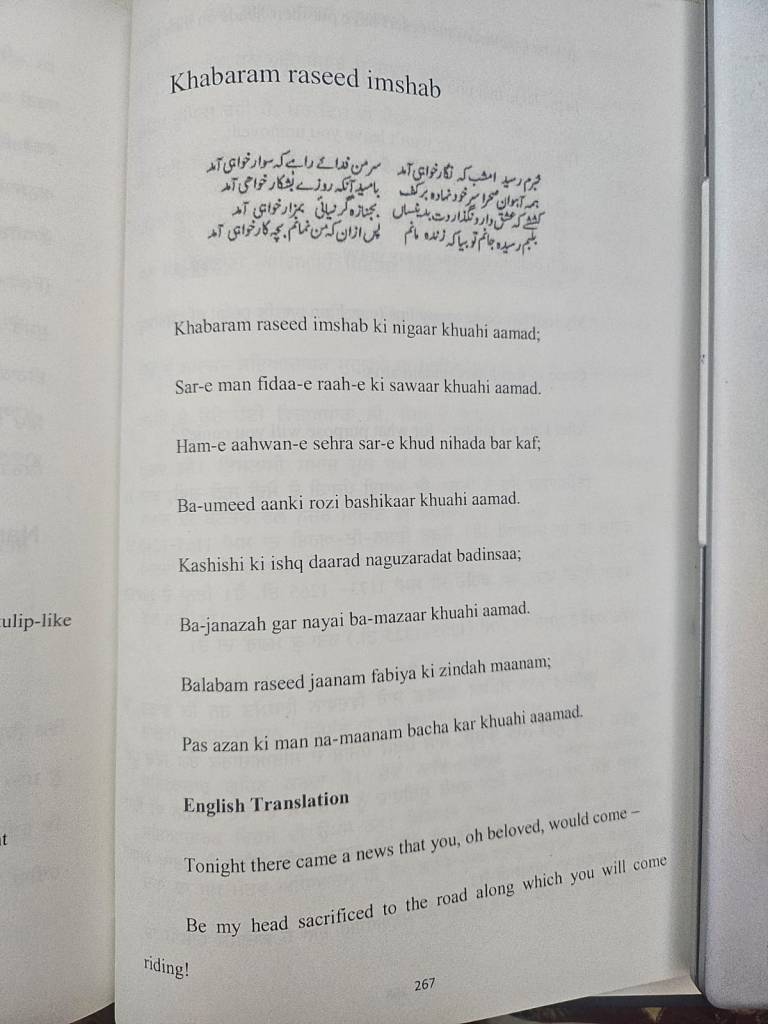

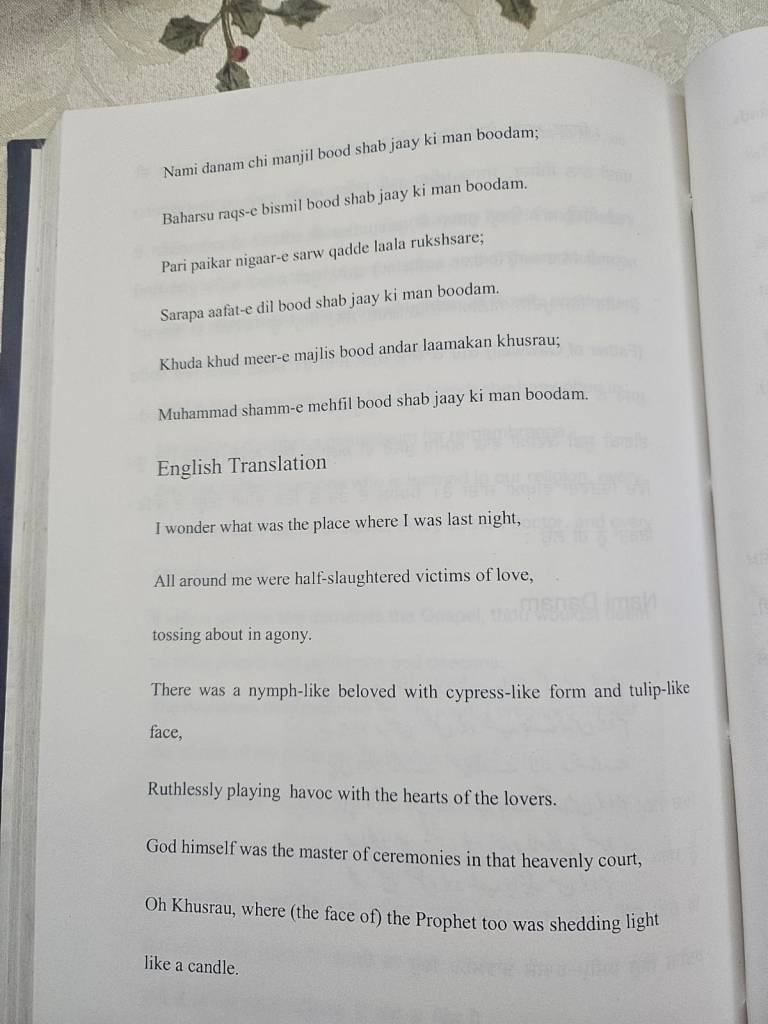


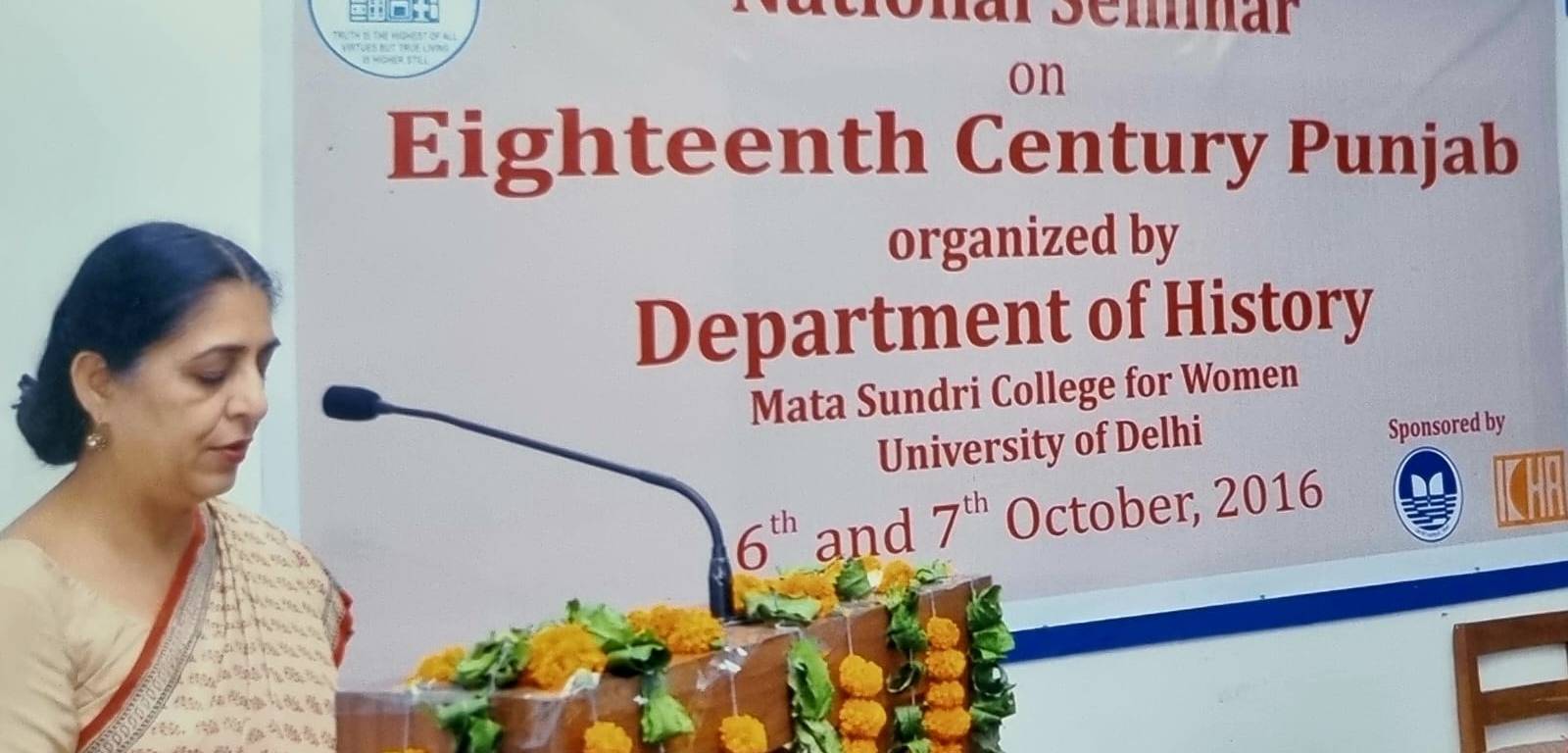
Recently, I had an interesting experience when I met a retired professor of English Literature at Mata Sundari College (Delhi University) during a social event. Dr. Kiranjeet Sethi holds a Masters degree in English literature, along with a PhD in Punjabi. She is also a qualified translator in several languages. As our conversation shifted to feminist and literary topics, Dr. Sethi revealed that her PhD dissertation was a comparative study of Gurbani and Sufi poetry from a feminist perspective. This intriguing and unconventional topic inspired me to engage in a tête-à-tête with the professor, from which a wealth of information emerged.
Q: What led you to consider a comparison between these two streams?
“My roots are deeply entrenched in Sikhism, and I firmly believe in the teachings of the Sri Guru Granth Sahib. I have always been drawn to literature that reflects and embodies these beliefs. Themes such as spirituality, social justice, and the role of women in shaping cultural narratives have always captivated me. Gurbani, the sacred writings of the Sikh Gurus, stress the importance of equality and the love of humanity as essential for seeking union with the Divine.
As I explored the diverse realms of Gurbani, I realized that the ultimate purpose of human birth is the quest for self-realization and union with the Supreme Being. During my student days, I researched the poetry of Bulleh Shah, Rumi, Amir Khusro, Shah Hussain, Sultan Bahu, and other Sufi titans. Sufi poetry similarly emphasizes self-realization and the ultimate union with the Divine, much like Gurbani.
Reflecting on the ideology of equality for all humanity, as well as universal brotherhood and love, I felt compelled to explore the perception of women’s equality. Were the benefits of this egalitarian movement accessible to women, or were there subtle signs of marginalization that needed to be addressed?”
Please elaborate further on your findings.
“Medieval Punjab faced innumerable challenges. The Sikh Gurus and other proponents of the Bhakti movement countered the threats posed by foreign invaders through their literary expressions and practical life approaches. Their defiant attitudes contributed to Punjab’s cultural ethos and values. The Sikh Gurus, along with Sufi poets, showed defiance against the prevailing circumstances of their time. In medieval Punjab, the feudal structure marginalized women’s status to such an extent that derogatory terms were frequently used to describe them. Women were regarded as the ‘second sex,’ and their economic and social dependence on men further exacerbated this troubling situation. The Sikh Gurus, foremost among them Guru Nanak, spoke in favor of women, stating that ‘Women give birth to nobles and kings’ so why should they be treated in a derogatory manner and be considered inferior?”
How is the female figure depicted in Gurbani different from her counterpart in Sufi poetry?
“The woman in the poetry of the Sikh Gurus is often portrayed as docile and traditional. The love depicted between the lovers is conventional and adheres to social norms. While the woman in Gurbani may experience deep love, she never strays from societal expectations. Her behavior remains civil, elevating her emotions toward higher echelons. Gurbani also provides guidance on how to attain Unity of Being.
In contrast, the woman in Sufi poetry asserts herself and seeks her own space within the social realm. Though a mild assertion can be found in the works of Shah Hussain and Sultan Bahu, by the time of Bulleh Shah, the woman had become defiant to the point of being aggressive and blunt. For her, no amount of trouble, obstacles, or pain can deter her from reaching her beloved. Life becomes meaningless without that connection.”
How do the creative and literary styles of the two schools differ?
“The linguistic pattern in Sufi poetry often utilizes first- and second-person narratives, while in Gurbani, the narrative takes on a more omnipresent tone, with the Sikh Guru poets themselves becoming the subjects.
When Gurbani references marriage and relationships with parental or in-laws’ homes, Sufi poetry alludes to ‘Trinjan,’ a communal gathering where women meet to express their pent-up emotions.
Sufi poetry also incorporates folk tales to depict the union between the lover and the beloved, frequently referencing stories like Heer Ranjha and Sohni Mahiwal. This worldly love (Ishaq Majazi) ultimately culminates in spiritual love (Ishaq Haqiqi), illustrating the pursuit of unity with the Divine.
Delving deeper into the philosophical realms of both, we discover that their primary purpose in life is self-realization and becoming one with the Divine—often symbolized through the feminine metaphor. It is fascinating to observe that even though all these poets, whether Sikh Gurus or Sufi, were male, they projected themselves as females in their quest for union with the Divine. The concept of the ‘soul-bride’ is feminized, thereby ascribing a higher status to the Lord and Master. Nowhere in Gurbani do we find the poet as ‘I’ or ‘you’ in the conventional sense.
Earlier, Sufi poets depicted themselves as males, seeking a true union with a female lover, representing the Divine Being—celestial, beautiful, enigmatic, and elusive.
Moreover, Gurbani is like a continuous poetic flow, with the same single body of text incorporating the bani of Gurus and bhakts/devotees. In contrast, each Sufi poet has his own linguistic symbolism and expression.”
It would be appropriate to say that Gurbani’s love poetry has its feet firmly planted on the terrestrial firmament, whereas Sufi love poetry is airy and dreamy with an ecstatic, surreal touch. Nonetheless, both epitomize the great human emotion of love.
 COUNTRY SQUIRE INDIA