


BY RUCHIRA GHOSH
The dominance of full-length feature films is being challenged as short films emerge as the new favorites in the entertainment industry. This shift gained momentum during the pandemic, and while the pandemic has subsided, this trend is here to stay. Reflecting this spirit of innovation, the Bengal Association organized the second edition of Beyond Bounds, a festival of documentaries and short films in Bengali and other languages, at the Muktadhara Auditorium, New Delhi. The event was graced by thespian actor Dhritiman Chatterji as the guest of honor.





The festival showcased an impeccable selection of films, each narrating unique stories that spanned the gamut of human experiences, emotions, and aspirations.
- “My Father’s Doctor” (Dir. Danish Renzu, Kashmiri): This poignant short film explores unrequited love against the backdrop of terrorism. A young woman falls in love with her father’s physician, but he rejects her as he is already married. After his tragic death in an encounter, she strives to restore his tarnished image on social media, showcasing her enduring love.
- “City of Lights” (Dir. Shahadat Russell, Bangladeshi): A heart-wrenching tale of a rural woman yearning to see city lights. Tragically, her first and last journey to the city is as a corpse, with her son exploiting her death for financial gain.
- “Mumta Claus” (Dir. Gaurav Ganguly): This story portrays Anu, a housewife whose daily labor of love is taken for granted. One morning, she surprises her family by refusing to meet their demands, forcing them to appreciate her contributions.
- “Birohe Jodi” (Dir. Anuradha Kunda, Bengali): A thought-provoking exploration of family dynamics and marriage. It follows a recently widowed father dealing with his son and daughter-in-law’s contemplation of divorce over trivial issues.
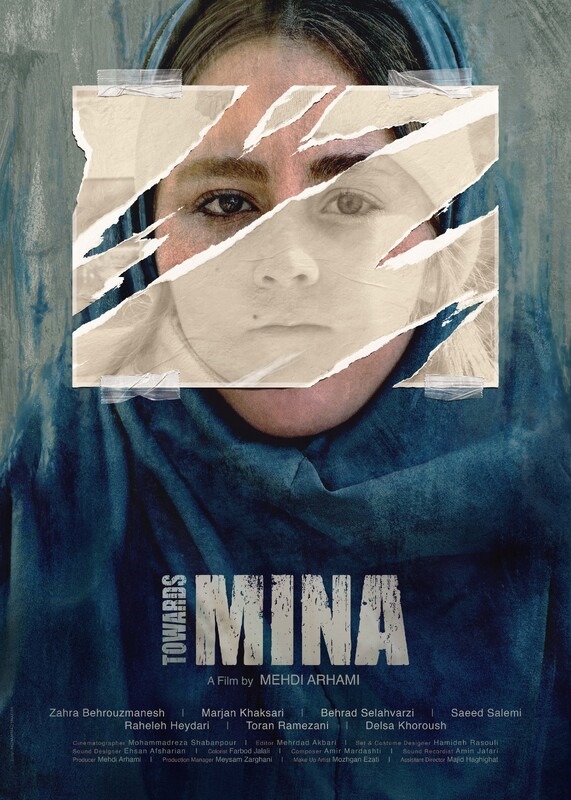
- “Towards Mina” (Dir. Mehdi Arhami, Persian): A graveyard worker confronts her buried anguish while washing the corpse of a woman whose actions destroyed her hopes and dreams.
- “Queer Khalifa” (Dir. Danial Gondal, USA): A contemporary tale of two childhood friends who reunite as lovers, celebrating identity and love in the LGBTQ+ community.
- “The Apple” (Dir. Mayank Sharma, UK): A heartwarming story of two boys from different economic backgrounds bonding over shared tiffin items, particularly a simple apple.
- “Rath” (Dir. Saikat Das): An intriguing romantic journey of a newlywed couple as they navigate self-discovery and their future together.
The festival also featured remarkable documentaries:
- “Lost for Words” (Dir. Rajaditya Banerjee): This film follows members of the Toto tribe in their battle to preserve their endangered language near the Indo-Bhutan border.
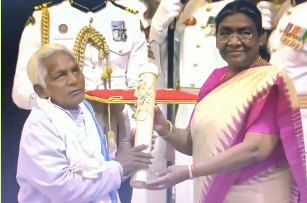
- “Rukhu Matir Dukhu Majhi” (Dir. Somnath Mondal): A biographical film about Dukhu Majhi, a septuagenarian who initiated a tree plantation drive in West Bengal, earning him a Padma Shri.
- “Jamna: The River” (Dir. Ishani K. Datta): A powerful documentary about the Yamuna River’s perilous state due to human apathy, highlighting efforts to salvage it.
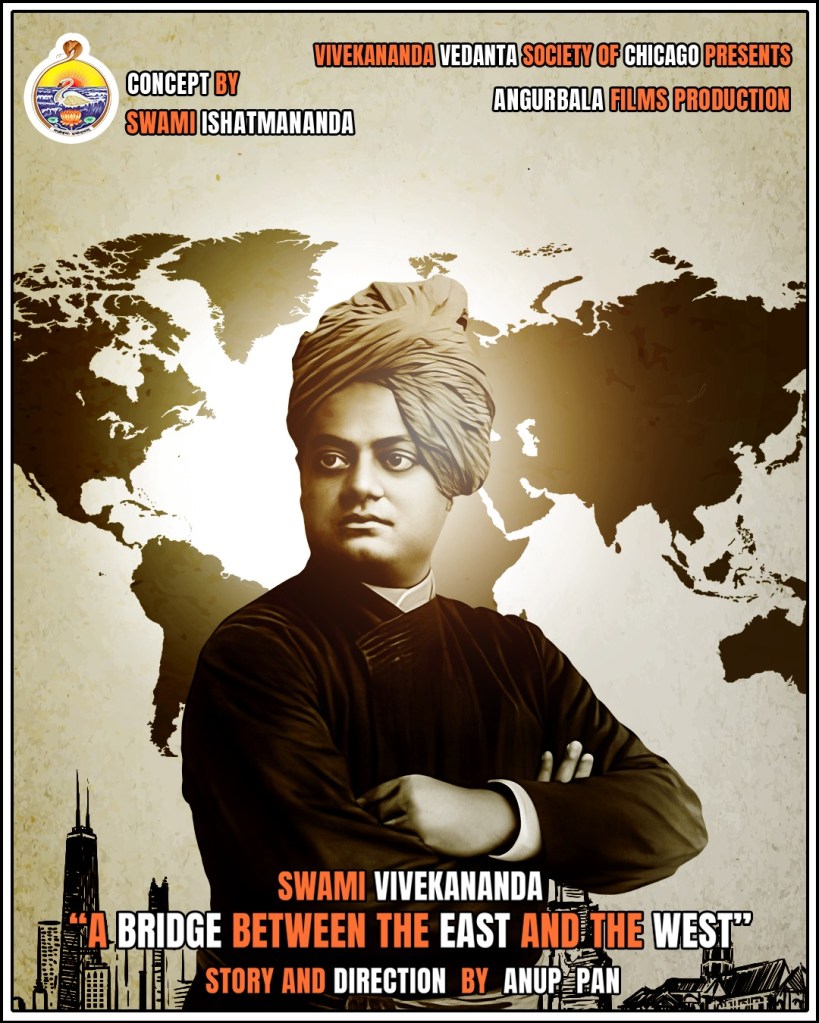
- “Swami Vivekananda – A Bridge between The East and The West” (Dir. Anup Pan): A star attraction, this brilliant documentary captured Swami Vivekananda’s impact on bridging cultures.
- “Broto Alpona” (Dir. Sarbari Chowdhury): An eye-opening exploration of Alpona, an ancient art form from Bengal used in rituals to communicate with deities. The stunning cinematography and authentic portrayal of this heritage made the docu-drama a masterpiece.
The festival, though showcasing even more entries than mentioned here, was a resounding success, leaving attendees inspired and entertained.
 COUNTRY SQUIRE INDIA