

BY RASHMI PATANI
Festivals hold a special place in Indian culture, symbolizing its rich diversity and reinforcing social bonds among communities. Each festival is a unique tapestry woven from local customs, beliefs, and traditions, celebrating the myriad ways in which people come together to honor their heritage. The significance of festivals in India goes beyond mere celebration; they serve as a means of preserving culture, fostering unity, and promoting social harmony.
India is home to a vast array of festivals, with each region showcasing its distinct traditions. For instance, Diwali, the Festival of Lights, is celebrated with grandeur across the country, signifying the victory of light over darkness and good over evil. During this time, families illuminate their homes with diyas (lamps) and firecrackers, share sweets, and perform rituals to worship Lakshmi, the goddess of wealth. Diwali encapsulates the essence of joy and gratitude, bringing communities closer together in shared celebration.
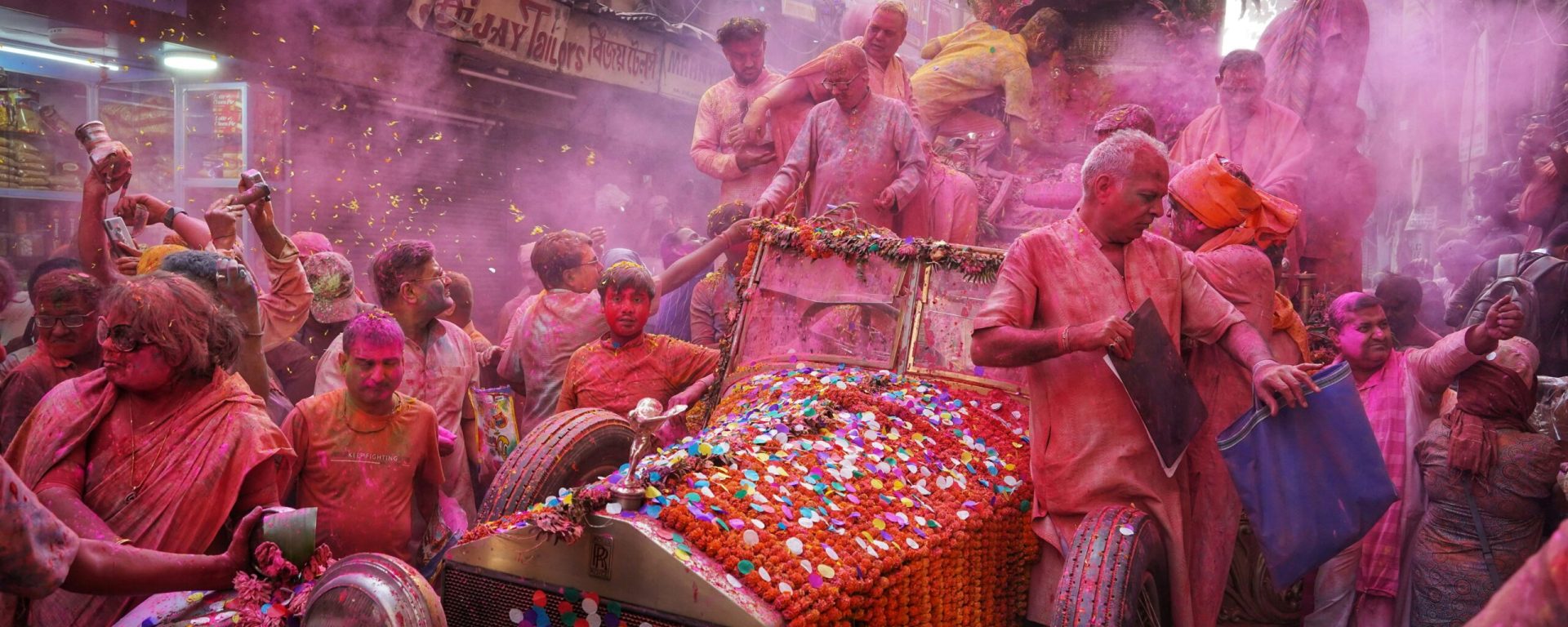
Similarly, Holi, the Festival of Colors, celebrates the arrival of spring and the triumph of love and joy. Participants throw colored powders, dance, and share festive foods, creating a vibrant and joyous atmosphere. Holi transcends barriers of caste, religion, and socioeconomic status, as people from diverse backgrounds come together to partake in the festivities. This communal aspect underscores the message of inclusivity and harmony, reinforcing the idea that festivals can serve as a unifying force amidst India’s diversity.
In addition to these well-known festivals, each region of India has its own local celebrations that reflect its unique customs and traditions. For instance, Onam is celebrated in Kerala as a harvest festival and signifies the homecoming of the legendary King Mahabali. The festivities include traditional boat races, flower arrangements, and an elaborate feast called Onam Sadhya, emphasizing the region’s agrarian roots and communal spirit. Such festivals not only preserve indigenous traditions but also promote local art forms and cuisine, ensuring that cultural heritage is transmitted across generations.
Moreover, festivals in India are intrinsically linked to spirituality and religion. They provide opportunities for individuals to express their faith and seek blessings. For example, Eid, celebrated by Muslims, involves communal prayers, feasting, and acts of charity, reinforcing the values of compassion and empathy. Similarly, the many forms of religious festivals—like Christmas, Pongal, and Navaratri—serve as reminders of the spiritual essence of life while promoting the importance of family, community, and tradition.
The economic impact of festivals is also noteworthy. They stimulate local economies through increased consumer spending on decorations, food, clothing, and gifts. In many regions, festivals attract tourists, contributing to the livelihoods of artisans and businesses. The production of handcrafted items and traditional attire, which often sees a surge in demand during these times, plays a crucial role in preserving traditional crafts and supporting local artisans. This economic activity, combined with cultural tourism, strengthens both local communities and the broader economy.
However, alongside the celebration, it is essential to recognize the challenges posed by modernity and globalization. As urbanization increases, traditional practices may face dilution, and the true spirit of festivals can become commercialized. Many communities are increasingly attuned to these shifts and are actively working to maintain the authenticity of their celebrations. Various grassroots movements aim to promote sustainable and local practices during festivals, urging people to prioritize community engagement over consumerism.
Festivals in India also offer a platform for social awareness and initiate dialogue around pressing issues. For example, during Ganesh Chaturthi, environmental organizations have taken initiatives to promote eco-friendly idols and sustainable practices to reduce the environmental impact of celebrations. Such movements leverage the attention garnered during festivals to encourage responsible behavior and community participation in addressing societal challenges.
In conclusion, festivals in India embody more than mere celebrations; they are fundamental to the nation’s identity and social fabric. They promote unity in an immensely diverse setting, fostering connections among people from various backgrounds. Festivals reflect the essence of Indian culture—a blend of spirituality, tradition, and community cohesion. As society continues to evolve, the significance of these festivals remains strong, highlighting their role in preserving cultural heritage, fostering social bonds, and driving economic benefits. By celebrating and participating in these vibrant traditions, the people of India not only honor their past but create a shared future filled with understanding and joy.
 COUNTRY SQUIRE INDIA
One thought on “The Significance of Festivals in Indian Culture”
Comments are closed.