

BY PAUL ISHERWOOD
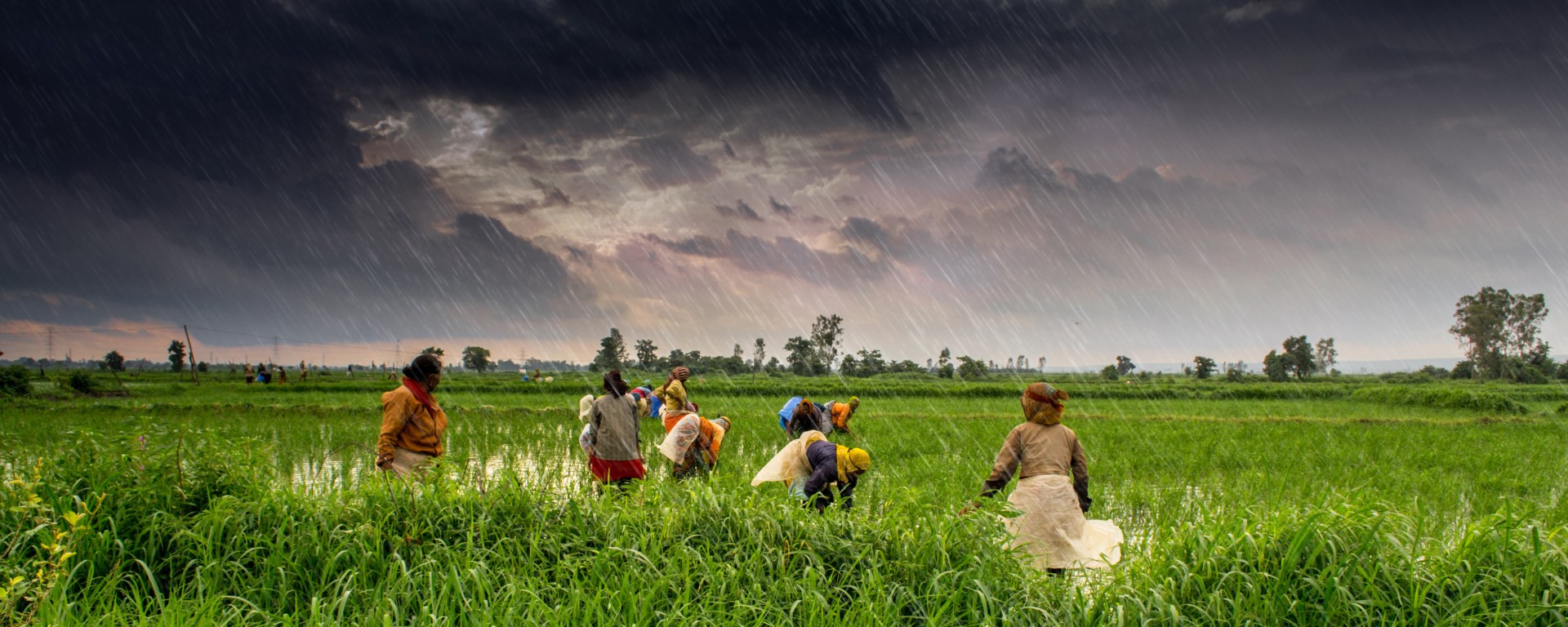
Farming has been a cornerstone of Indian civilization for millennia, with traditions that are closely interwoven with the culture and identity of the nation. Despite the rapid urbanisation and technological advancements, many rural communities continue to embrace traditional farming practices that promote sustainability and ecological balance.
The use of indigenous seeds and organic farming techniques is becoming increasingly popular among farmers who are seeking alternatives to chemical-dependent agriculture. Such practices not only preserve biodiversity but also enhance soil fertility and yield healthier produce. Farmers in states like Punjab and Haryana are experimenting with crop rotation and intercropping as strategies to combat the adverse effects of climate change.
Moreover, traditional knowledge regarding pest management, irrigation, and soil conservation is being revitalised through grassroots movements and community-based initiatives. The success of these efforts can be attributed to grassroots organisations that advocate for farmers’ rights while promoting sustainable agricultural practices.
Government policies are also beginning to recognise the importance of sustainable farming, offering incentives for organic practices and financial support for farmers transitioning away from chemical farming. As a result, there is a growing awareness of the need to protect traditional agricultural knowledge while embracing innovative solutions that address modern challenges.
Understanding and supporting traditional farming practices is crucial for sustaining India’s agricultural heritage. As consumers become more conscious of sustainable food choices, traditional farming methods are once again gaining recognition for their role in ensuring food security and environmental balance.
 COUNTRY SQUIRE INDIA
One thought on “Traditional Farming Practices: Sustaining India’s Agriculture”
Comments are closed.