

BY RITA PANANI
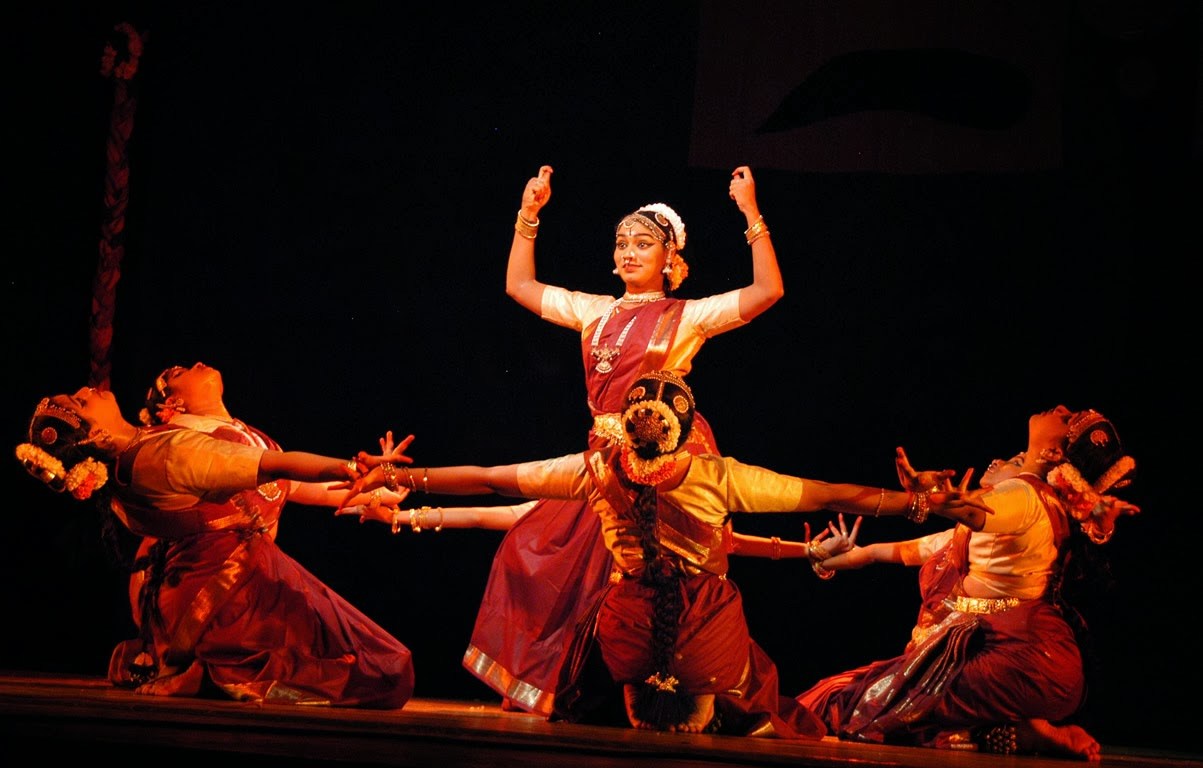
Indian theatre has undergone a significant transformation over the past few decades, evolving in response to changing societal norms and cultural dynamics. This resurgence is visible not only in urban centres but also in smaller towns, where local talent emerges, infusing traditional themes with contemporary issues. Drama has always been a vital part of Indian culture, with its roots tracing back to ancient texts like the Natya Shastra.
In recent years, plays focusing on gender issues, caste discrimination, and political corruption have gained popularity, capturing the attention of audiences and critics alike. The use of local languages, innovative storytelling techniques, and interdisciplinary art forms have enriched theatre, making it a powerful medium for social change. Many playwrights are blending traditional folk forms with modern narratives, offering a unique perspective on age-old customs.
Additionally, the rise of digital platforms has allowed for wider access to theatrical performances, breaking geographical barriers. Online streaming of plays and digital theatre festivals have created new opportunities for engagement and have encouraged collaborations across regions. This shift not only promotes local talent but also helps preserve traditional theatre practices while encouraging innovation.
The dramatic arts in India remain a vital reflection of society, providing a mirror to contemporary issues and utilising the power of storytelling to provoke thought and inspire change. As more individuals engage with theatre, there is hope that this rich cultural form will continue to thrive and evolve, remaining relevant in today’s increasingly complex world.
 COUNTRY SQUIRE INDIA