

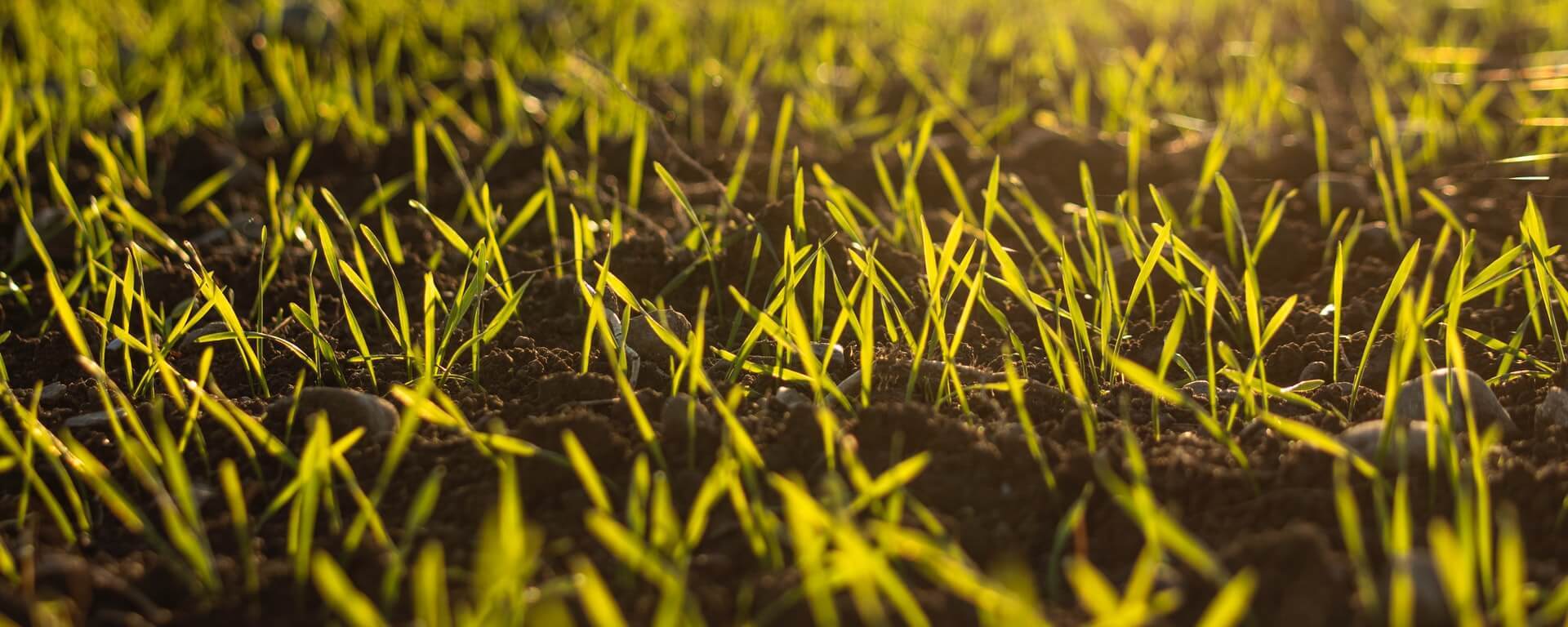
In recent years, regenerative agriculture has emerged as a transformative approach to farming in India, addressing not only productivity and economic viability but also the critical need for ecological restoration. This holistic method focuses on rejuvenating the soil, enhancing biodiversity, and promoting sustainable land use practices. As India grapples with the impacts of climate change and rapidly depleting natural resources, regenerative agriculture offers a powerful solution to restore the health of the land while meeting the nation’s food security needs.
Regenerative agriculture is built on practices designed to improve soil health, such as cover cropping, crop rotation, agroforestry, and integrated livestock management. By using these methods, farmers are able to nurture the soil microbiome, increase organic matter, and retain moisture, leading to improved crop resilience in the face of climate challenges such as drought and flooding. For instance, farmers in rain-fed regions of Maharashtra, where crop failures have become frequent due to erratic weather patterns, are increasingly turning to regenerative practices. These techniques enable them to maintain soil moisture, reducing their dependence on irrigation and helping them adapt to changing climate conditions.
One of the most significant benefits of regenerative agriculture is its emphasis on food diversity. Many Indian farmers have traditionally relied on monoculture practices, which have severely impacted soil health and increased vulnerability to pests and diseases. Regenerative agriculture encourages the diversification of crops, which not only enhances biodiversity but also creates a more resilient agro-ecosystem. This diversity can mitigate losses from extreme weather events, as different crop varieties might respond differently to stresses, ensuring a more consistent yield.
Moreover, the adoption of regenerative practices contributes to carbon sequestration—an essential factor in mitigating climate change. By improving soil health and enhancing plant growth, regenerative agriculture holds the potential to capture and store carbon dioxide from the atmosphere in the soil. This is critical for India, which is striving to meet its climate change commitments while supporting the livelihoods of millions of farmers. Initiatives aimed at promoting regenerative farming can help achieve these dual goals of increasing agricultural productivity and reducing greenhouse gas emissions.
In terms of community engagement, regenerative agriculture fosters a sense of collective responsibility among farmers. It encourages the formation of cooperatives and local groups that share knowledge, resources, and support systems. Farmers involved in regenerative practices often learn from one another, exchanging strategies that enhance both their yield and their ecological footprint. This communal approach strengthens bonds within rural communities, making it possible for farmers to face challenges together and advocate for policy changes that support sustainable practices.
Government involvement and support are crucial in scaling up regenerative agriculture in India. Policies that provide financial incentives, education, and access to resources for farmers transitioning from conventional methods can facilitate a smoother shift toward regenerative practices. Programs such as the Pradhan Mantri Krishi Sinchai Yojana (PMKSY), which aims to improve irrigation efficiency, can also be leveraged to support regenerative agriculture by ensuring that farmers have access to water management solutions that align with their sustainability goals.
However, the transition to regenerative practices is not without challenges. Farmers may initially face skepticism from peers and insecurity about the financial implications of changing longstanding practices. Additionally, access to knowledge and resources regarding regenerative agriculture can be limited, especially in rural areas where extension services are underfunded.
To address these challenges, numerous NGOs and agricultural extension programs are focused on educating farmers about the benefits and techniques of regenerative agriculture. Workshops, field demonstrations, and farmer-to-farmer networks are becoming increasingly common, allowing farmers to gain practical insight into how regenerative practices can be effectively implemented on their farms.
The recent Covid-19 pandemic has further underscored the importance of resilience in agricultural practices. As supply chains were disrupted, many farmers recognized the value of local markets and diverse cropping systems that can buffer against economic shocks. Regenerative agriculture supports this localized approach by promoting the cultivation of subsistence crops alongside cash crops, helping to ensure food security while providing income.
In conclusion, regenerative agriculture represents a vital pathway for Indian farmers as they aim to combat environmental challenges while ensuring food security and sustainable livelihoods. By focusing on soil health, biodiversity, and community resilience, regenerative practices offer a holistic solution that aligns with both ecological restoration and agricultural productivity. As India moves forward in addressing climate change and resource scarcity, embracing regenerative agriculture will not only enhance the health of the land but also empower farmers to thrive in a rapidly changing world. With continued support and collaboration among farmers, government, and NGOs, regenerative agriculture has the potential to transform Indian agriculture into a model of sustainability and resilience for generations to come.
 COUNTRY SQUIRE INDIA