

BY RUCHIRA GHOSH
Dance is an integral part of human life, no matter which part of the globe we may be in. Dance infuses rhythm, discipline, and harmony into our lives. Moreover, its entertainment and recreational value is immeasurable. Here is a sequel to the article on Indian classical dances published a few weeks earlier.
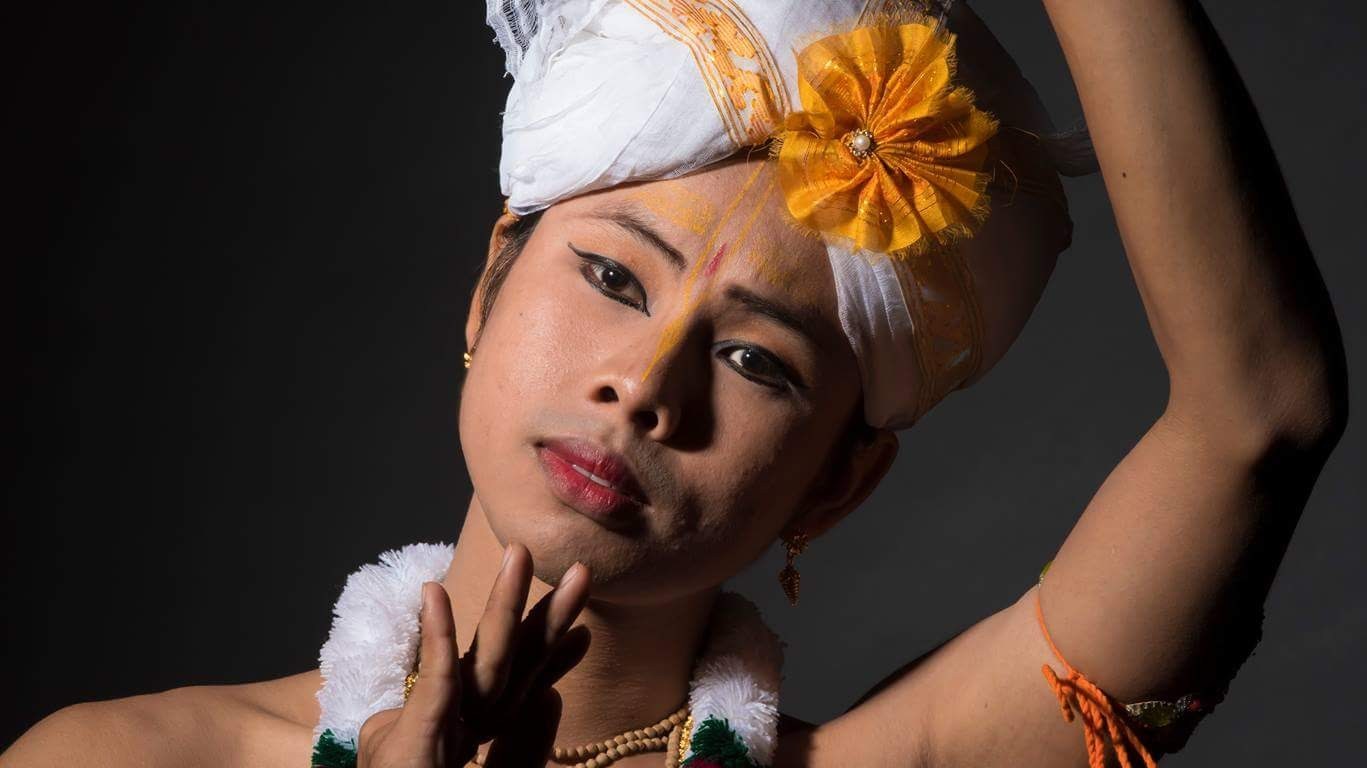
Dr. Yumlembam Bidyananda is an exponent of the Manipuri style of Indian classical dance. An Assistant Professor at Manipur International University (a private institute) in Imphal, Manipur, he also doubles as a home tutor. But that’s not all. He has choreographed several dance shows; currently, he has his fingers in a few Manipuri Classical Recitals.
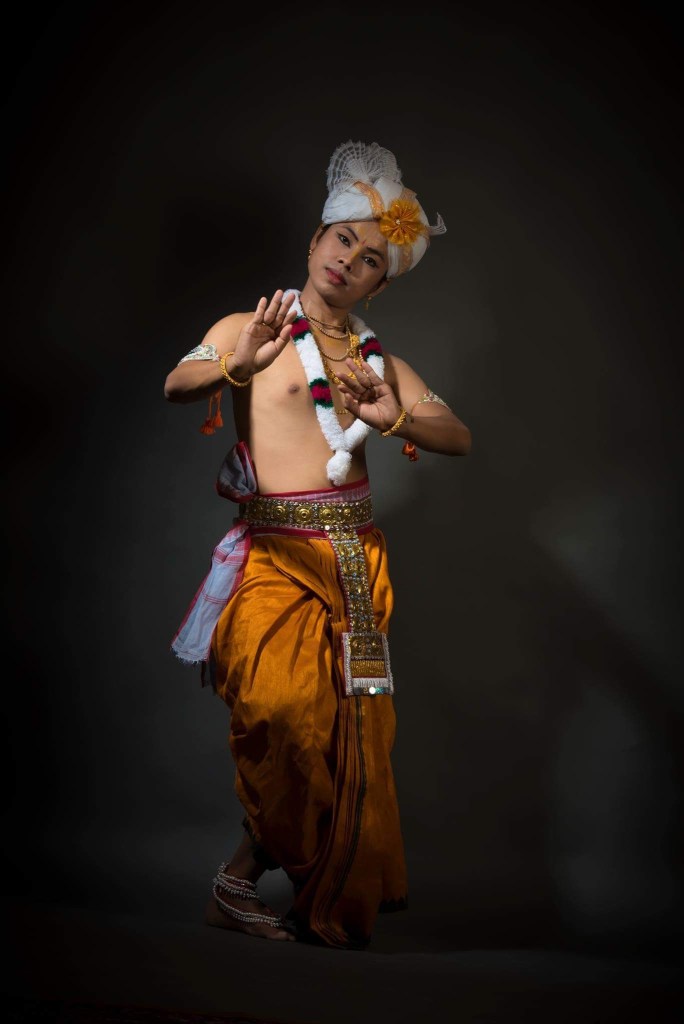
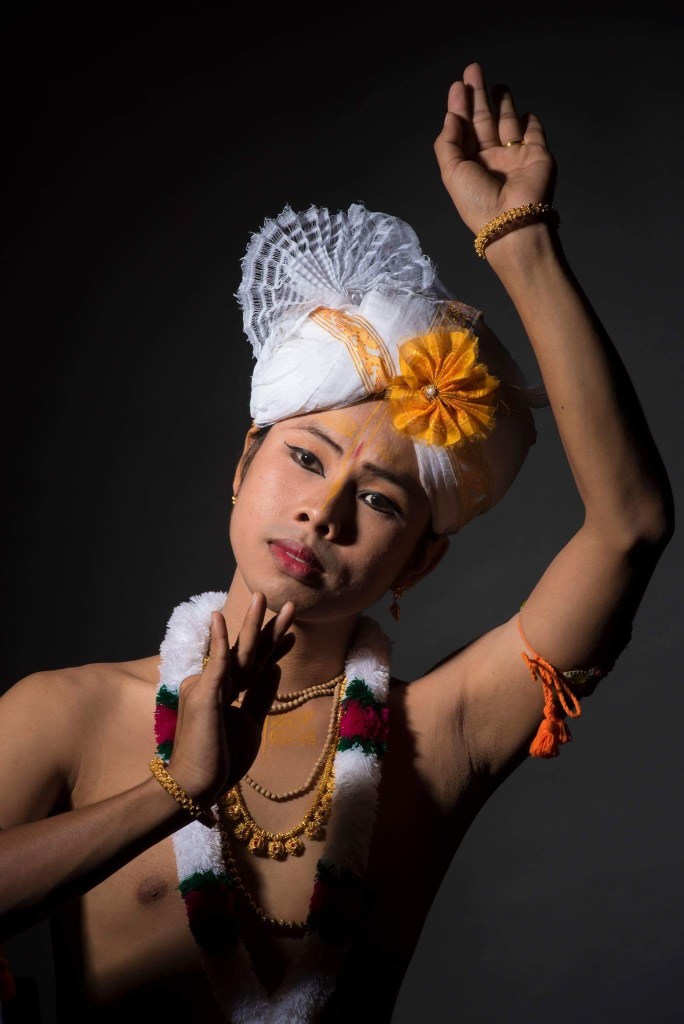
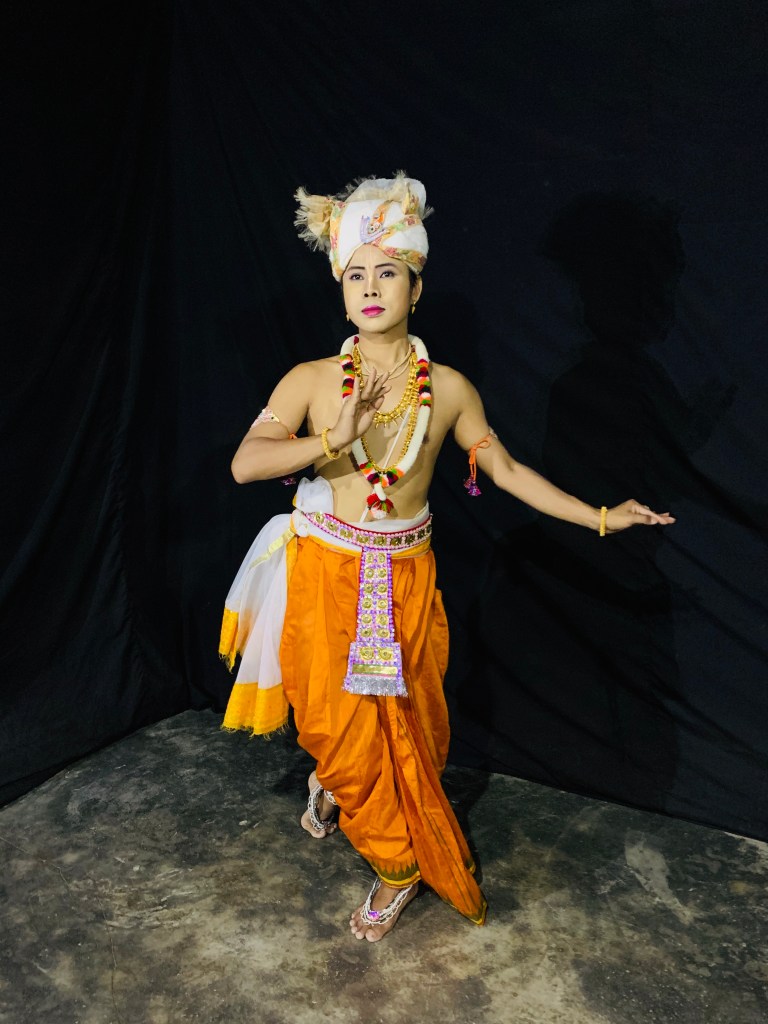
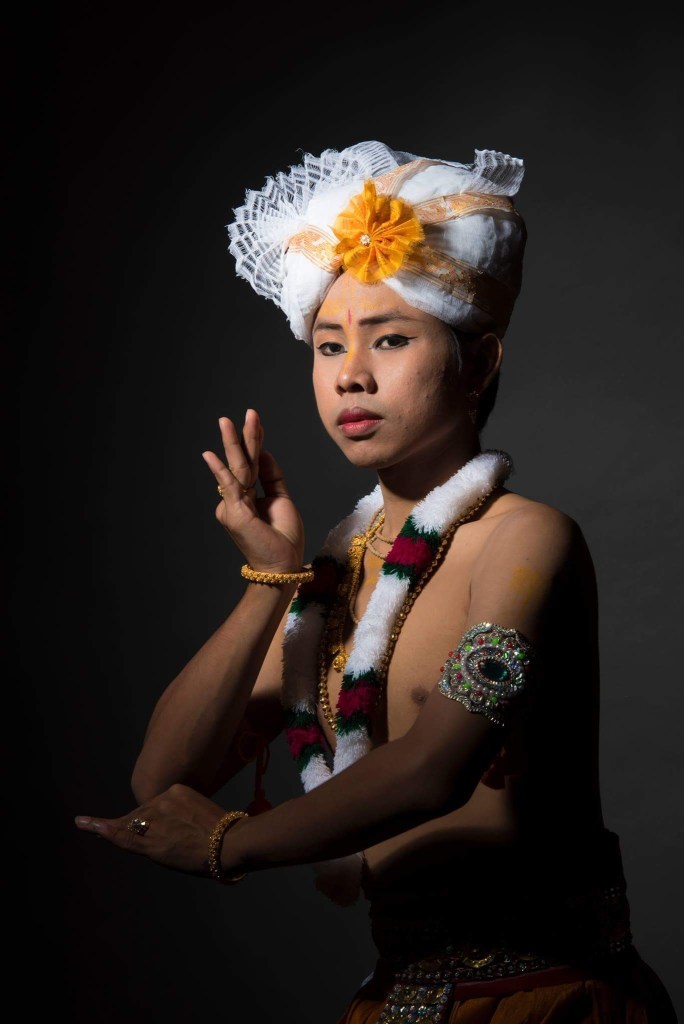
Although dance and music were in his blood, his parents, both engineers, tried their hardest to dissuade him from dance and make an engineer out of him. However, encouragement came from two of his great aunts, Padmashri Yumlembam Gambhini and Sangeet Natak Akademi awardee Yumlembam Ranjana, who were renowned dancers. The duo ensured the young lad maintained his passion for dance. Bowing to his parents’ wishes, Bidyananda completed his high school studies in the science stream. Then he made a volte-face, switching over to arts.
By a stroke of good luck, he got into Visva Bharati Santiniketan, where he graduated and completed his Master’s and PhD in Manipuri Dance. He recalls, “My journey had a rough start with rejections from my parents and failure in finding a Guru to teach me. (laughs). Many eminent gurus rejected me because, for them, a ‘boy interested in dance’ was a ridiculous idea.” He adds after a pause, “Actually, I got my inspiration from my school activities at Maria Montessori School, my alma mater. I remember how, during a Hindi class, we were taught to love our passion and pursue the field we love. This struck my soul. I resolved to follow my cherished desire, my love of dance.” Since then, there has been no looking back.
Why Manipuri? Was it the only option available? I ask.
Says the youth, “Well, Manipur being a north-eastern state with its rich art and culture, there is less influence of other dance forms. Locals, therefore, usually choose Manipuri dance as a career. I might have been dancing in other forms if we had had exposure to them.”
We move on to his training and interaction with gurus, his first performance, etc. Bidyananda’s first-ever public performance was at a local temple near the home of an aunt, named Pishum Oinam Leikai. “The dear lady made flawless arrangements for me and my sister. We had a dual performance depicting Khamba and Thoibi, leading characters of the famous epic story of Moirang Kangleirol. But then I was a little child and hardly remember anything,” he says.
His first-ever dance tour outside Manipur was at Visakhapatnam in 2006 under the guidance of his school art teacher, who was an alumnus of Visva Bharati Santiniketan. During his stint at Visva Bharati Santiniketan, he received the National Scholarship for Young Artistes while training under Prof. Konjengbam Sunita Devi. He completed his PhD guided by Prof. Yaikhom Hemanta Kumar. He also mastered stage presentation techniques under Sangeet Natak Akademi Awardee Smt. Nongthombam Amusana Devi.
About his memorable performances, Bidyananda reminisces, “After my temple debut, my later journey to South Korea with my Professor Yaikhom Hemanta Kumar was memorable too. As a father figure in my dance career, he taught me a lot. Moreover, as South Korea was a ‘dream destination’ in terms of culture and arts, my participation in that particular event will remain etched in my psyche.”
As for recognition and awards, his earliest stage performance was at a competition on “Krishna Avishar” (the divine tryst), for which he bagged a 3rd prize. His premier award was “Kala Jeeva Purushkar,” bestowed by Vishakha School of Arts (Visakhapatnam, Andhra Pradesh) in 2006.
His take on the sacred Guru-Shishya Parampara? Bidyananda reveals, “I stayed in my Guru’s apartment for 8 years. This helped me to get a thorough understanding of his working style and his attitude towards life and dance. I never paid for my basic expenses. Rather, I helped him with daily chores or fetching groceries. After my father’s demise, I returned to my Guru’s home depressed and downcast. I wouldn’t have been able to lead a normal life if it weren’t for my Guru. In his presence, I hardly felt my father’s absence.” Nowadays, Guru-Shishya Parampara is hard to find, he laments. “The teacher-pupil relationship is becoming more corporate and less traditional. Students go to classes on certain days at a particular time and pay fees to the teachers as per arrangement. This results in lesser connectivity between the two. It’s incorrect to blame either; the modern lifestyle is the real culprit,” he sighs.
I pose another question: What is the future of classical dances in India?
After a pause, the artiste quips, “With the new education policy NEP 2020, various art education and skill developments have been incorporated into the education system. Commendable. But to be a ‘proper’ dancer, mere academic achievement is inadequate. One must go in for a few years of rigorous traditional learning too. Also, with an increasing number of students performing classical dance after taking online classes or through social media, it’s obvious that respect for traditions is on a downslide. Talking about Western influences, fusion, et al… it’s good to try out new things, but we shouldn’t be mixing things that are not meant to be mixed. I mean, milk with honey or milk with coffee/tea tastes good, but milk with oil doesn’t. It’s best to stick to one form at a time. If you want to experiment, you should have proper knowledge of both types for a good outcome.”
Before signing off, I want to know, what is dance to this youth? Pat comes the rejoinder, “Dance to me is the oxygen I breathe in. No matter where I am, I have this tendency to dance. It’s a great stress buster. I could never imagine a day without movement of any kind. I dance while talking or walking. My day begins with dance and ends with it. I love ‘dance’ and aspire to explore more of it…”
 COUNTRY SQUIRE INDIA