

BY DOMINIC WIGHTMAN
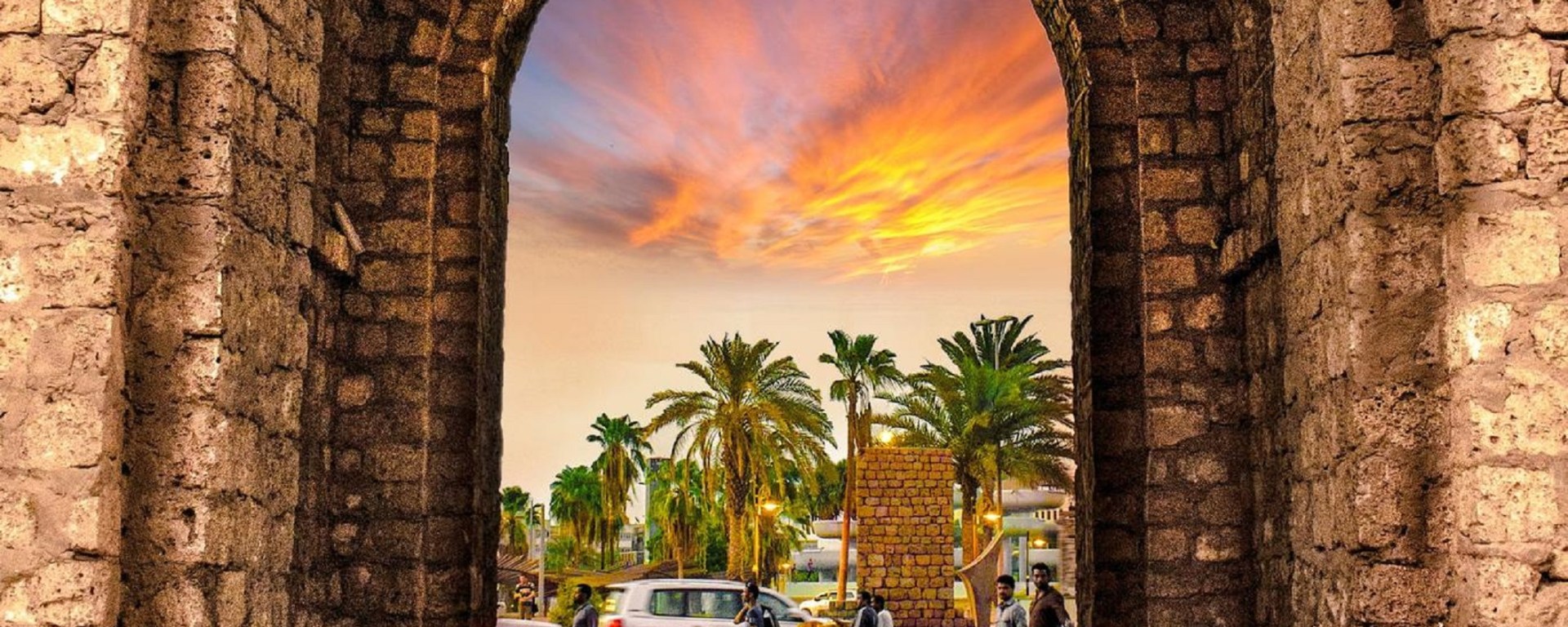
The sun sets over the Red Sea near Jeddah, casting long shadows and painting the sky in hues of gold and crimson. As I stand here, an Englishman far from home, I feel the winds of change blowing through this ancient port city.
This land, known best for its vast oil reserves, is now at an intersection, advancing towards a future driven by technology and innovation.
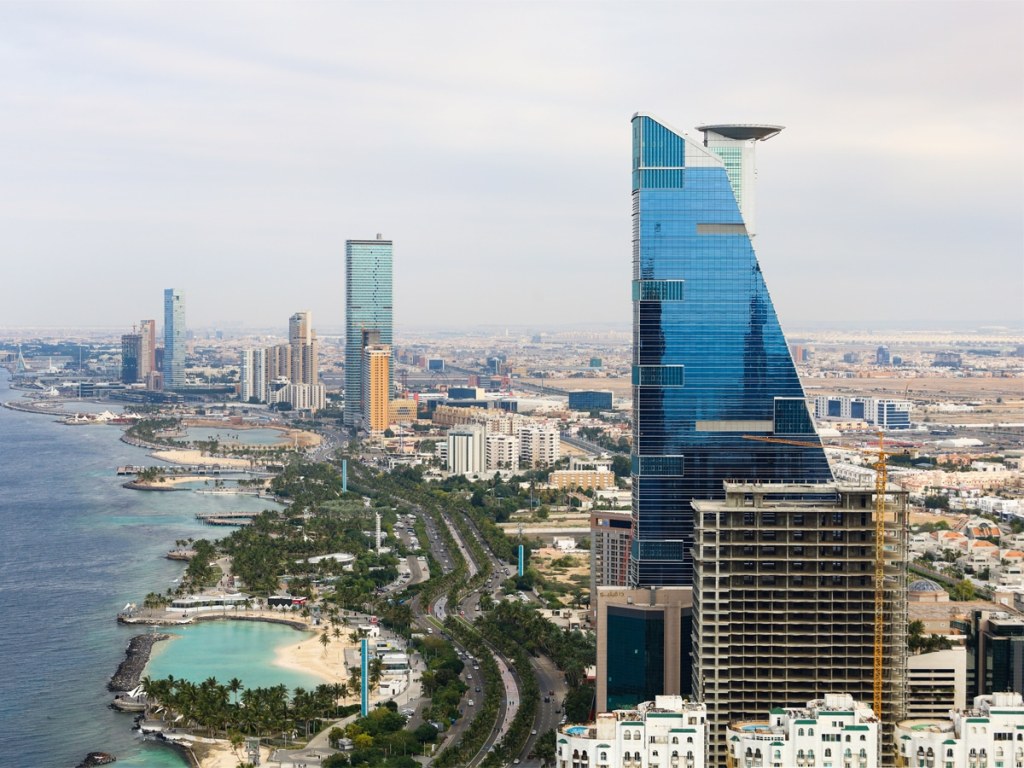
The waves lapping at the shore knew ancient traders and maritime adventurers, yet the skyline of Jeddah now tells a different tale. Skyscrapers rise like gleaming sentinels, symbols of ambition and the new, Western faith. It is here, amidst this juxtaposition of old and new, that the soul of Saudi Arabia is being reborn.
Yesterday evening, in a bustling café filled with the hum of conversation and the aroma of cardamom-laced coffee, I spoke with a young Saudi woman – the daughter of an old friend – who epitomises the new face of her country. Educated abroad, fluent in multiple languages, she works at a tech start-up developing AI solutions. “We are not just oil,” she says, her eyes bright with determination. “We have dreams, we have potential.”
Her words echo the sentiments of Vision 2030, the ambitious plan spearheaded by Crown Prince Mohammed bin Salman. This blueprint aims to reduce the kingdom’s dependency on oil, diversify its economy, and develop sectors such as health, education, infrastructure, recreation, and tourism. The cityscape of Jeddah, with its blend of futuristic architecture and traditional markets, stands as a testament to these aspirations.
Strolling through the King Abdullah Economic City, I see the future taking shape. Glass towers pierce the sky, reflecting the relentless sun and the unyielding drive of a nation in transformation. Tech companies, financial institutions, and innovation hubs buzz with activity.
The energy is palpable, a stark contrast to the serene, timeless quality of the Red Sea waves.
The modernisation of Saudi Arabia is not without its convolutions. The rapid changes spark debates and discussions, blending hope with scepticism. In the cool evening air, I converse with an elder who has witnessed the kingdom’s evolution over decades. “Change is necessary,” he muses, his voice gravelly with age, “but it must be balanced with our traditions and values. We cannot forget who we are in the pursuit of who we want to become.”
The kingdom is walking a tightrope, navigating between progress and preservation, innovation and tradition. The reforms, including allowing women to drive and promoting tourism, are monumental strides forward. Yet, there is a cautious optimism, a recognition that the journey is as important as the destination.
In the outskirts of Jeddah, away from the bustling city, I visited a technology park rising from the desert sands. It is a landscape of contrasts—modern buildings equipped with cutting-edge facilities juxtaposed against the timeless desert. Here, young Saudis, men and women alike, collaborate on projects ranging from renewable energy solutions to advanced robotics. The air is thick with creativity and the scent of possibility. Funding is abundant; the millions as ubiquitous as the sands.

I meet AbdulAziz, a young engineer working on solar power innovations. His excitement is contagious as he explains how they are harnessing the abundant sunlight to create sustainable energy solutions. “The desert,” he says with a smile, “which once seemed barren, is now our greatest asset. We are turning it into a source of life and power.”
AbdulAziz was trained to say this. But his optimism is mirrored in the eyes of many I chat with. There is a collective consciousness, a sense of shared destiny that permeates the atmosphere. It is as if the very sands of Saudi Arabia are shifting, aligning with the vision of a prosperous and diversified future.
In the tranquil moments of dawn and dusk, when the desert is bathed in soft light, I reflect on this place. The kingdom stands at the threshold of a new era, its eyes set firmly on the horizon. The transition from oil to technology is not merely an economic shift; it is a renaissance of spirit and identity.
As I prepare to leave Jeddah, the city a glittering beacon in the distance, I feel a profound sense of witnessing history in the making. Saudi Arabia’s transformation is a tale of ambition, resilience, and vision. It is a story unfolding in the heart of the desert, where ancient sands meet the winds of change; a future crafted as vast and boundless as the Arabian sky. What can stop the inevitable? These days even the most distressed capital – years of oil payments stuffed away on grey screens and often misused by Western banks – is finding a way to breathe.
Saudi Arabia is not just metamorphosing; it is evolving, embracing a future where the spirit of innovation and the essence of tradition may, as many hope and pray, coexist in harmony.
Dominic Wightman is the Editor of Country Squire Magazine UK.
 COUNTRY SQUIRE INDIA