


BY RUCHIRA GHOSH
On the occasion of International Women’s Day, the 8th of March, it would be highly appropriate to take a retrospective look at Feminism and Liberalism in the context of Indian Women. In this context I firmly believe that my countrymen owe a lot to our erstwhile Colonial rulers.
Innumerable hardcore chauvinistic Indians feel proud of and boast about India being one of the most ancient civilizations that flourished upon this planet. Happily, many of them tend to overlook the malaise and evil practices that have plagued the women in our society for centuries. A diabolic practice – call it heinous – was what Hindu fundamentalists, historians and Indologists define as Suttee (Sati). My blood boils (I am sure others too feel likewise) when I wonder about when and why and how it originated.
As is well known the renowned scholar and humanist Raja Ram Mohan Roy succeeded in persuading Lord William Bentinck, the first governor general of British-ruled India, to legally ban this custom. December 1829 was therefore a milestone in the history of Indian womanhood. This was the beginning of the Renaissance that transmogrified the lives of teeming millions of Indian Eves.
Barely three decades down the line, another magnanimous-humanist-scholar, Ishwar Chandra Vidyasagar appeared, meteor-like, on the prevailing social scenario to champion the cause of downtrodden and oppressed women.
An advocate of women’s education, Vidyasagar believed that education and knowledge was the only way for women to break free from the shackles of social oppression. A well-established government office holder and profound scholar that he was (the British hailed him as Pundit), he lobbied hard for opening of schools for girls and even outlined a suitable curriculum for them. After a good deal of hiccups, Vidyasagar managed to open 35 schools for women throughout Bengal and eventually enlisted about 1300 students. Next he established “Nari Siksha Bhandar”, a fund to sponsor the cause of women’s welfare and upliftment. Another spectacular achievement was joining hands with J.E.D Bethune (the English educationist mathematician, lawyer, and member of Governor General’s Council of Ministers) to set up the first permanent girls’ school in India, the Bethune School, on May 7, 1849. This pioneering educational institute enjoys pride of place till now. Vidyasagar was vociferous about the plight of women in contemporary society especially the pre-teen and teenage widows, who were denied basic pleasures of life, and ostracized. When Vidyasagar determined to ameliorate the condition of these hapless women, he faced vehement opposition from orthodox society. By means of his in-depth research of the sacred scriptures he proved that widow remarriage is sanctioned by Vedic scriptures. Undaunted he appealed to the British Authorities. July 26, 1856, was another red-letter day in the annals of Indian history when the Hindu Widows’ Remarriage Act, 1856 or Act XV, 1856, was passed. He went ahead to fix matches for young widows. To lead from the front, he married off his only son to a widow.
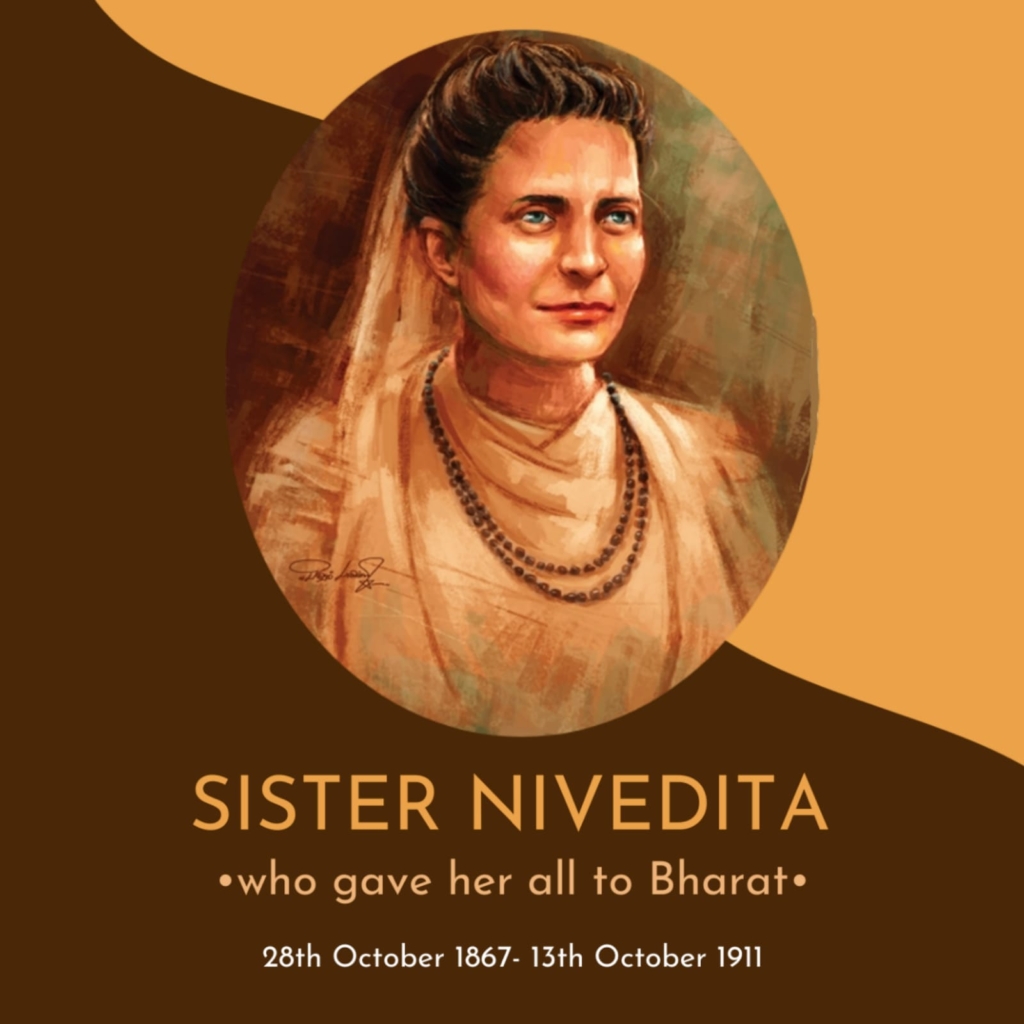
It would be unpardonable not to mention the invaluable contributions of Sister Nivedita (aka Margaret Noble) the zealous, impassioned Anglo-Irish spiritual seeker-turned-social reformer – and women’s activist who rendered yeomen’s service to the women of Bengal in that era. She endeavoured wholeheartedly tirelessly to bring sunshine into the darkened lives of the females, awaken them to knowledge, education, wisdom and overall well-being.
 COUNTRY SQUIRE INDIA